The short version
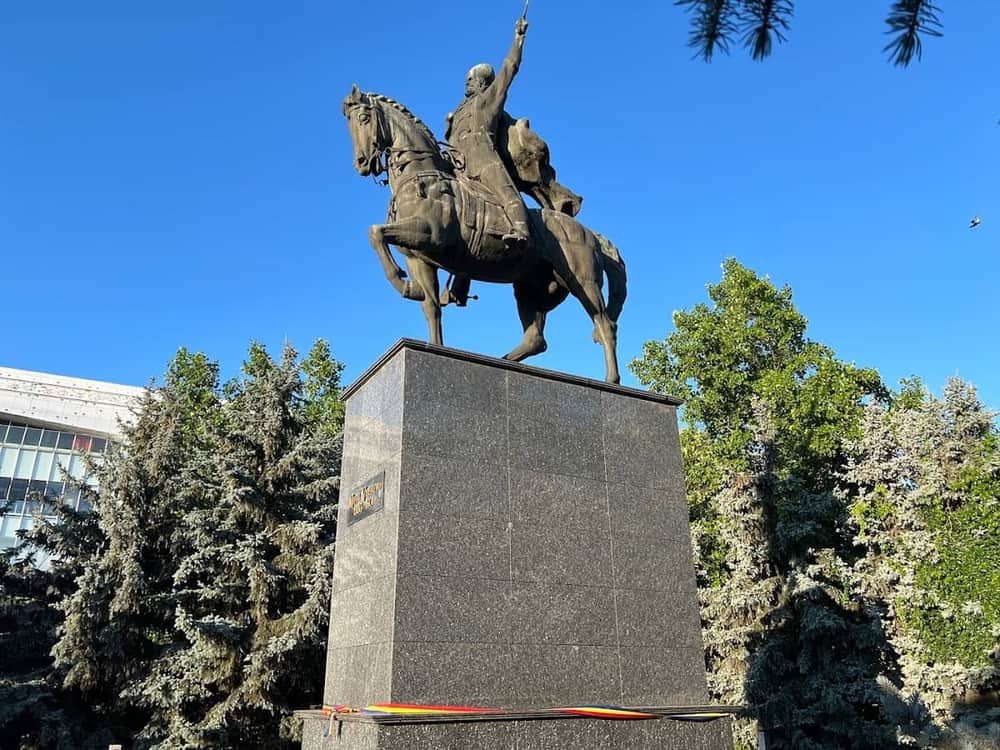
The equestrian statue in the middle of Craiova is not a generic national hero dropped into a provincial square. Mihai Viteazul — Michael the Brave — held the office of Great Ban of Craiova in 1593, and took the throne of Wallachia in September of that same year.
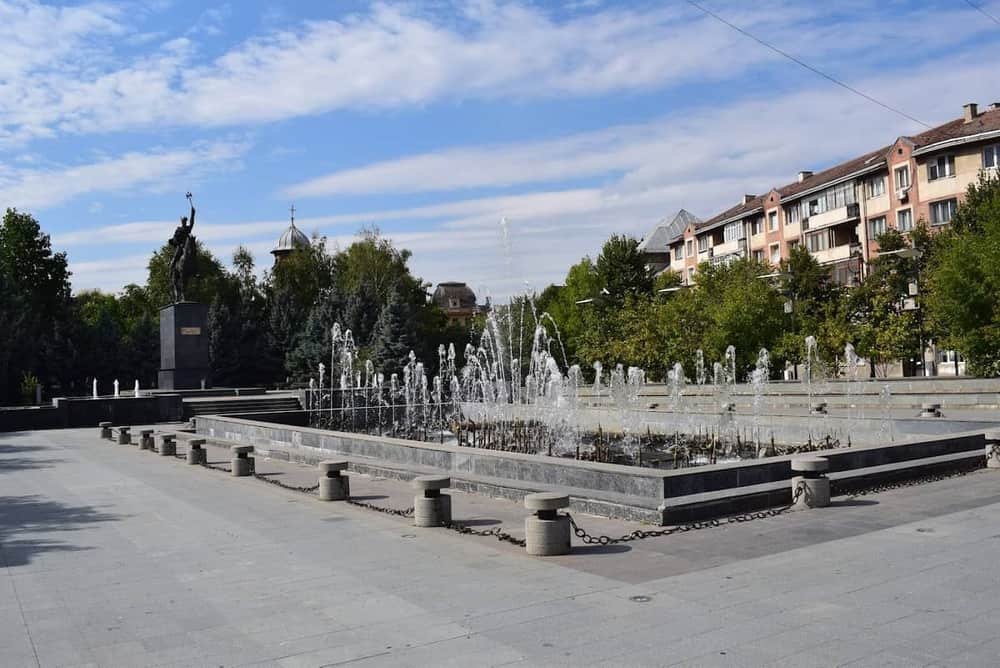
Craiova is where his power base was. The square is Piața Mihai Viteazul; the statue is there; and the city treats both as its centre, which they are.
The career, in the order it happened
He did not arrive at the top. He climbed a specific ladder of offices, and the Craiova post is the last rung before the throne:
| Office | Note |
|---|---|
| Ban of Mehedinți | the western frontier county |
| Great Stolnic | court office |
| Great Postelnic | court office |
| Great Ban of Craiova | 1593 |
| Prince of Wallachia | from September 1593, until 1601 |
Places in this piece
Who backed him
Powerful boyar families — the Buzești above all, and the Cantacuzino — together with the Transylvanian prince Sigismund Báthory.
The Buzești were an Oltenian family. That is the connection worth holding on to: Michael's rise was underwritten by the landed power of this region, operating through the office seated in this city. Craiova is not incidental to the story; it is the machine that produced it.
Why a statue here, and why this big
Because the city has an actual claim, unlike most places that put up a Michael the Brave.
He is a national figure — the ruler who briefly held Wallachia, Transylvania and Moldavia together in 1600, and who was killed by mercenaries in 1601. Statues of him exist across Romania. Craiova's is different in kind: it stands on the square named for the office he held, in the city where he held it.
That is why the square works as a centre. It is not a roundabout with a decoration. See what to see in Craiova for how the rest of the centre arranges itself around it.
What is actually there now
The square is the city's main civic space and the site of most of what happens outdoors:
- The Christmas market takes it over from mid-November. It is the single busiest thing that happens in Craiova all year.
- Zilele Craiovei and most civic events use it.
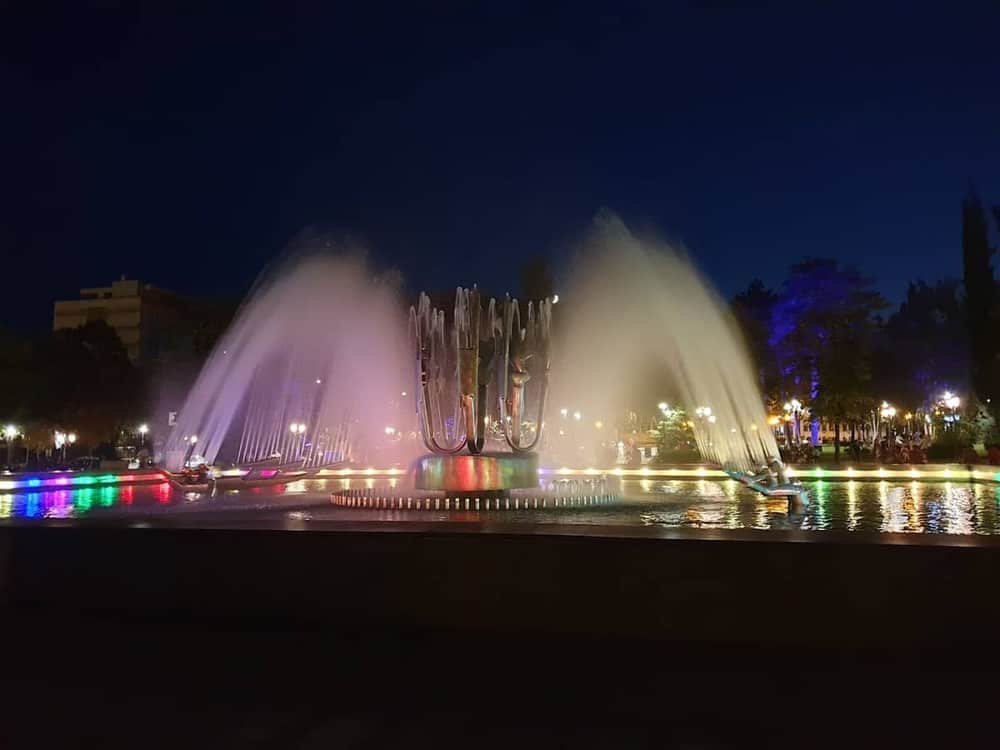
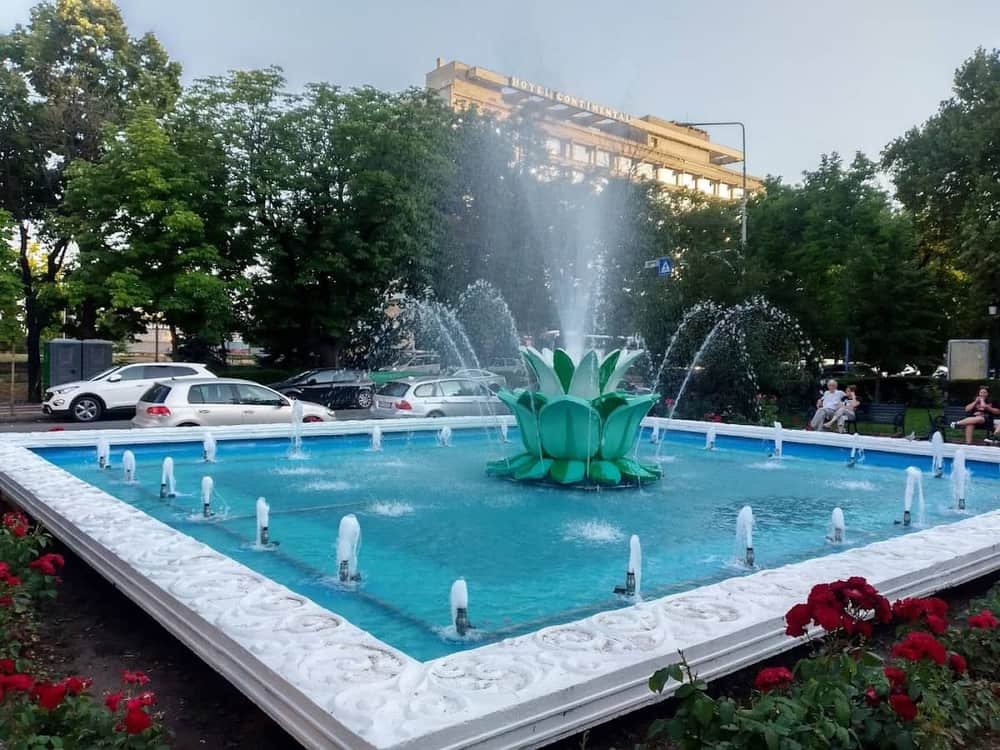
- The fountains. The kinetic fountain and the artesian fountain are nearby and are a large part of why people linger.
- The Administrative Palace anchors one side — see the palaces.
Where to stay nearby
Live prices and availability on a map centred on this exact spot — hotels, apartments and hostels, so you can judge the walk from here rather than guess from an address.
Bookings made through this map earn us a commission. Your price is unaffected.
The thing visitors miss
Most people photograph the statue and move on down Calea Unirii. That is not wrong, but it skips the point.
Stand still and look at what surrounds the square. The administrative palace, the pedestrian axis, the churches a few streets off, and the market space are the four functions of a Wallachian regional capital, still arranged in the same relationship. Craiova did not grow into this shape by accident, and the square is where the shape is legible.
Why 1593 keeps being the date
Two things happened in the same year, and the order matters. He became Great Ban of Craiova, and then he became prince. Not the reverse.
That sequence is the argument for taking the Craiova post seriously rather than as a line in a biography. The office came with the revenues of Oltenia and the loyalty of its boyars, and a candidate for the Wallachian throne needed both. The throne was contested, expensive and underwritten by external patrons; the Ban's position was the asset that made him a plausible candidate in the first place.
The honest caveat about legend
Michael the Brave attracts more legend than almost any figure in Romanian history, and a good deal of what circulates about his Craiova years is story rather than record.
We have stuck to what the sources support: the sequence of offices, the 1593 Ban appointment, the September 1593 accession, the backers, and the 1601 assassination. Where you encounter a vivid anecdote about him in this city, treat it as folklore unless it comes with a citation — it usually is folklore, and it is usually better than the truth, which is why it survives.
Further reading on this site
The Ban and the money of Oltenia for the office itself, which is the real subject. The history of Craiova for the long frame, the palaces for the city that grew on top of it, and statues and monuments for the rest of the city's public sculpture.
*Dates and offices here follow encyclopaedic and Romanian press sources; reviewed as a source set in October 2026. Anecdote has been left out where it could not be sourced.*