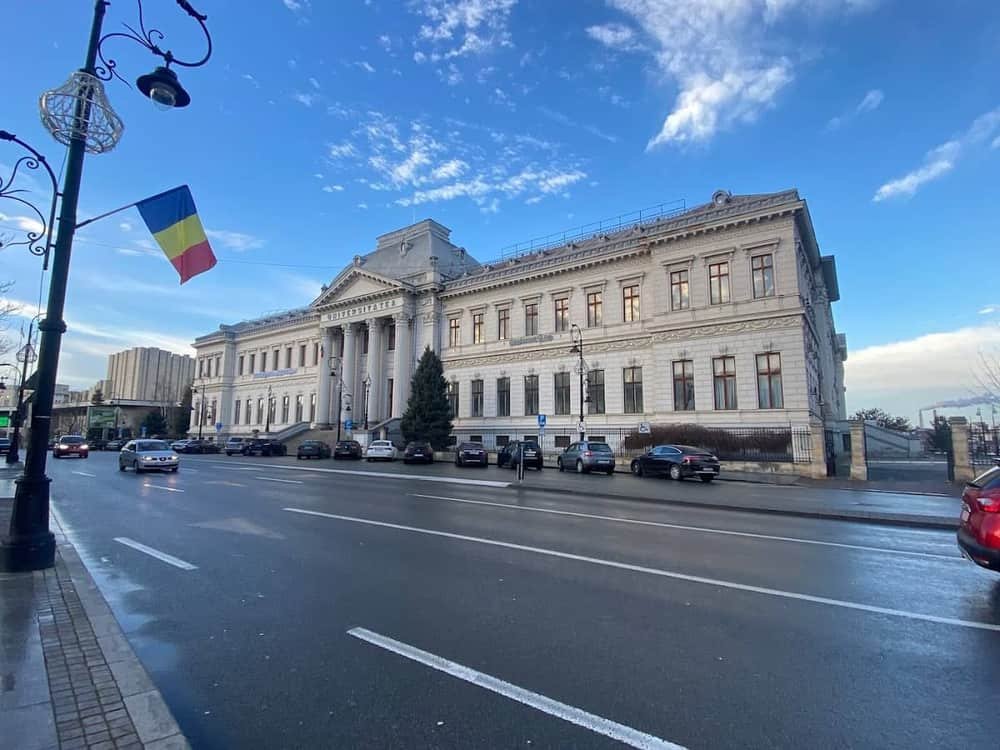
The short version
Craiova is the capital of a region it does not contain. Oltenia is five counties; Craiova is in one of them. Everything a visitor comes to Oltenia for — the Brâncuși ensemble, Horezu, Tismana, the Transalpina, the cave at Baia de Fier — is somewhere else, between one and two and a half hours away.
Understanding that relationship is the single most useful planning fact for a trip here, and almost nobody explains it before you arrive.
The five counties
| County | Seat | What it has |
|---|---|---|
| Dolj | Craiova | the city, the palaces, the museums |
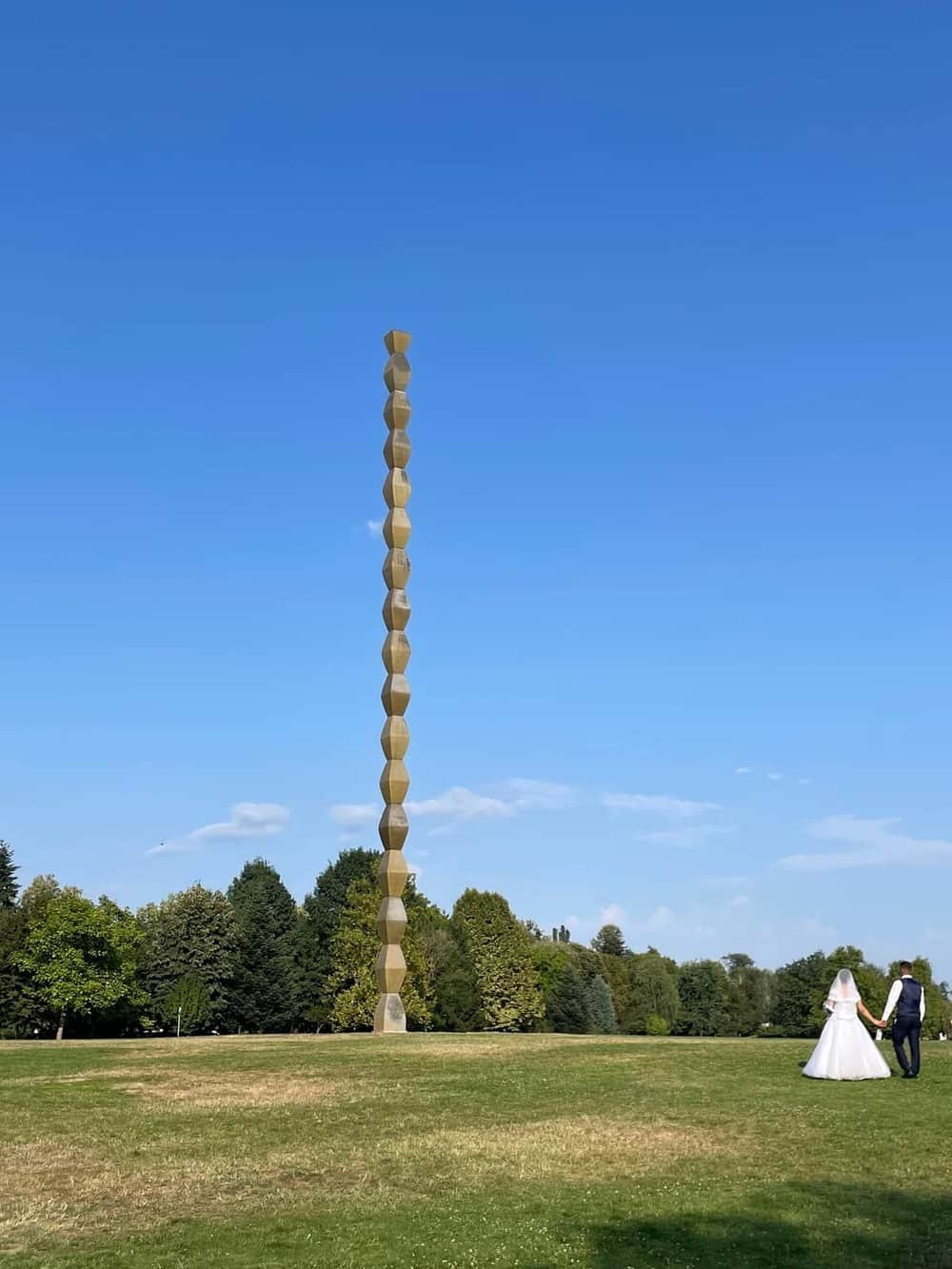
| Gorj | Târgu Jiu | the Brâncuși ensemble, Tismana, Rânca |
| Vâlcea | Râmnicu Vâlcea | Horezu, the monasteries, the spa towns |
| Mehedinți | Drobeta-Turnu Severin | the Iron Gates, Trajan's bridge remains |
| Olt | Slatina | the river that names the region |
The region is named for the Olt, which forms its eastern boundary. The Oltenia pages treat each destination individually, with distances measured and dated.
Why the capital is in the flat part
Because capitals follow money and administration, not scenery.
The wealth was in the plain — grain, and the Danube trade that moved it. The administrative office, the Bănie, was seated here: the Ban and the money of Oltenia explains why that made Craiova the regional centre, and Michael the Brave is the clearest demonstration of how much that office was worth.
The hills in the north were poorer, harder to administer and further from the river. They are now the beautiful part, which is the usual historical joke.
What this means practically
You cannot see Oltenia from Craiova without a vehicle.
That is the blunt version and it is worth hearing early. Public transport between the county seats exists; public transport to a monastery, a cave or a mountain road largely does not. Car hire changes a trip here more than it would in most Romanian cities.
- Day trips are 60–130 km each way. Oltenia in three days is built around exactly that.
- Pick one direction per day. North-west for Gorj, north-east for Vâlcea, west for Mehedinți, south for the Danube. Combining two directions in a day is the most common planning error visitors make.
- Craiova is a good base. Central, well connected, and with the region's best hotel and restaurant stock — see where to stay and where to eat.
Where to stay nearby
Live prices and availability on a map centred on this exact spot — hotels, apartments and hostels, so you can judge the walk from here rather than guess from an address.
Bookings made through this map earn us a commission. Your price is unaffected.
The relationship, from the inside
Regional capitals are rarely loved by their regions, and Craiova is no exception. Gorj and Vâlcea have their own identities, their own economies and a certain resistance to being treated as Craiova's hinterland.
What is genuinely shared is the speech — the Oltenian simple past runs across all five counties and is the real marker of the region — along with the food, the crafts, and the way outsiders see the place.
The one-hour rule, and what it costs you
Almost every Oltenian highlight sits in a band roughly an hour and a half from Craiova. That is close enough to be a day trip and far enough that the day trip eats the day.
Work it through honestly. Ninety minutes out, ninety minutes back, and three to four hours actually somewhere, is a ten-hour day that uses most of your daylight in winter. Two such days in a row is a driving holiday, not a city break — and visitors who try to do four of them from a Craiova hotel generally report that they saw a lot of road.
Craiova versus the alternatives
If you are deciding where to base yourself, the honest comparison:
- Craiova — best beds, best food, best evening, a real city. Furthest from the mountains.
- Târgu Jiu — on top of the Brâncuși ensemble, much smaller, much less to do after dark.
- Râmnicu Vâlcea — closest to the monasteries and the spa belt, good for a northern-focused trip.
For a first visit covering the region's highlights, Craiova wins on everything except driving time. See Craiova or Sibiu and Craiova or Timișoara for comparisons further afield.
Further reading on this site
The Oltenia pages for every destination with a measured distance. Oltenia in three days and Oltenia with children for itineraries. The geography of Craiova for why the city sits where it does.
*Distances referred to on this page are measured and dated on the Oltenia destination pages rather than estimated here. Reviewed October 2026.*