
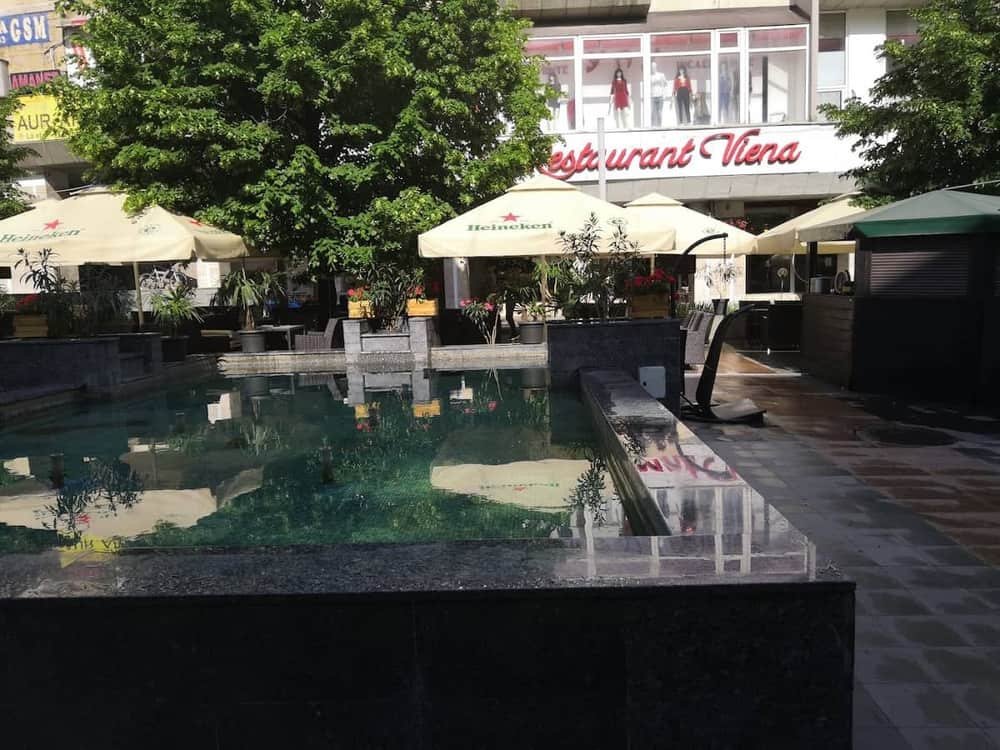
The one everybody misses
Calea Unirii first thing in the morning, and look at first-floor level.
The ground floors have been shop-fronted for a century and tell you nothing. The storeys above them are an intact run of Belle Époque façades built within a single generation, between roughly 1880 and 1914, when Oltenia's landowners got rich on grain and spent it on French architects. Belle Époque Craiova explains what you are looking at.
Why early. The street is pedestrianised, so at eight in the morning it is genuinely empty, and the light comes low along it rather than down onto it. By eleven it is a different and much worse photograph.
The enemy is fog, not rain. Low cloud sits in the Jiu valley for days in winter and flattens exactly this. Craiova in winter and the weather page.
The square
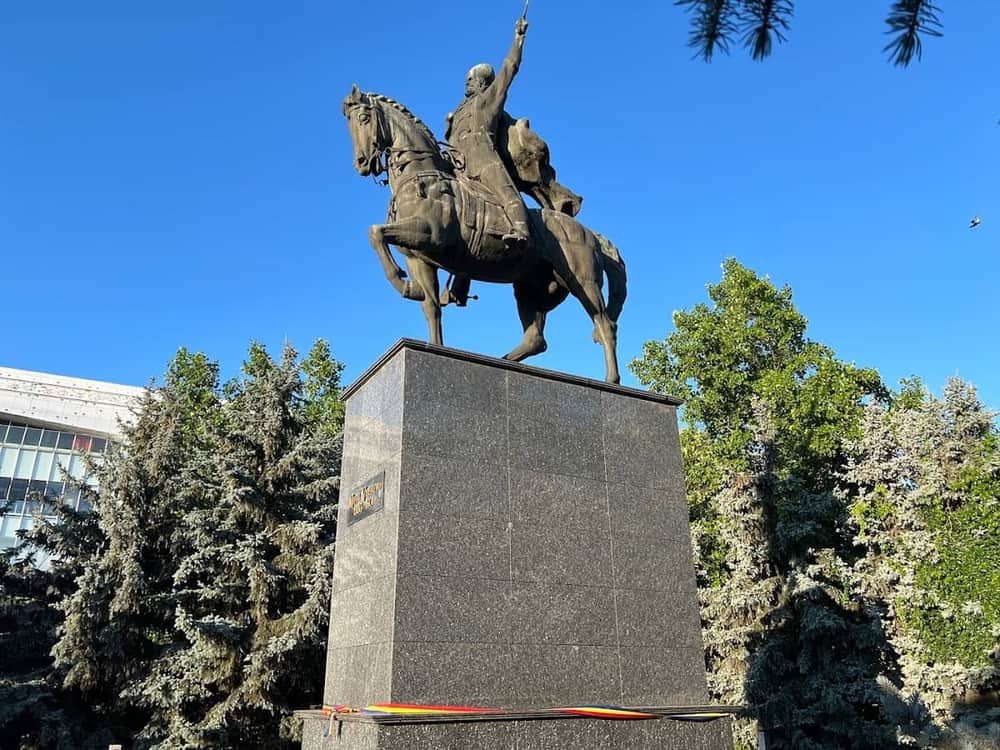
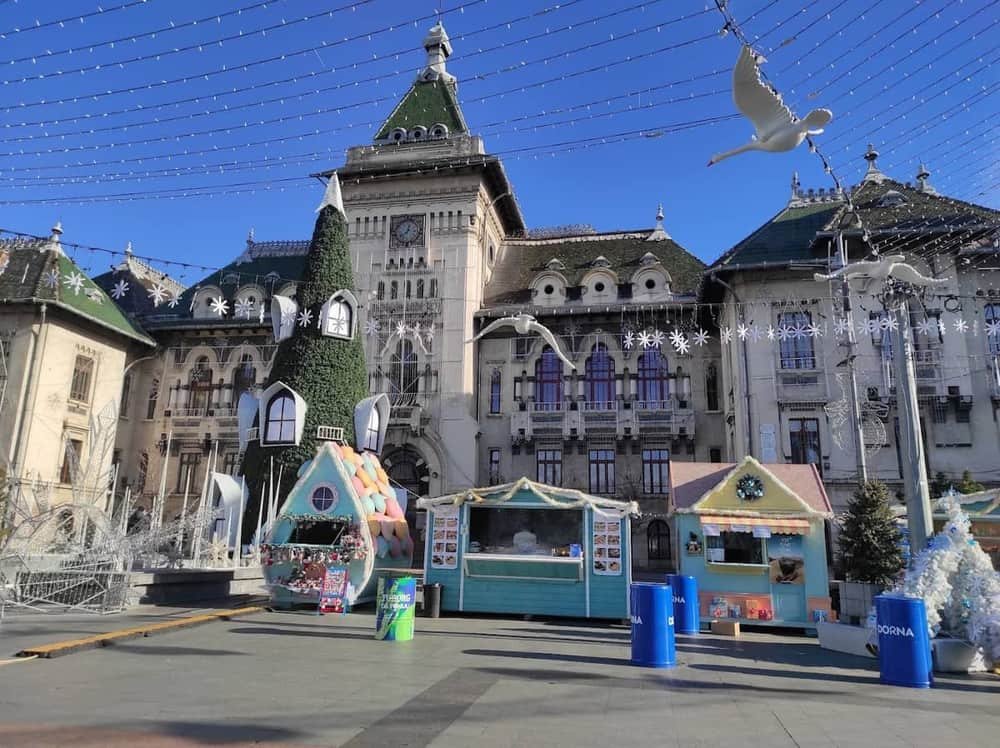
Piața Mihai Viteazul with the equestrian statue and the Administrative Palace closing it. It is the civic set piece and it works at both ends of the day.
In winter it becomes something else entirely. The Christmas market fills it from 13 November to 3 January, and the fortnight from the 13th is the one window when you get full lights and stalls without a crowd in front of them — because nowhere else in Romania has a market open yet. Why Craiova opens first.
Places in this piece
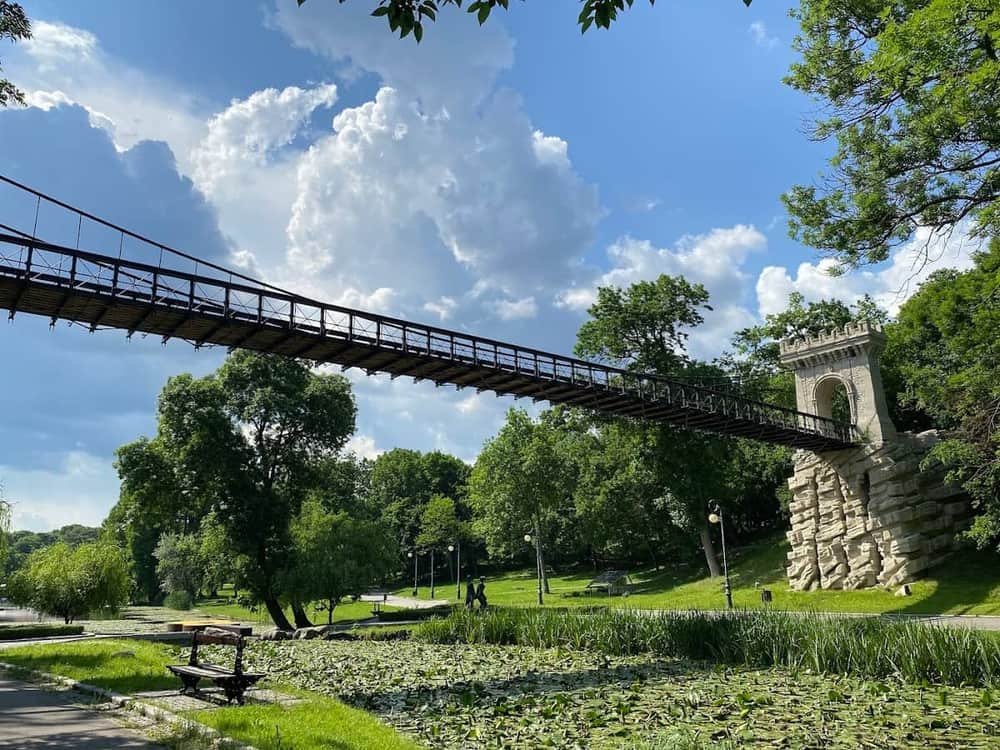
Romanescu, which is the best hour in the city
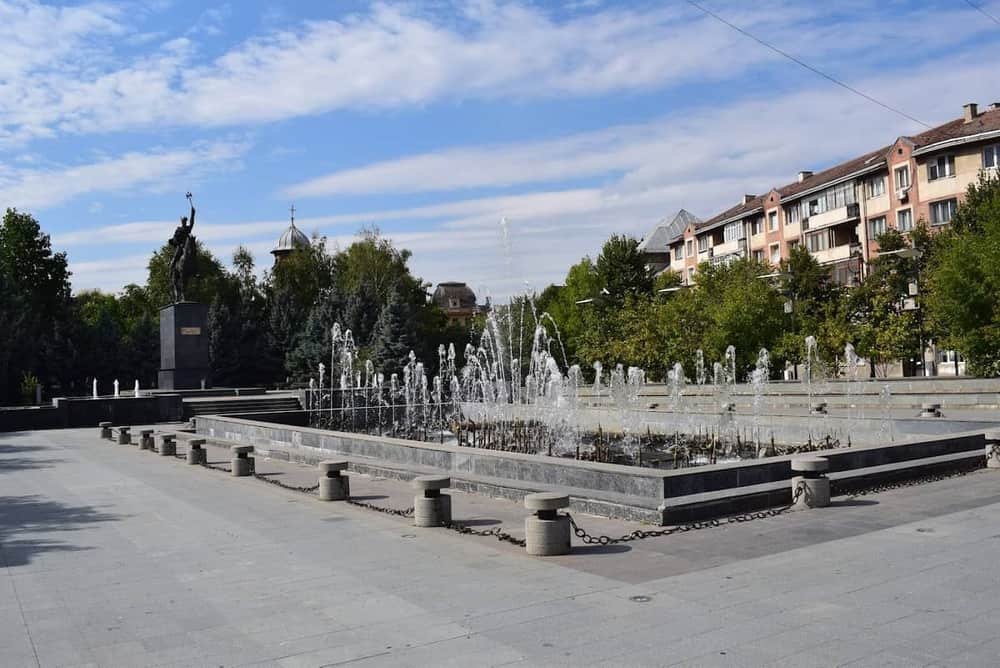
Nicolae Romanescu Park, 96 hectares laid out around 1900, has three things worth the walk:
- The suspended bridge — the structural shot, and the one people come back with
- The lake, which does the work at low sun
- Castelul Fermecat — the Enchanted Castle, which is inside this park, not in the centre, a thing half the internet gets wrong
It is big enough that the walk between them is the point. The park guide.
Green and quiet
The botanical garden is central and at its best in late April and May — Craiova in spring.
The small central parks — Tineretului, the English Park, Trandafirilor — are the version for when you have twenty minutes. Playgrounds and parks.
Where to stay nearby
Live prices and availability on a map centred on this exact spot — hotels, apartments and hostels, so you can judge the walk from here rather than guess from an address.
Bookings made through this map earn us a commission. Your price is unaffected.
Interiors
The Art Museum in the Jean Mihail Palace is the most complete Belle Époque interior in the city, and the only one you can walk into without an appointment. It also holds six original Brâncuși including The Kiss — though photography rules in museums are the museum's to set, so ask rather than assume. The Art Museum guide.
The Metropolitan Cathedral and the older central churches. These are working churches: do not photograph during a liturgy, and that is not a guideline. Churches in Craiova.
An hour north, the one that is actually world-class
Târgu Jiu, 110 km — Brâncuși's ensemble, on the UNESCO list since 2024. The Table of Silence, the Gate of the Kiss, the Endless Column.
The photographic trap is the same as the visiting trap: people shoot the three objects and miss the work, which is the 1.5 km axis between them. The line is the piece. Walk it. The Endless Column.
Drobeta, 113 km — Trajan's bridge piers still in the Danube, and the drive there runs along the Iron Gates gorge. The Kinetic Fountain is here, not in Craiova — the single most common mistake about this region.
Distances measured from Piața Mihai Viteazul and dated on the Oltenia page.
Light, by season
Late April to early June is the best stretch: long days, green, before the plain turns hot. Craiova in spring.
September and October give you the low light and the colour. Craiova in autumn.
July and August are harsh at midday — highs average around 30 °C with no evening cool-down — so shoot early and late and do nothing in between. How to escape the heat.
November to January is the market, and it is the only time the architecture gets photographed by accident.
One courtesy
Craiova is not used to being photographed, which is most of its appeal and also a responsibility. The block neighbourhoods where most of the city actually lives are somebody's home rather than a subject — go for the context, not for the shot.










