

Why this is not a folklore page
Romanian Christmas traditions get written about in two registers: the tourist-board version, which is all costumes and nostalgia, and the ethnographic version, which is accurate and unreadable. This is neither. It is what you will actually encounter in and around Craiova between late November and early January, and what it means when you do.
Most of it is still practised. That is the thing visitors underestimate — these are not re-enactments staged for a market, they are what households in Dolj, Gorj and Mehedinți are doing in December.
Checked October 2026.
Ignat — 20 December
The single most important date in the rural Romanian December, and the one that surprises visitors most.
*Ignatul* is the day of the pig slaughter. In villages across Oltenia it is still done at home, by the household, with neighbours helping, and the whole of the following week's cooking comes out of it. It is where *tochitură*, *pomana porcului*, *cârnați*, *caltaboș* and *tobă* come from, and it is why Romanian December food is so overwhelmingly pork.
The meal eaten on the day is called *pomana porcului* — the pig's alms — and it is the dish you will find at the Christmas market in a tamer form. Eaten on the day, in a yard, it is a different thing.
If you are squeamish, be aware this is happening around you in the week before Christmas. If you are curious, it is the most genuinely untouristed thing in the Romanian calendar.
Places in this piece
Colinde — the carols
Romanian carols are not the Anglo-Saxon repertoire and they are not sung the same way.
*Colinde* are sung by groups going door to door from Christmas Eve, and in Oltenia the practice is still strong in villages and in the older parts of towns. The songs are often pre-Christian in structure — addressed to the household rather than to a congregation, promising prosperity, and answered with food, drink or money at the door.
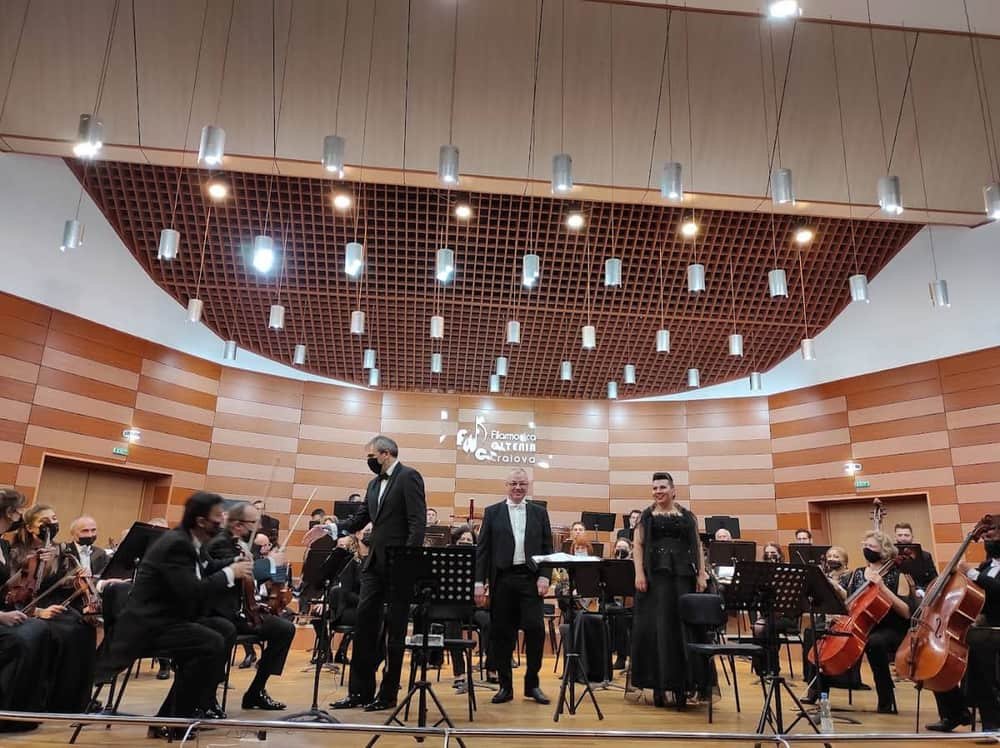
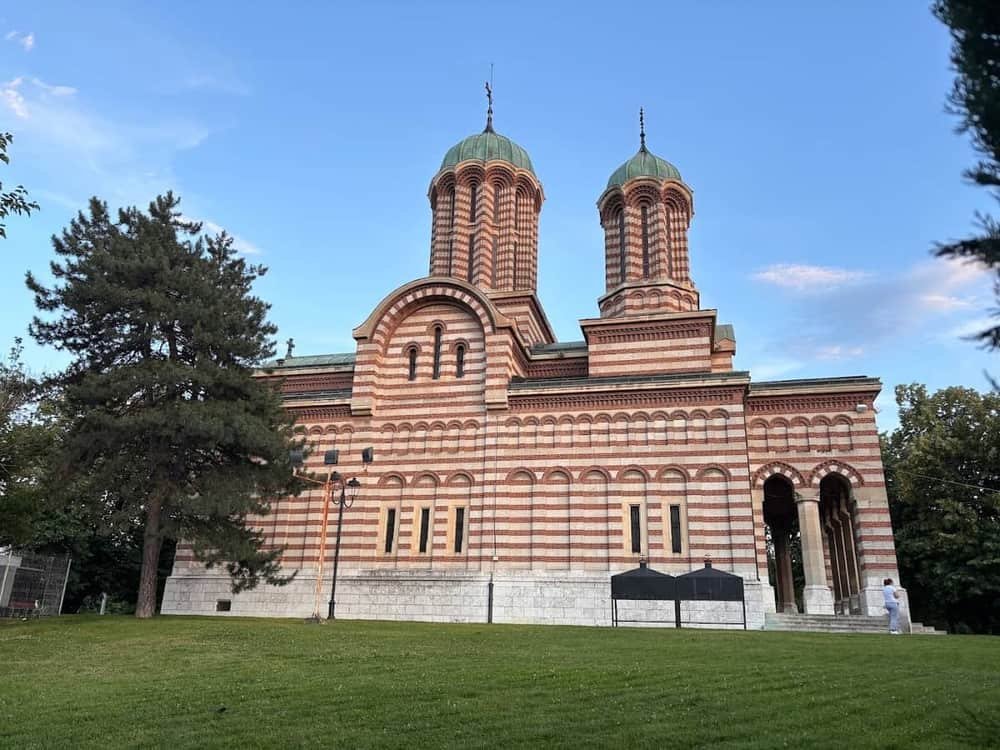
In the city, you will hear them in the Christmas market, at the Philharmonic and in the churches. The Metropolitan Cathedral of St Demetrius is the obvious one.
Postul Crăciunului — the fast
This is practical information, not a devotional note.
The Orthodox fast before Christmas runs for forty days, from 15 November to 24 December, and a meaningful part of the population keeps it at least partially. In practice, for a visitor, that means two things: restaurants carry *de post* dishes — Lenten versions without meat, dairy or eggs — through most of the market season, and the *sarmale de post*, filled with rice, mushrooms and vegetables, are genuinely good rather than a concession.
It also means that the eating on 25 December is as enthusiastic as it is partly because of what preceded it.
Where to stay nearby
Live prices and availability on a map centred on this exact spot — hotels, apartments and hostels, so you can judge the walk from here rather than guess from an address.
Bookings made through this map earn us a commission. Your price is unaffected.
Cozonac, and the argument about it
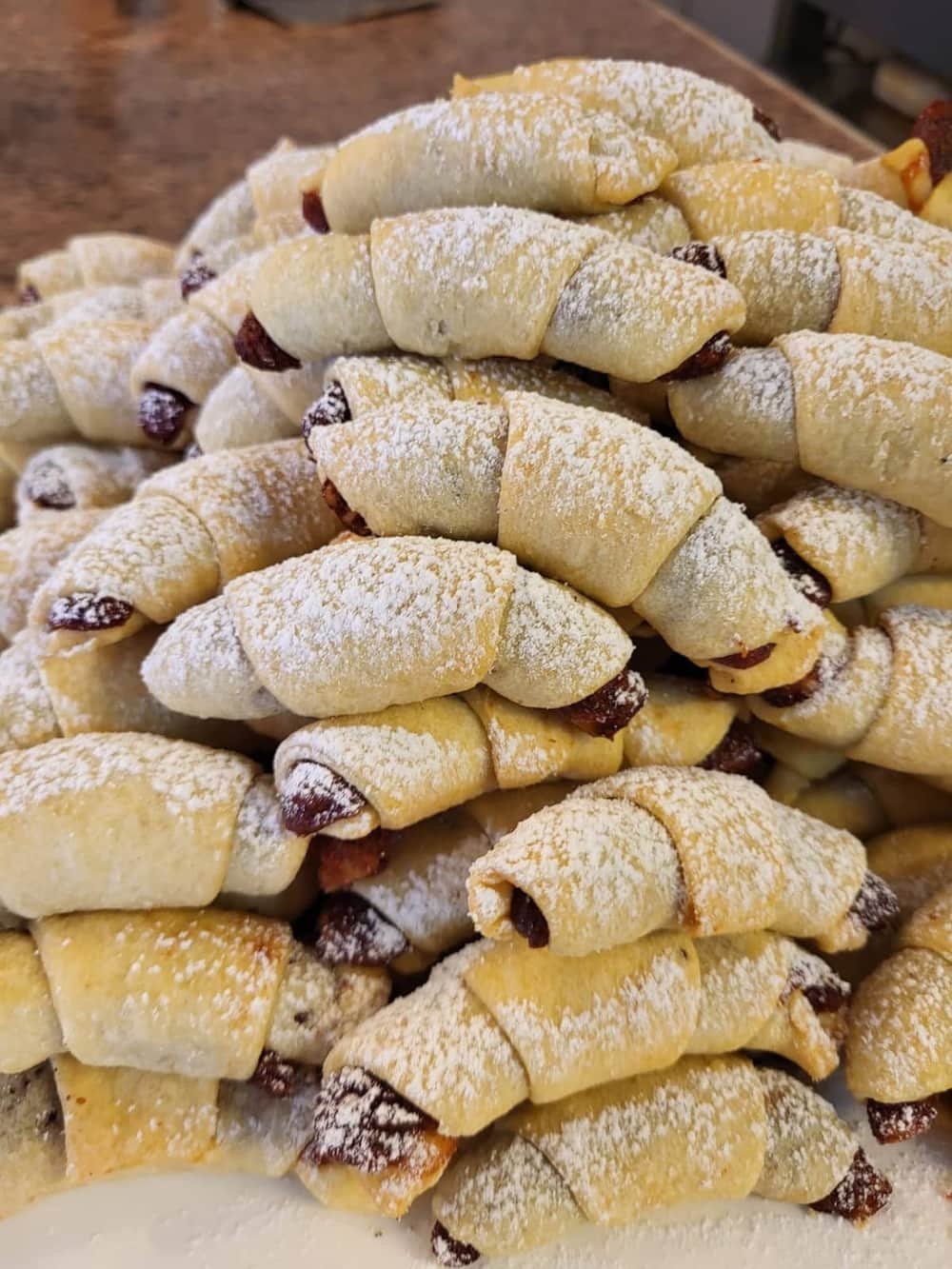
Every household bakes *cozonac* — a sweet leavened bread, swirled with walnut, cocoa or Turkish delight — and every household believes theirs is correct.
The Oltenian version tends toward a heavier walnut filling. You can buy a decent one at the market, but the people who live here buy theirs from a bakery, and Cuptorul Cozonacilor is the obvious address. Buy it on the day you want to eat it.
Crăciunul and the table
Christmas lunch on 25 December is the heaviest meal of the Romanian year: *sarmale* with polenta and sour cream, *tobă* and *caltaboș* from the Ignat slaughter, *salată de boeuf*, pickles, *cozonac*, and a great deal of *țuică* before and wine during.
The wine, in Oltenia, is likely to be from Segarcea, twenty-nine kilometres from Craiova — one of the few parts of Romania that grows serious red.
Sfântul Ion and the end of it
The season does not end on Boxing Day.
31 December is *Revelion* — see New Year's Eve in Craiova. 1 January is St Basil. 6 January, Epiphany, is *Boboteaza*, when priests bless water and, in villages near the Danube and the Jiu, men dive for a cross thrown into the river. 7 January is St John, which in Romania is a major name-day — a third of the country seems to be called Ion or Ioana — and the last big table of the season.
The Craiova Christmas market closes on 3 January, between Revelion and Boboteaza, which is later than most Romanian markets manage.
Where to see any of this as a visitor
Honestly: the market gives you the food and the carols, and the churches give you the liturgy, and both are accessible without knowing anyone. The household traditions — Ignat, the door-to-door *colinde* — are not a spectator activity and are not staged for visitors, which is exactly what makes them worth knowing about rather than worth chasing.
If you want the regional material culture rather than the performance, the Oltenia Museum's ethnography section at Casa Băniei is where it is kept, in the oldest building in the city, and it is open year round. More on what to see in things to do in Craiova.
Țuica, and the thing to know about it
Romanian plum brandy is the drink the whole season runs on, and in Oltenia it is taken seriously. It is served before the meal rather than after, in small glasses, often warmed with pepper and sugar in winter, and it is considerably stronger than a guest expects.
The rule, if you are offered it in a household: one is polite, two is friendly, and the third is a decision you are making about your afternoon. Refusing outright is harder than it sounds, because the pouring is the welcome rather than the drink.









