Every city that people can picture has one object they picture. A tower, a bridge, a gate, a hill with something on it. Craiova does not have one, and I have come to think this is the most underrated fact about the place.
It is not a failure of marketing. It is a consequence of how the city was built, and once you see it, a lot of other things about Craiova make sense.
The candidates, and why each one fails
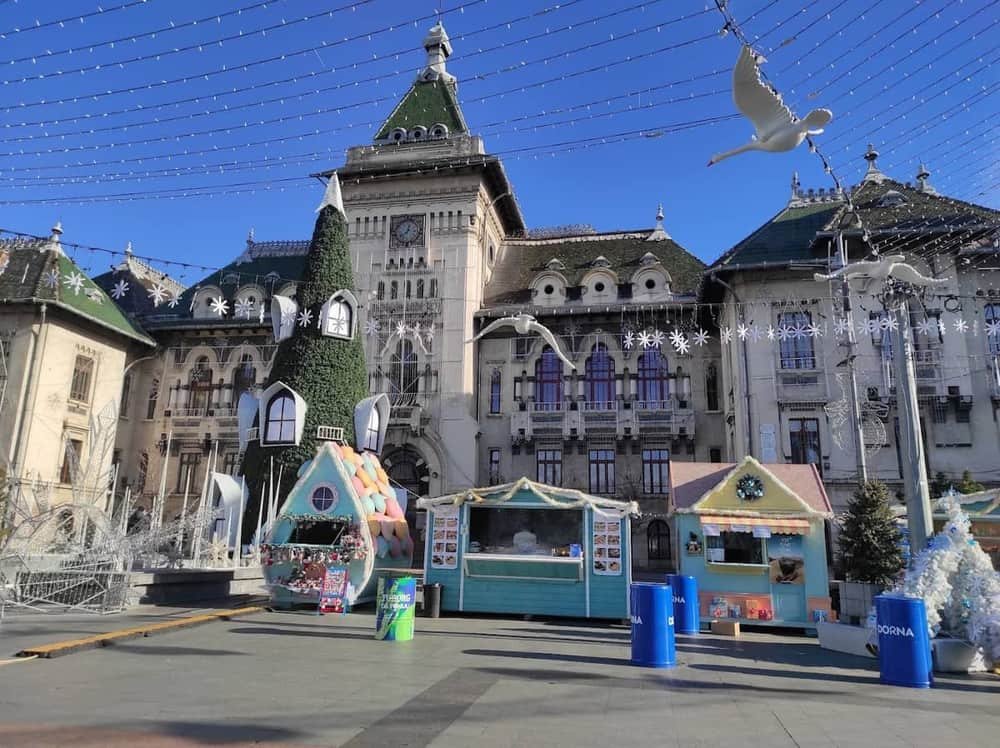
The Administrative Palace. The most photographed building here, genuinely imposing, and completely unknown outside the county. It is also an office, which is hard to romanticise.
Parcul Romanescu. By a distance the best thing in the city, and it does not photograph as one object. A ninety-hectare landscape has no silhouette — that is precisely what makes it good.
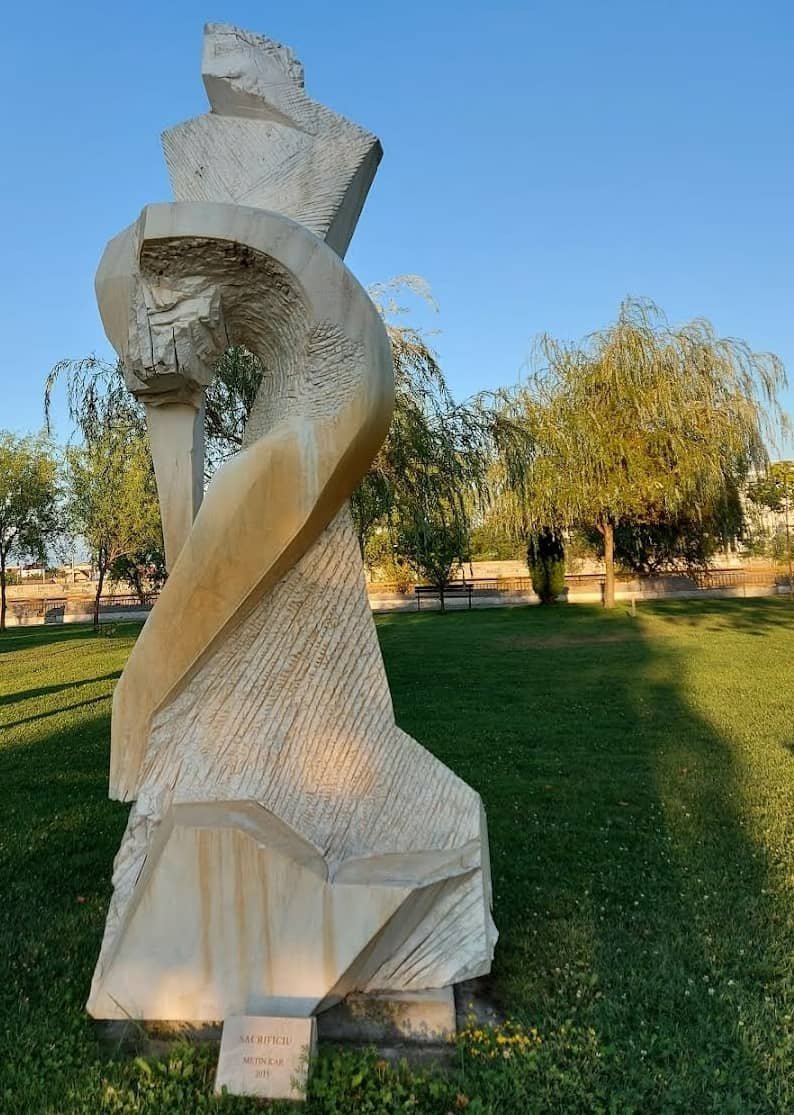
The six Brâncuși. The strongest claim the city has, and the works are not of Craiova — they are in Craiova. A city cannot use somebody else's sculpture as its outline.
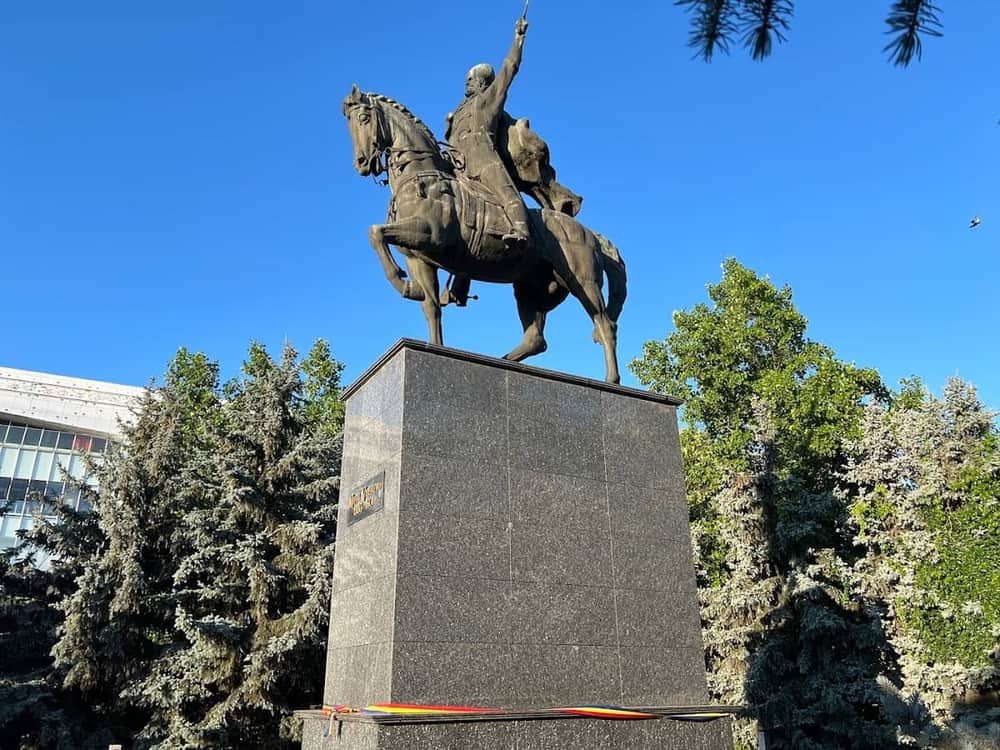
The statue of Michael the Brave. Real historical claim — he was Ban of Craiova in 1593 — but there are statues of him across Romania, so it reads as generic.
The football club. Carries the city's name nationally every week and divides it internally — see why. Not a symbol you can put on a poster.
Places in this piece
Why there is nothing older to fall back on
This is the structural reason.
Craiova has no fortress, no walls and no medieval core. It was an administrative seat on a flat plain, not a defended hill town, and administrative seats do not leave silhouettes. Casa Băniei, the oldest surviving building, is a modest house rather than a monument.
The handsome city is 1880–1914 — a boom of commercial palaces built to be seen from the pavement, in a row. That produces a very good street and no landmark. The palaces only work as an ensemble.
Why it matters commercially
More than it should.
Tourism runs on images. A city with one recognisable object gets put on a list, printed on a fridge magnet, used as a thumbnail — and that single image does an enormous amount of unpaid promotional work.
Craiova cannot be reduced to a thumbnail, which is a large part of why nobody knows about it, and it compounds with having almost no guides and almost no promotion.
Where to stay nearby
Live prices and availability on a map centred on this exact spot — hotels, apartments and hostels, so you can judge the walk from here rather than guess from an address.
Bookings made through this map earn us a commission. Your price is unaffected.
The argument that this is good
And here is the other side, which I believe.
A city organised around one object becomes a queue for that object. Everything else in it turns into something you do before or after the thing — the restaurants near it get worse, the prices around it get higher, and the residents give it up.
Craiova has nothing to queue for, so nothing has been given up. The park belongs to the people who live here on a Sunday. The museum is quiet enough to stand in front of a Brâncuși alone. The restaurants cook for regulars.
This is the whole trade. No icon means no fame, and no fame means the city still belongs to itself.
What the city uses instead
In practice, three things do the work a symbol would do:
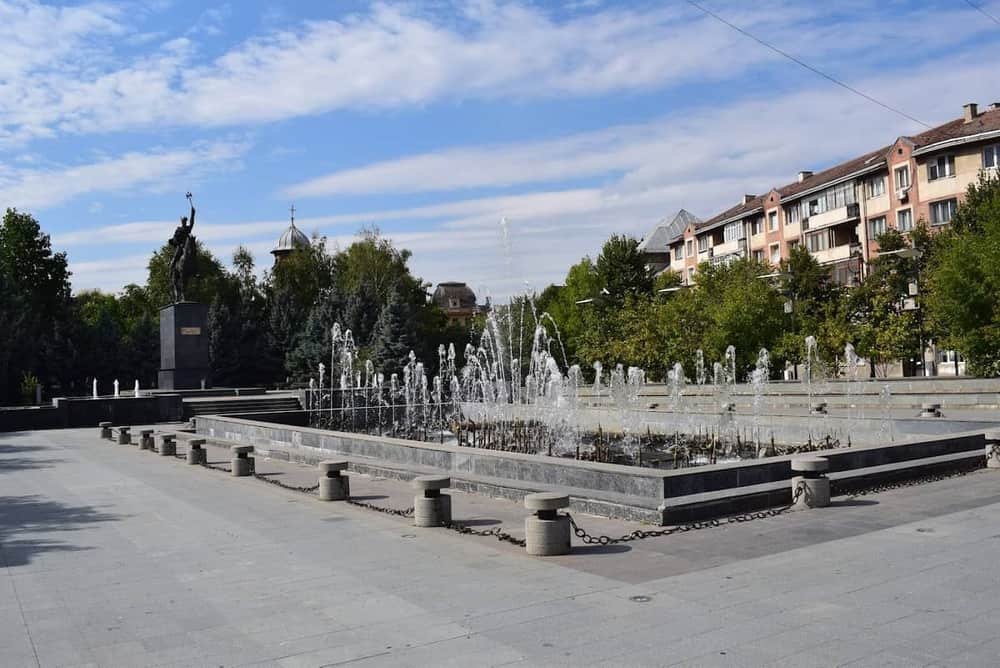
- The square. Piața Mihai Viteazul is where everything happens, including the Christmas market.
- The street. Calea Unirii is the thing people photograph without quite knowing why.
- The market, in winter. For six weeks a year the lights are the image the city sends out, which is why opening before everybody else matters so much.
None of those is an object. All three are places where people are.
What I would choose, if forced
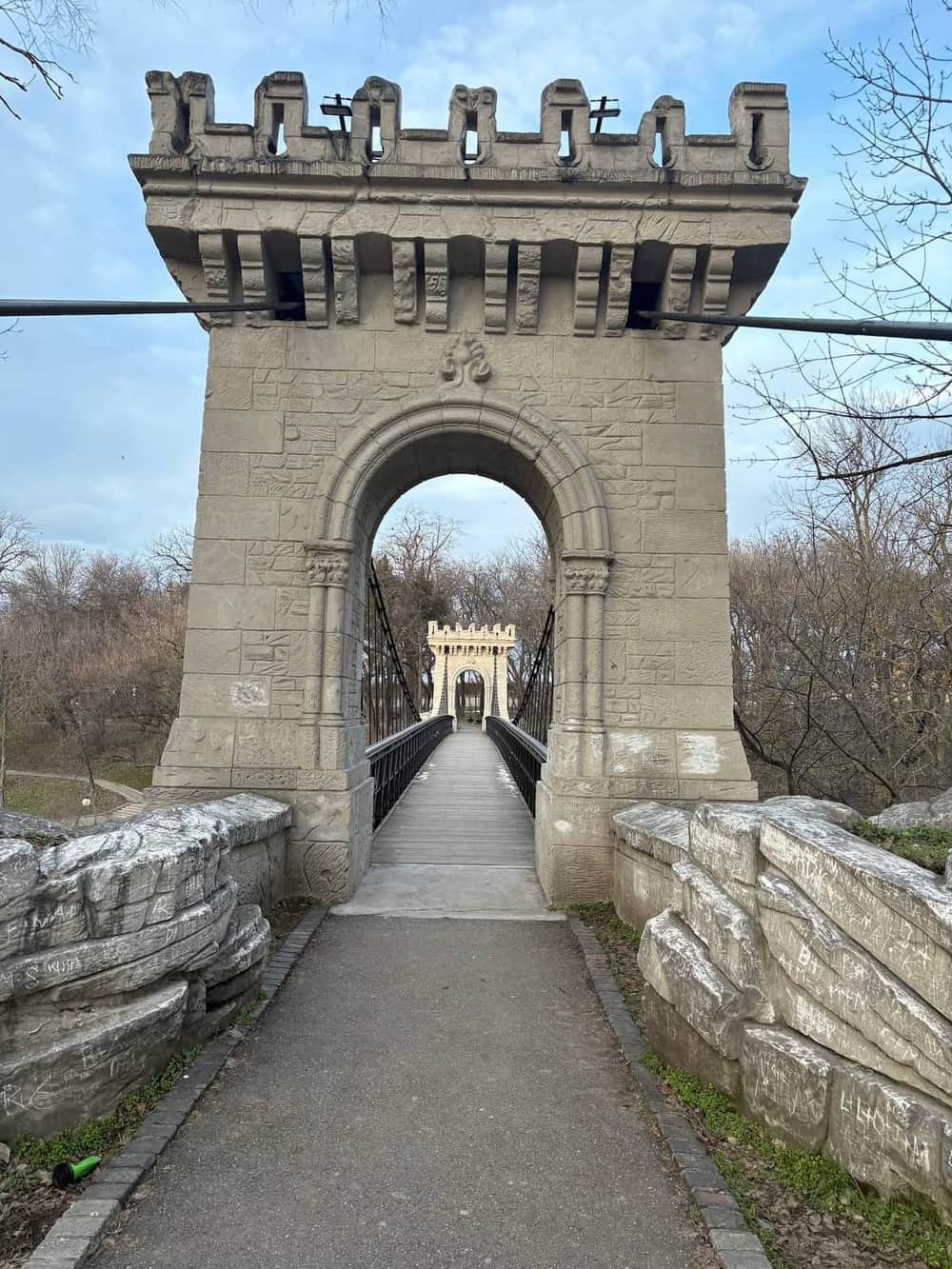
The suspended bridge in Romanescu.
It is photogenic, it is unique to the city, it belongs to the one genuinely world-class thing Craiova has, and it carries the whole story — a provincial mayor who hired a French architect and sent the plan to Paris. The park's history is the city's best argument in one structure.
It is not famous. But it is the only candidate that is both distinctive and ours.
The honest conclusion
Craiova is a place rather than a sight, and places are harder to sell than sights.
If you want a city you can photograph in one frame and tick off, go elsewhere — and we have said so. If you want somewhere that still works as a city rather than as a backdrop, the absence of an icon is the reason it does.