In Bucharest, nobody much cares which sector you live in. In Craiova, the first question after your name is frequently where you live, and the answer carries more information than it should.
This is a piece about why that is, what each answer actually means, and what it tells a visitor choosing where to stay.
Why the district matters more here
Two reasons, and they are both structural.
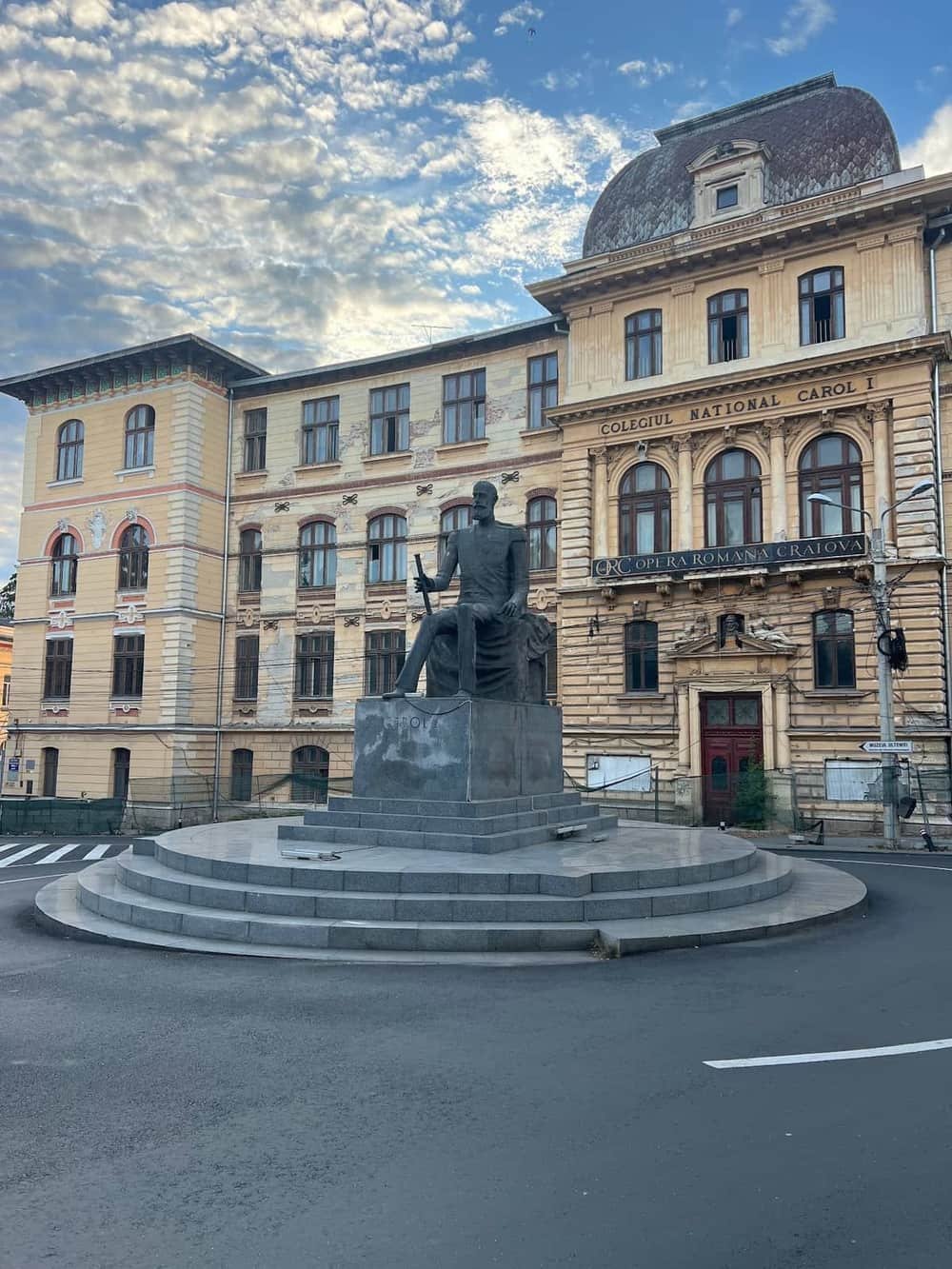
The city was built twice. There is a Belle Époque centre from roughly 1880–1914 and a ring of planned districts from the 1960s–80s, put up for the workforce of Electroputere and the other works. Those two cities are physically adjacent and socially distinct, and everybody knows which one they are from.
People do not move much. A relatively stable population means the district you grew up in is often the district you still live in, which turns an address into a biography. Why we stay covers the stability; this is its social consequence.
Places in this piece
What the names actually tell you
How the districts got their names is the full etymology. The short decoder:
| If somebody says | It generally means |
|---|---|
| "the centre" | old city, walkable, expensive, noisy at weekends |
| Craiovița Nouă | large planned district, 1970s–80s, a city in itself |
| Brazda lui Novac | same era, named after an ancient earthwork |
| Valea Roșie | older landscape name, low ground |
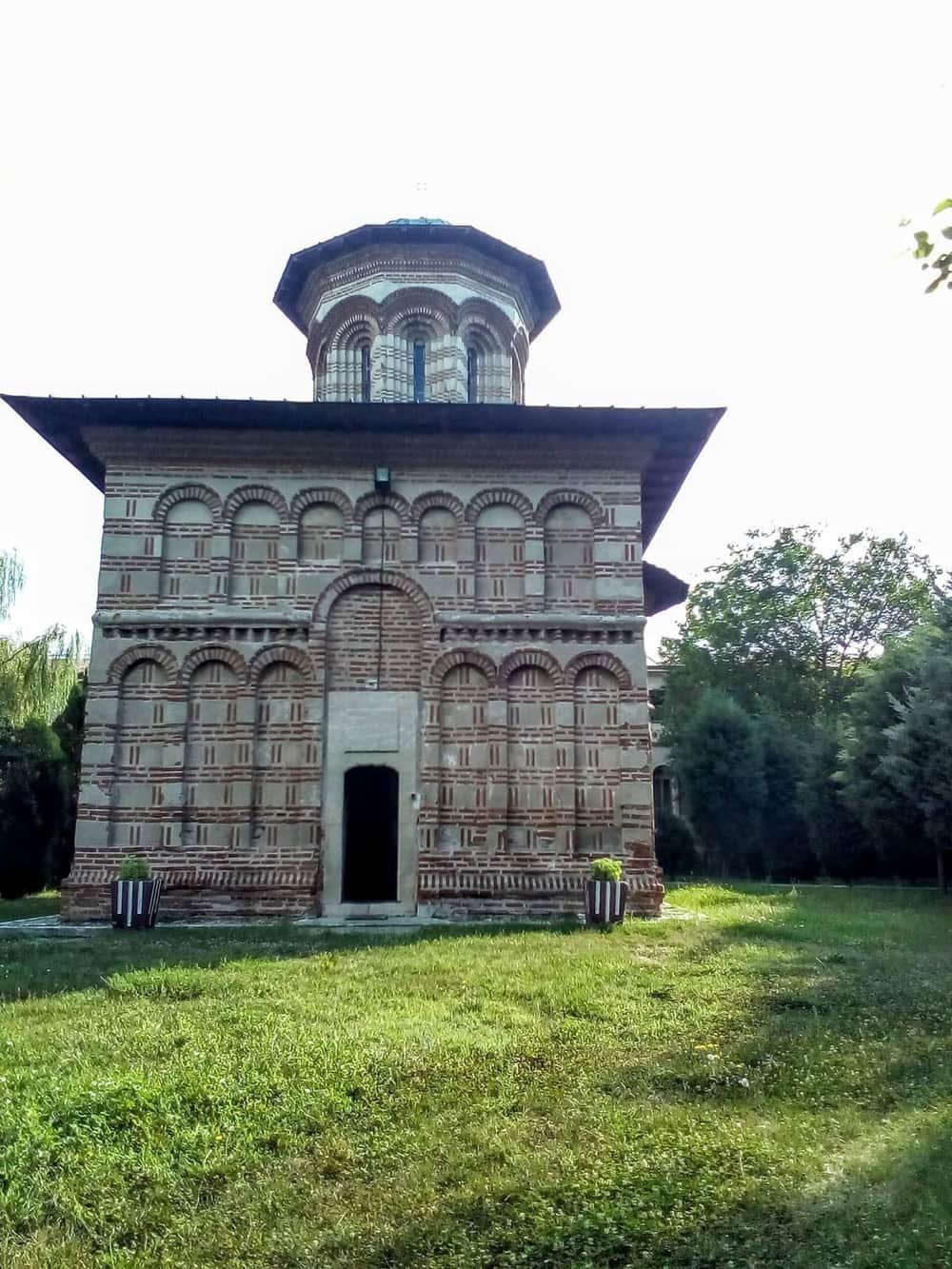
| 1 Mai | planned, and holds the oldest monastery in the city |
| Calea București | on the main road out east |
| Balta Verde | south, low, green, quiet |
The stereotypes, which I am going to leave alone
Every Craiovean has opinions about every district and most of them are the usual mix of affection, snobbery and twenty-year-old reputations that no longer apply.
I am not going to publish a ranking. What I will say is that the reputational gaps are much narrower than the conversation implies, and that the single real difference between districts is distance to the centre and how much green there is — both of which the neighbourhood pages describe factually.
Where to stay nearby
Live prices and availability on a map centred on this exact spot — hotels, apartments and hostels, so you can judge the walk from here rather than guess from an address.
Bookings made through this map earn us a commission. Your price is unaffected.
What this means if you are visiting
Simple: stay central, almost always.
The walkable city is small — Calea Unirii down to the park — and everything you came for is inside it. A cheaper room in a planned district saves you less than the taxis cost, and the districts are residential rather than interesting.
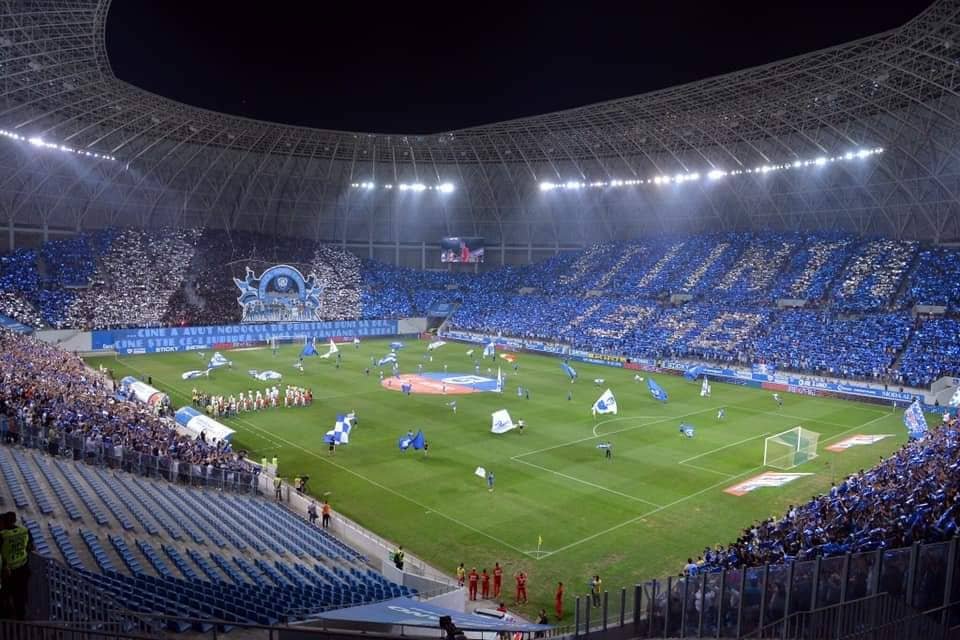
Where to stay has the stock. The exceptions are a matchday at the stadium and anything involving an early start towards Oltenia, where being near the exit road is worth more than being near the square.
What it means if you are moving here
Here the calculation flips, and it is worth taking seriously.
- Central — best for a single person or a couple without a car. Worst for noise and for parking, which is a real consideration.
- The large planned districts — best for space per euro, schools and playgrounds. They are genuinely self-sufficient; you can live in Craiovița and visit the centre once a week.
- The southern, greener areas — quietest, closest to the park, furthest from the nightlife.
Craiova for expats and for digital nomads have the practical versions, and what it costs to live here has the numbers.
The student variable
Worth knowing before you sign anything. Areas near the faculties change character twice a year: busy and young from October, emptier from July. The city after the students leave describes the swing.
A flat viewed in August in a student area is not the flat you will be living in by November.
The thing visitors never see
Most of Craiova is the districts. The part in the photographs is a corridor perhaps two kilometres long.
That is not a complaint — it is true of most cities and it is why the corridor is so good. But if you spend two days here and conclude you have seen Craiova, you have seen the part built with grain money before 1914 and none of the part where a quarter of a million people actually live.
The honest summary
The district question is not snobbery, or not only. It is a city of manageable size where people stay put, so an address is a shorthand for a whole set of facts about somebody.
For a visitor it collapses to one instruction — stay in the centre — and for anybody moving here it is the most consequential decision on the list.