The short version
Spring is the under-rated season in Craiova, and the figures say why: April averages a high of 18.3 °C on 234 hours of sunshine and May 23.8 °C on 277 hours, which is the best combination of warmth and walkability in the whole year. The crowds and the prices both belong to the Christmas market six months away.
- March — high 11.9 °C, 207 hours of sun, 52 mm of rain over 9 days. The turn.
- April — high 18.3 °C, 234 hours, 62 mm over 11 days. The first genuinely good walking month.
- May — high 23.8 °C, 277 hours, 75 mm over 14 days. The best month in the city, and in an even-numbered year the best month full stop.
- The park comes back, which matters more here than in most cities.
- Rates are low and nothing is booked out — with one exception, below.
Checked October 2026. Climate figures are 1991–2020 monthly normals from the European reanalysis for the Craiova grid point, not station measurements. They are means: a given April will differ.
Why spring suits this city specifically
Craiova divides into two halves — a compact nineteenth-century centre and a very large park — and spring is the season when both work at once.
The centre works all year. Calea Unirii is a pedestrianised run of belle-époque facades and it is just as good in February; the museums are indoors.
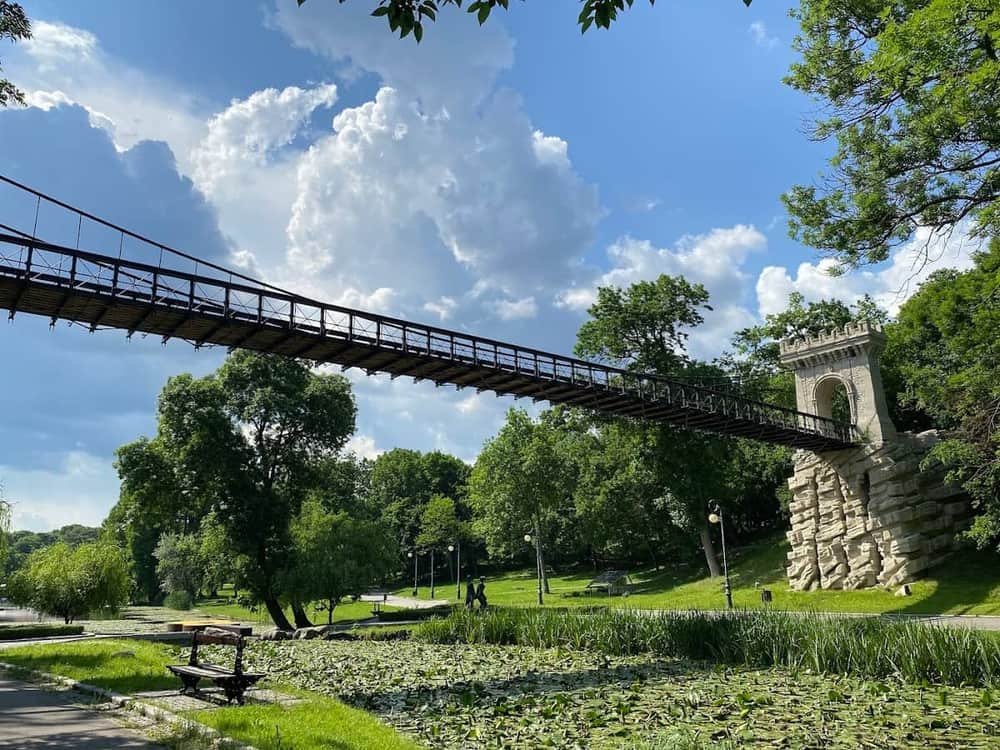
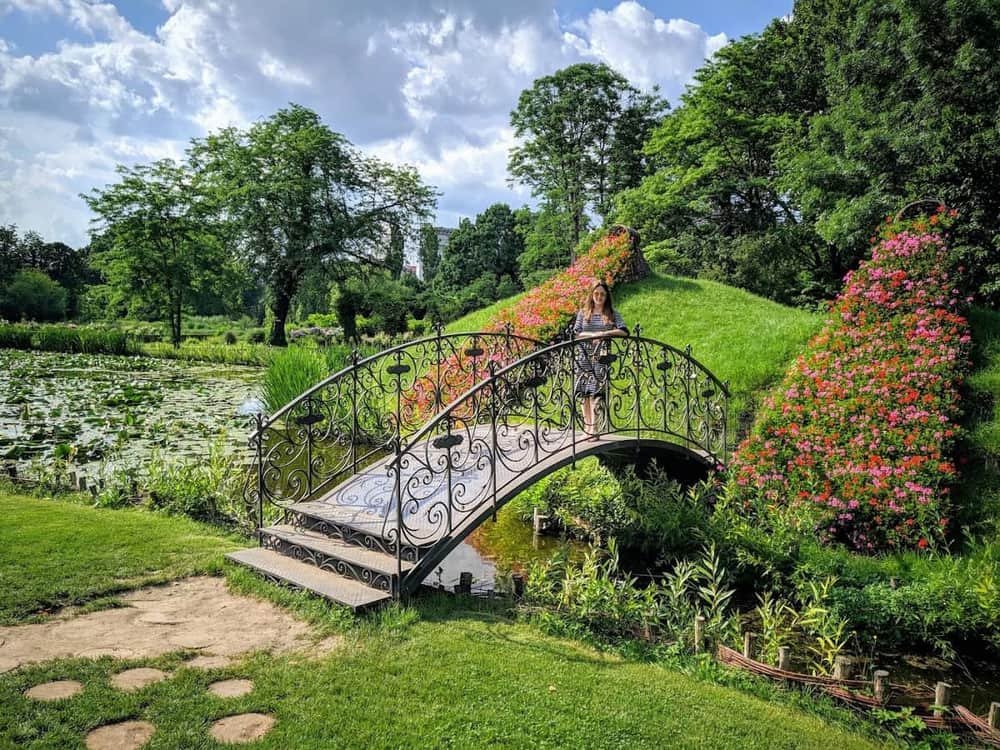
The park only works in some of it. Romanescu Park is ninety-six hectares laid out 1900–03 by a Frenchman whose plan won gold in Paris — and from November to March it is bare. In April and May it is the best thing in Oltenia that is not a sculpture.
That is the whole seasonal argument: spring is when Craiova has both halves.
Add the figures that make it comfortable rather than merely pretty: in May, 277 hours of sunshine with a mean high of 23.8 °C is warm enough for terraces and cool enough for three hours on foot. By July the same city averages 30.0 °C and the day has to be inverted around the heat — see beating the summer heat.
Places in this piece
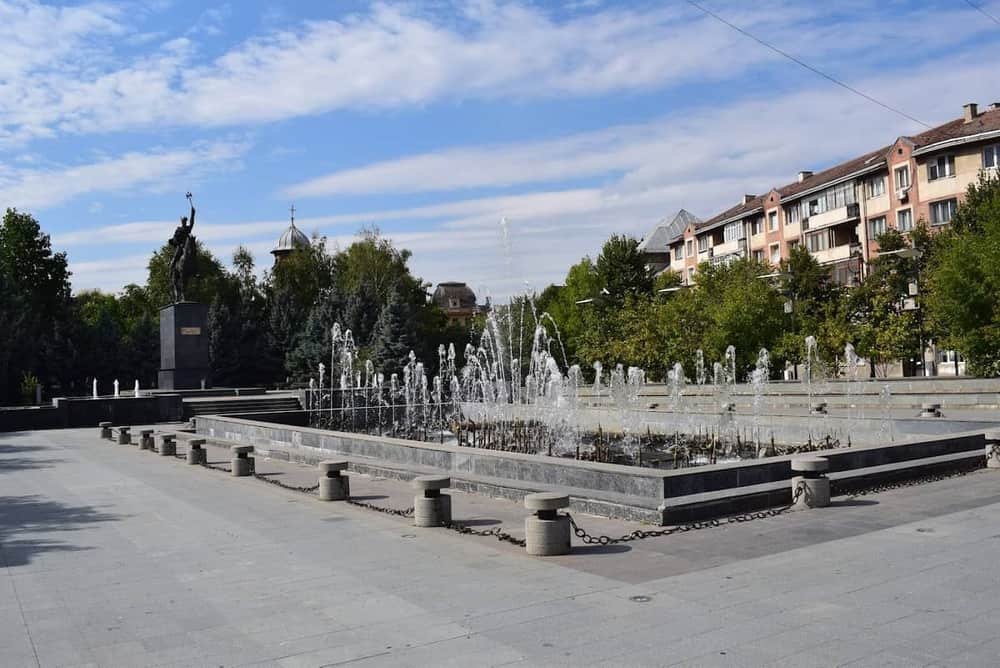
March: the turn
High 11.9 °C, low 3.0 °C, 207 hours of sunshine, 52 mm of rain across 9 days.
The important number is the sun: 207 hours against 141 in February, a jump of nearly fifty per cent, and after a January that averages only 131 hours the difference is felt rather than noticed. The winter problem in Craiova is damp and fog in the Jiu valley rather than cold, and March is when it lifts. Craiova in winter explains what you are coming out of.
What to do: the centre, the museums, and the first terraces, which start opening around now. The park is still bare. The long drives — Târgu Jiu at 110 km, Horezu at 113 — become pleasant rather than a fog risk.
Still shut: the Transalpina over the Urdele pass, which closes for winter by administrative order and does not reopen on a calendar date. Rânca remains reachable from the south; ask the guesthouse.
April: the first good month
High 18.3 °C, low 8.2 °C, 234 hours of sunshine, 62 mm across 11 days.
This is the first month in which a visitor can do a full Craiova day exactly as written — centre in the morning, Romanescu in the afternoon, a terrace in the evening — without planning around either heat or dark. One day in Craiova is that day.
The park is the reason. The planting comes back, the lakes stop being grey, and the ninety-six hectares fill with locals rather than visitors, which is pleasant rather than otherwise. The Botanical Garden — university-owned, nearly nine thousand reviews — is at its best in April and May and is the one to add if the big park was yesterday.
The rain is real. Sixty-two millimetres across eleven days is the wettest-feeling part of spring: not heavy, but frequent. Take a shell.
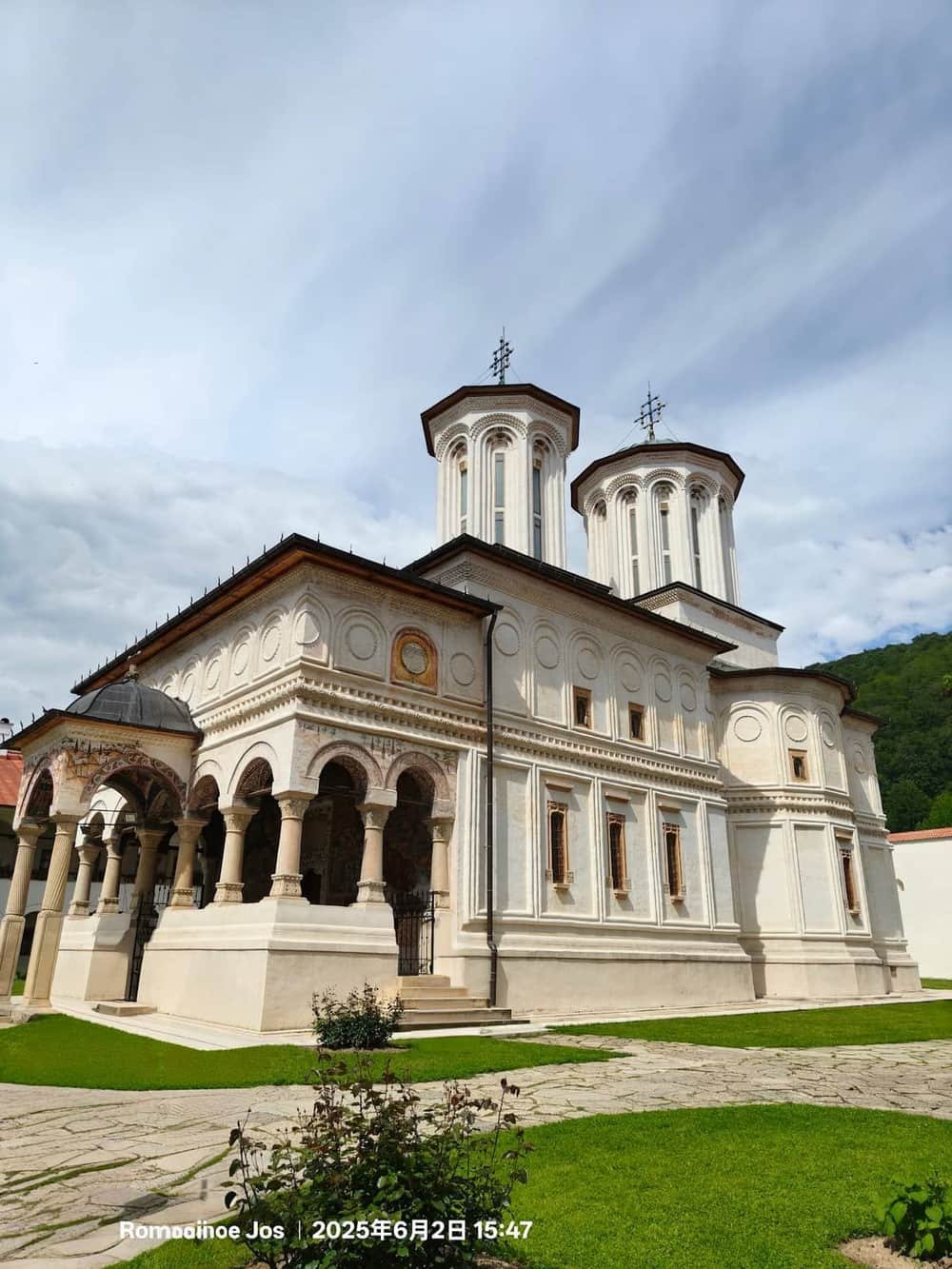
Out of town: this is the month to do Hurezi and Tismana. The Tismana gorge and its waterfall have water in them in April and considerably less in August, and the monastery courtyards are better at 18 °C than at 32 °C.
Where to stay nearby
Live prices and availability on a map centred on this exact spot — hotels, apartments and hostels, so you can judge the walk from here rather than guess from an address.
Bookings made through this map earn us a commission. Your price is unaffected.
May: the best month
High 23.8 °C, low 13.2 °C, 277 hours of sunshine, 75 mm across 14 days.
Everything works. The terraces are full and not yet hot, the park is at its peak, the drives are at their best, and the light is long.
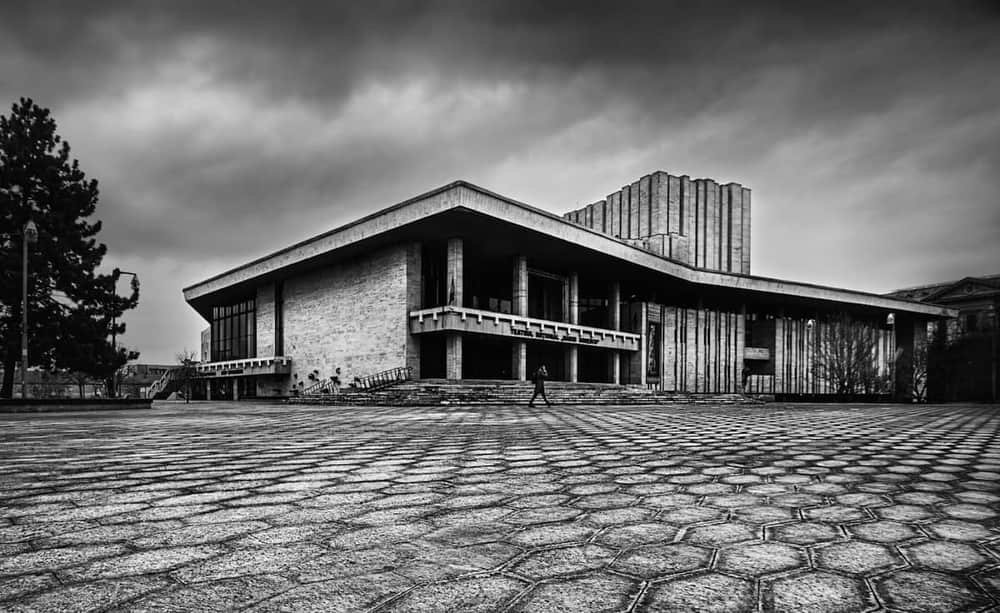
And in even-numbered years, the festival. The International Shakespeare Festival at the Marin Sorescu National Theatre filled eleven days in 2026 — 21 to 31 May — with close to five hundred events across more than sixty venues, a great many of them free and outdoors in squares and neighbourhoods. It is biennial and the next edition is 2028.
This is the one exception to "nothing is booked out in spring": eleven days of festival in a city this size moves the accommodation market. If you are coming for it, book early. If you are coming in late May 2028 and had not heard of it, you will now.
Early June, just past the edge of spring, brings Craiova Days — a free stage in Piața Mihai Viteazul, a children's parade along Strada A. I. Cuza, and the ExpoFlora flower fair on Strada Theodor Aman beside it. Tied to 1 June, with the exact days set each spring by the city hall.
What spring is not
It is not the cheapest season. July, August and February are. Spring is moderate — lower than the market months, higher than high summer.
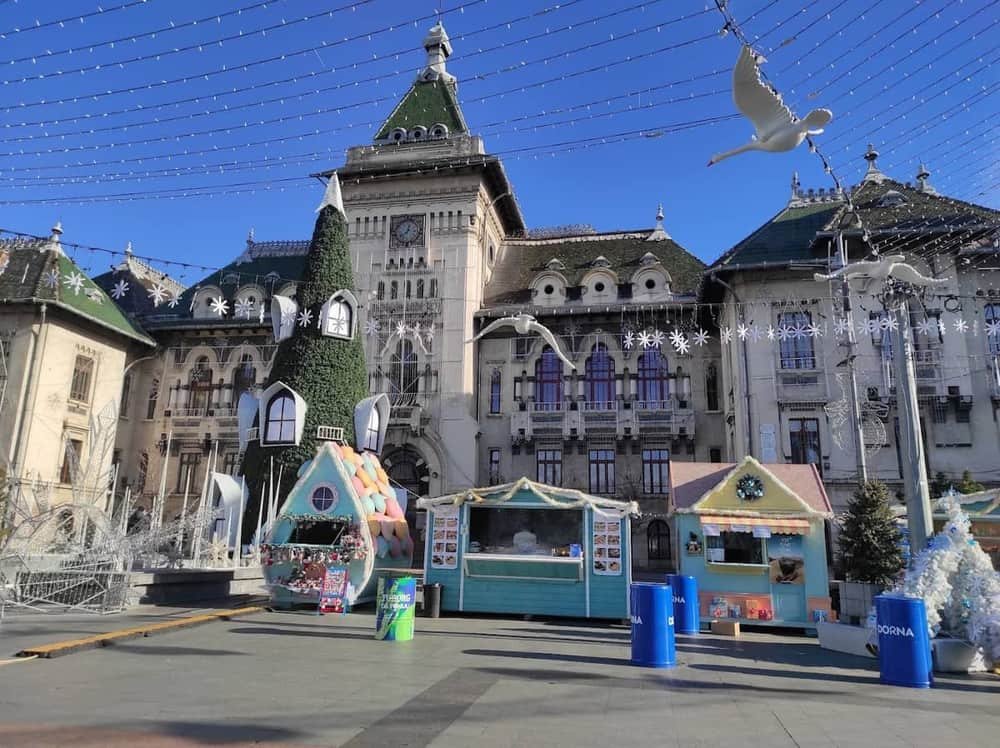
It is not when the market is on. Craiova's distinctive asset is a Christmas market that opens on 13 November, about a fortnight before Sibiu, Bucharest and Brașov, which for two weeks makes it the only large market open in Romania. If that is what you came to Romania for, spring is the wrong half of the year. When to visit weighs the whole calendar.
It is not reliable. Fourteen rain days in May is the normal figure. These are means; a cold wet April happens.
The spring trip
Two days, which is the right length for Craiova in any season: the city on foot one day, one trip out the next. Two days in Craiova sets out the choice, and in spring the answer leans towards the monasteries — Horezu and Hurezi at 113 km, or Târgu Jiu and Tismana — rather than towards Rânca, which is a summer answer, or the Danube, which is better in autumn.
Segarcea at 29 km and a measured 34 minutes works in any month and is the half-day if the weather turns.
Where to stay: the centre, because in spring you will be walking, and everything is within twenty minutes of everything else.
Eat outside. From roughly March the terraces are open, and by May they are the point. Where to eat has the central cluster; Craiova at night has what happens after.