Start with the word that catches everyone out
If you see ciorbă de raci on a menu in Oltenia, it is not crayfish soup. *Raci* here are small red peppers, dried in a particular Oltenian way, and the dish is those peppers rehydrated and stuffed — with leek, oil, maize flour and wheat flour — then simmered in a vegetable broth and finished with lovage. It is mildly hot, sour, and completely unlike anything the name suggests to a Romanian from anywhere else in the country.
That one misunderstanding is a good way into Oltenian cooking generally, because the region's food is more distinct from the rest of Romania than most visitors expect, and the differences are specific rather than vague.
Checked October 2026. Prices are deliberately absent from this page. Restaurant menus in Craiova change with the season and almost nothing in Oltenia publishes a dependable figure — see the prices page for how we handle that. What is here instead is what to order and why.
The three things that make it Oltenian
Leek instead of onion
Praz — leek — is the signature vegetable of the Oltenian plain, and it does work that onion does elsewhere. It goes into the stuffing of those *raci* peppers. It is the base of mâncare de praz, a leek stew that is a dish in its own right rather than a side. In a great many household recipes it replaces onion outright, which gives Oltenian cooking a sweeter, softer backbone than the sharper Wallachian and Moldovan versions of the same dishes.
Order mâncare de praz if you see it, which in Craiova you mostly will not — it is home cooking rather than restaurant cooking, and that is worth knowing before you spend a week looking for it.
Sourness, from things that are not lemon
Oltenians like their soups distinctly sourer than the national average, and the souring agents are the interesting part. Sauerkraut juice, tomato juice, aguridă — the juice of unripe grapes — and green corcoduşe, the small wild plums, all do the job. Each gives a different sourness: the grape juice is sharp and clean, the wild plums fruity and faintly bitter.
The soups themselves run through the garden rather than the butcher: chicken, leek, lobodă (orache), știr (amaranth), ștevie (sorrel), and a soup made from the green leaves of spring onions, soured with yoghurt. If you grew up on Romanian food elsewhere, the leaf soups are the ones that will be unfamiliar.
Bread and polenta baked under a bell
Pâinea la țest and mălaiul la țest are not different recipes — the dough is the same. The difference is entirely in the cooking: a *țest* is an earthenware bell placed over the loaf on the hearth and buried in embers, which bakes it slowly with the steam held in. The crust and the crumb are both different from an oven loaf, and in the villages north of Craiova this is still done.
If a guesthouse around Horezu or Târgu Jiu offers it, say yes. In the city you will not find it.
Places in this piece
What to actually order, by where you are
In Craiova
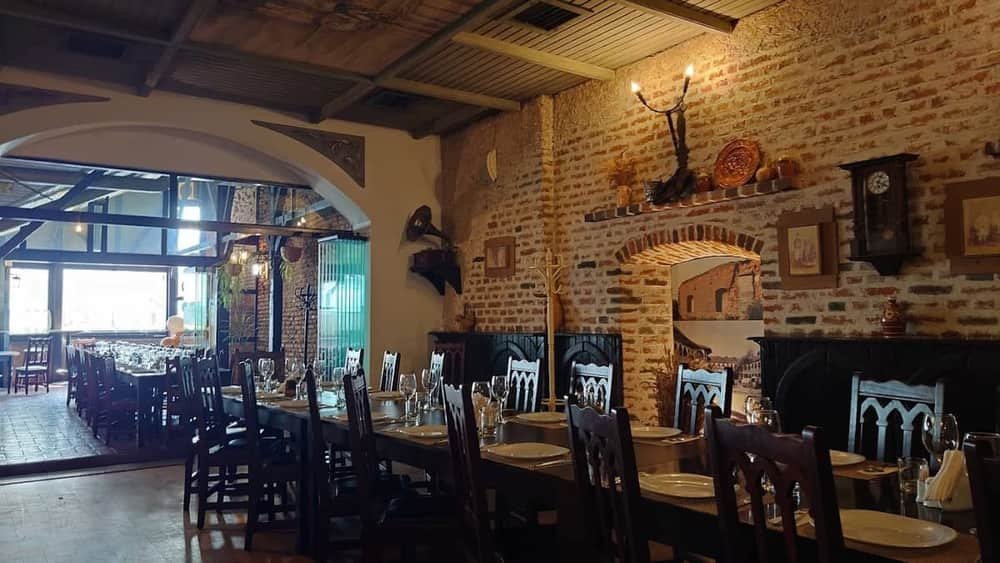
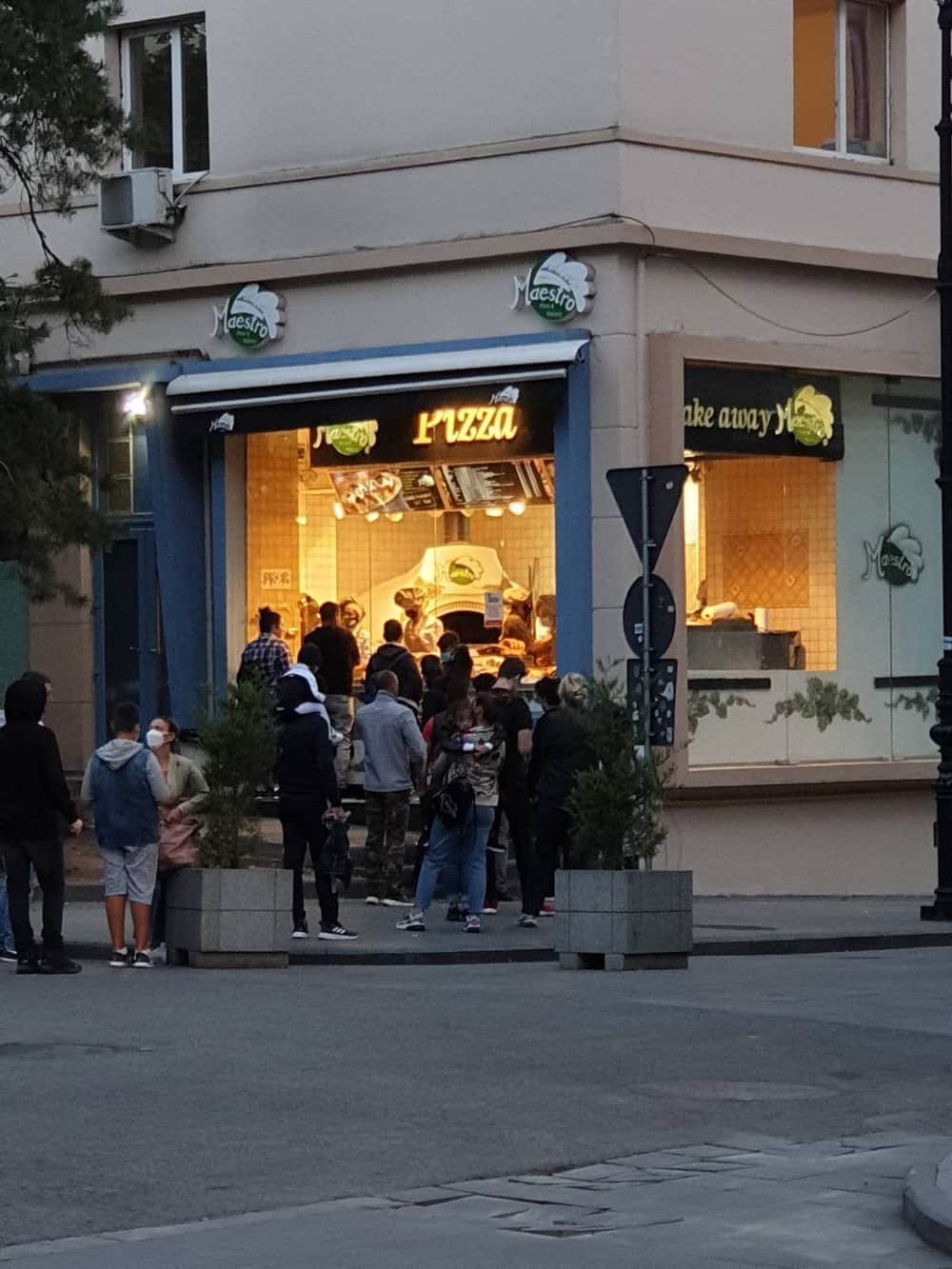
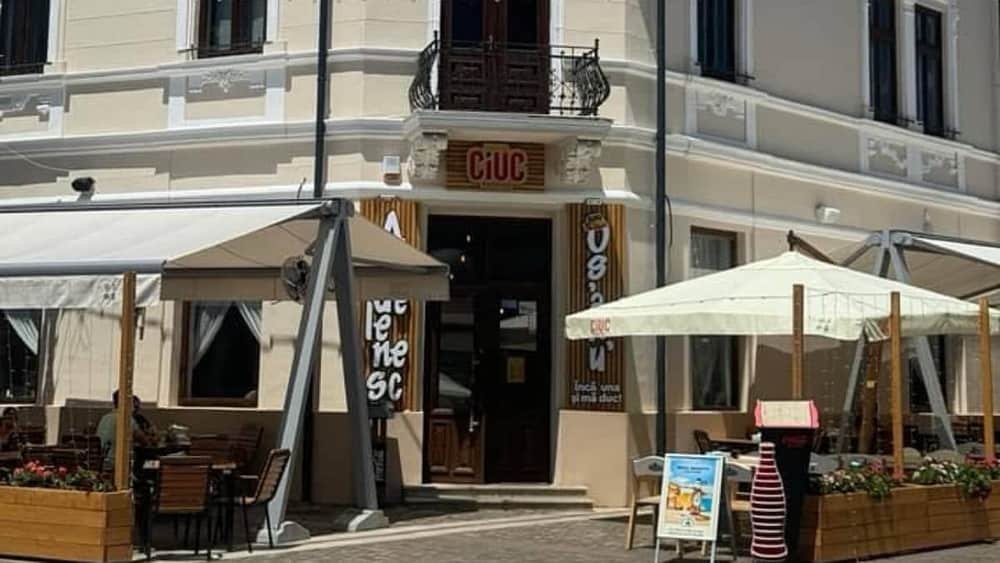
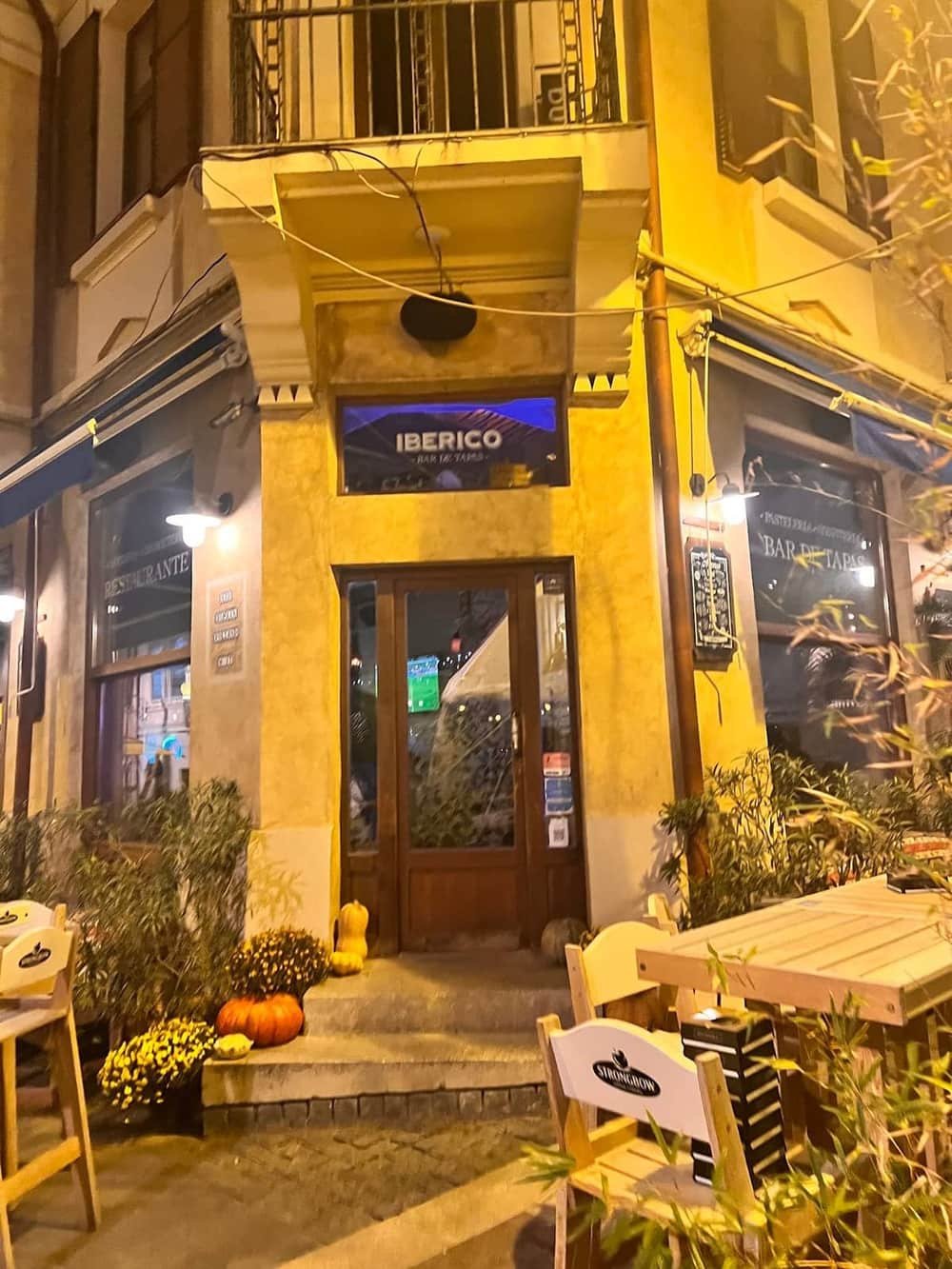
The city's restaurants cook Romanian food well rather than Oltenian food specifically, which is an honest distinction. Casa Ghincea on Madona Dudu is the reference point and the right first dinner. Maestro and Ardelenesc Oșanu' are both on Strada Olteț in the old town, three minutes from Piața Mihai Viteazul. Iberico and Restaurant Olive are the two to know when you want something other than Romanian.
What to look for on the menu, in rough order of how Oltenian it is:
- Tochitură oltenească — the regional version of the pork-and-polenta dish, which is the one most likely to be on a Craiova menu.
- Ciulama de pui cu mămăliguță — chicken in a white flour-and-cream sauce with polenta. Wallachian broadly, Oltenian in practice.
- Cârnăciori oltenești — the local sausages, strongly seasoned.
- Sarmale oltenești — cabbage rolls, with dried *raci* peppers tucked in among them. The heat is gentle and it is the detail that distinguishes them.
- Roșii umplute — tomatoes stuffed with meat or rice, a high-summer dish.
- Purcel la tavă — roast suckling pig, which is a celebration dish and appears at Christmas and Easter rather than on a Tuesday.
- Mâncare de gutui cu piept de pui — quince with chicken breast, which is autumn and is better than it sounds.
Down on the Danube
Saramură de pește is the one dish that is unarguably and specifically Oltenian, and the river is where to eat it. It is fish — carp, most often — grilled hard and then held in a hot brine with garlic and hot pepper, eaten with polenta. The link to the region is not folklore: towns along the Olt and the Danube hold public events built around making the largest *saramură* they can, which is the sort of thing a region only does about a dish it considers its own.
Calafat is 89 km south of Craiova, measured at 1 h 18 min, and Debarcader is the one by the water. Bechet is closer, at 68 km. Neither is a culinary destination in the abstract, but a plate of *saramură* with the Danube in front of you is a better lunch than any of it sounds on paper.
Up in the hills
North of Craiova the food changes with the altitude. Around Horezu, Târgu Jiu and up at Rânca you get dairy, lamb, more polenta, and țuică — plum brandy, which in Gorj and Vâlcea is taken seriously and distilled strong. Guesthouses feed you better than restaurants do here, which is the opposite of the situation in the city. Restaurant Tara Ranca has over three thousand reviews and is the exception at altitude.
Where to stay nearby
Live prices and availability on a map centred on this exact spot — hotels, apartments and hostels, so you can judge the walk from here rather than guess from an address.
Bookings made through this map earn us a commission. Your price is unaffected.
Preserved vegetables, and why they matter more here
Ciolomadă, also called *salată oltenească*, is an autumn preserve — mixed vegetables, put up in large jars and kept in cool cellars, and in many Oltenian villages it was the standard winter vegetable rather than an accompaniment. You will meet it as a side dish without being told what it is.
More generally, murături — brined and soured vegetables — are not a garnish in this part of the country. A winter meal is built around them, and a plate arriving unasked with the bread is normal rather than a courtesy.
What is not Oltenian, despite what you will read
Two corrections worth making, because both get attached to Oltenia by travel writing that is working from a national list rather than a regional one.
Papanași — the fried cheese doughnuts with sour cream and jam — are Moldovan in origin. They are served all over Romania, including in every decent *cofetărie* in Craiova, and they are excellent. They are simply not an Oltenian dish, and anyone telling you to come to Craiova for them has not thought about it.
Ciorbă de potroace — the sour giblet soup with sauerkraut juice — is a general Romanian recipe, strongly associated with the day after a wedding or New Year. It appears in Oltenia as it appears everywhere. It is not a regional marker.
Neither is a reason not to eat them. Both are a reason to be slightly sceptical of lists.
Where the Oltenian cooking actually is
This is the honest part, and it is the thing to understand before planning a trip around food.
Oltenian cooking as described above — the leek, the leaf soups, the souring with unripe grapes, the bread under the bell — is household cooking, and it lives in villages and guesthouses rather than in Craiova's restaurants. The city eats well, and it eats Romanian, and the overlap with the specifically regional repertoire is partial.
So: if you want to taste the region rather than the country, the move is a guesthouse in the hills on a two-day trip — Horezu has eight listed, which is a lot for a town that size — and asking what the kitchen is cooking rather than reading the menu. In the city, eat the restaurants for what they are: good Romanian food in a handsome centre, with terraces that are the best thing about a Craiova summer evening.
What to drink with it
Oltenian wine, and specifically from Segarcea, 29 km south of Craiova and the easiest half-day out of the city. Crama Domeniul Coroanei Segarcea was planted as one of the royal Crown Domains and is the best-known producer in Dolj. The wine page covers the wider region, including Banu Mărăcine on the edge of Craiova itself.
A hard note, because the road back is a main road: Romania enforces a zero-tolerance drink-drive limit. If tasting is the point of the day, the answer is a designated driver or a taxi from Craiova, not moderation.
Țuică, in the north, and it will be stronger than you expect. Craft beer in the city — Craft on Eugeniu Carada is the best-reviewed bar in Craiova and pours local. For coffee afterwards, Coffee Story and Bad Habits, and for a cake in a proper old-fashioned *cofetărie*, Patiseria Eugenia thirty seconds off the main square.
One more thing about the peppers
Those dried *raci* turn up in more than the soup. They go into the sarmale. They go into bean dishes. They are, in a quiet way, the single most Oltenian ingredient there is — a small, hot, dried red pepper that the region prepares its own way and then puts into everything, and whose name means something entirely different in the rest of the language.
If you take one thing home from eating in Oltenia, take a string of them.