
The short version
Craiova has a theatre with an international reputation that is genuinely out of proportion to the city's size. Not a civic amenity that does pantomimes — a company whose productions toured the world's major festivals and whose name appears in English-language theatre criticism without anybody having to explain where Craiova is.
It was founded in 1850. In October 2025 it marked 175 years.
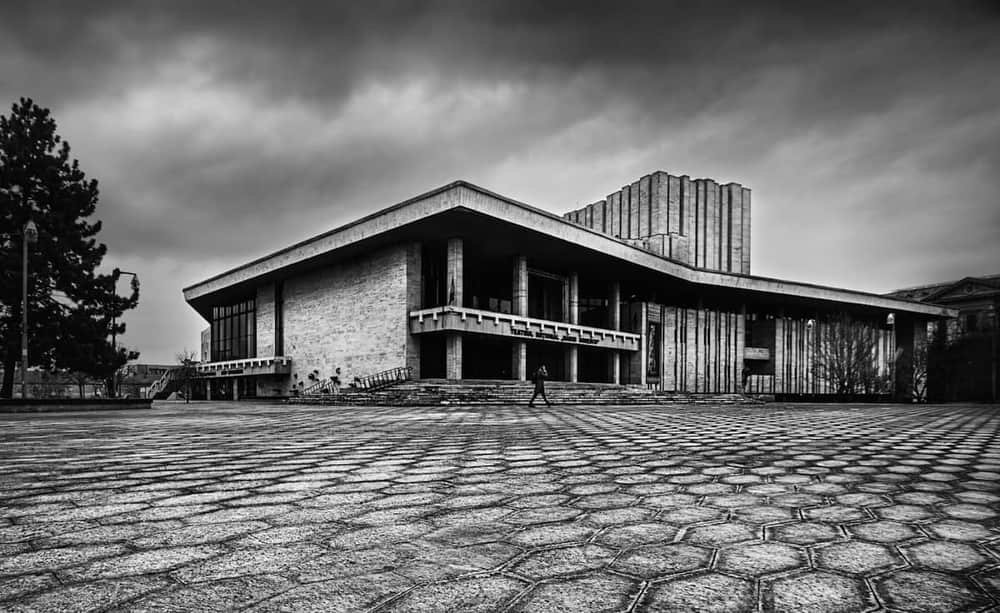
The name, which is recent
For most of its life it was simply the National Theatre of Craiova — the name it carried from 1850 to 1989. It took the name of the poet and playwright Marin Sorescu after the Revolution.
This matters for searching: older books, programmes and archive photographs say "Teatrul Național Craiova" with no surname attached, and they are the same institution.
Places in this piece
Why anyone outside Romania knows it
One answer: Silviu Purcărete.
Purcărete has been closely associated with the company since 1988 — as a director, not as its manager, which is a distinction Romanian sources are careful about and English ones often lose. The productions he made with Craiova in the late 1980s and 1990s are the reason the company's name travelled: large, visually overwhelming, physically fearless stagings of classical texts that went to international festivals and came back with a reputation.
His collaboration with the company has continued across decades — one Romanian account describes a Shakespeare staging as the ninth in a twenty-three-year working relationship with the theatre.
The other answer: Emil Boroghină, who became the theatre's director in 1988 and held the post until 2000, and who is the figure behind the city's Shakespeare festival. The Shakespeare Festival is the clearest practical consequence of all this for a visitor.
| Fact | Detail |
|---|---|
| Founded | 1850 |
| Named "National Theatre of Craiova" | 1850–1989 |
| Renamed for Marin Sorescu | after 1989 |
| 175th anniversary | October 2025 |
| Director 1988–2000 | Emil Boroghină |
| Associated director from 1988 | Silviu Purcărete |
What "a Craiova production" came to mean
It is worth being concrete about the house style, because "internationally acclaimed Romanian theatre" is the kind of phrase that tells you nothing.
The work that travelled was large-cast, image-driven and physically demanding — classical texts handled as spectacle rather than as literature, with crowds, water, fire, smoke and bodies used the way a painter uses paint. A spectator who did not speak a word of Romanian could follow it, and frequently did. That is not a compliment to the surtitles; it is a description of a deliberate method.
The consequence matters for how you read the company today. Craiova did not become known for being a competent regional stage that occasionally got noticed. It became known for a specific aesthetic, exported deliberately, at a moment in the late 1980s and 1990s when very little was being exported from Romania at all.
Where to stay nearby
Live prices and availability on a map centred on this exact spot — hotels, apartments and hostels, so you can judge the walk from here rather than guess from an address.
Bookings made through this map earn us a commission. Your price is unaffected.
What this means if you are visiting
- Check what is on before you plan an evening. A Craiova theatre evening can be a genuinely first-rate piece of European theatre or a perfectly ordinary provincial night — the company's range is wide and the festival years are the peak. See what's on.
- The Shakespeare Festival is biennial. It is the thing to travel for, and it fills the city's beds — see the festival page and book accommodation early if you are coming for it.
- Language. Most productions are in Romanian. Festival programmes carry international companies and surtitling varies; the visual work travels regardless, which is precisely the Purcărete tradition.
The rest of the city's performing arts
Craiova is unusually well equipped for its size, and the theatre is only one of four institutions:
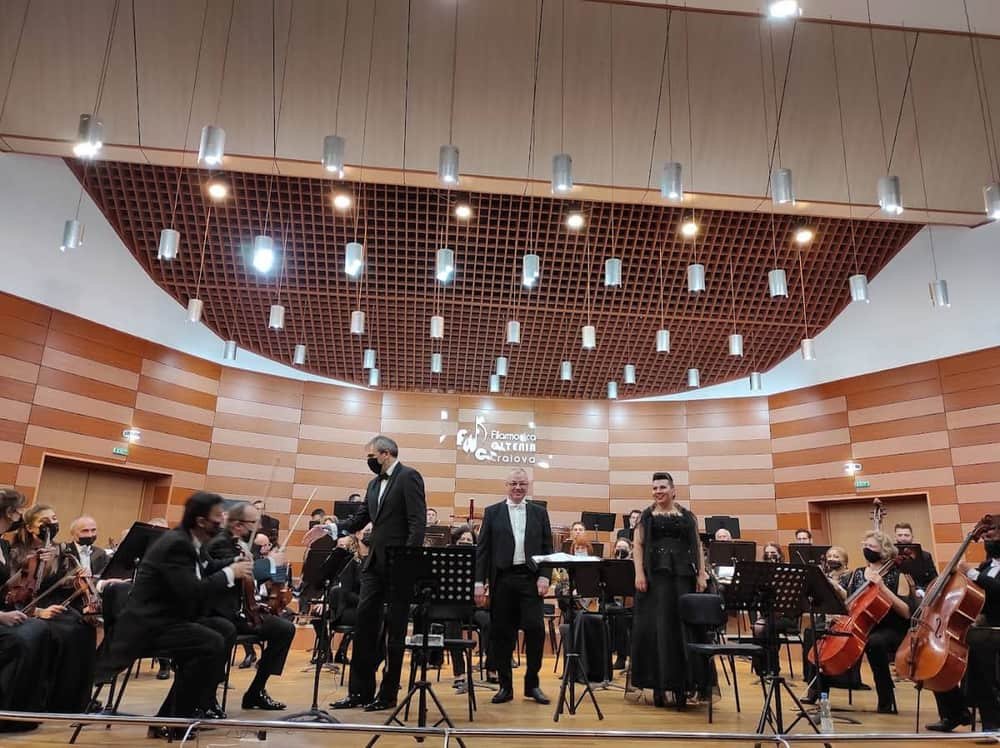
- The Oltenia Philharmonic — the orchestra.
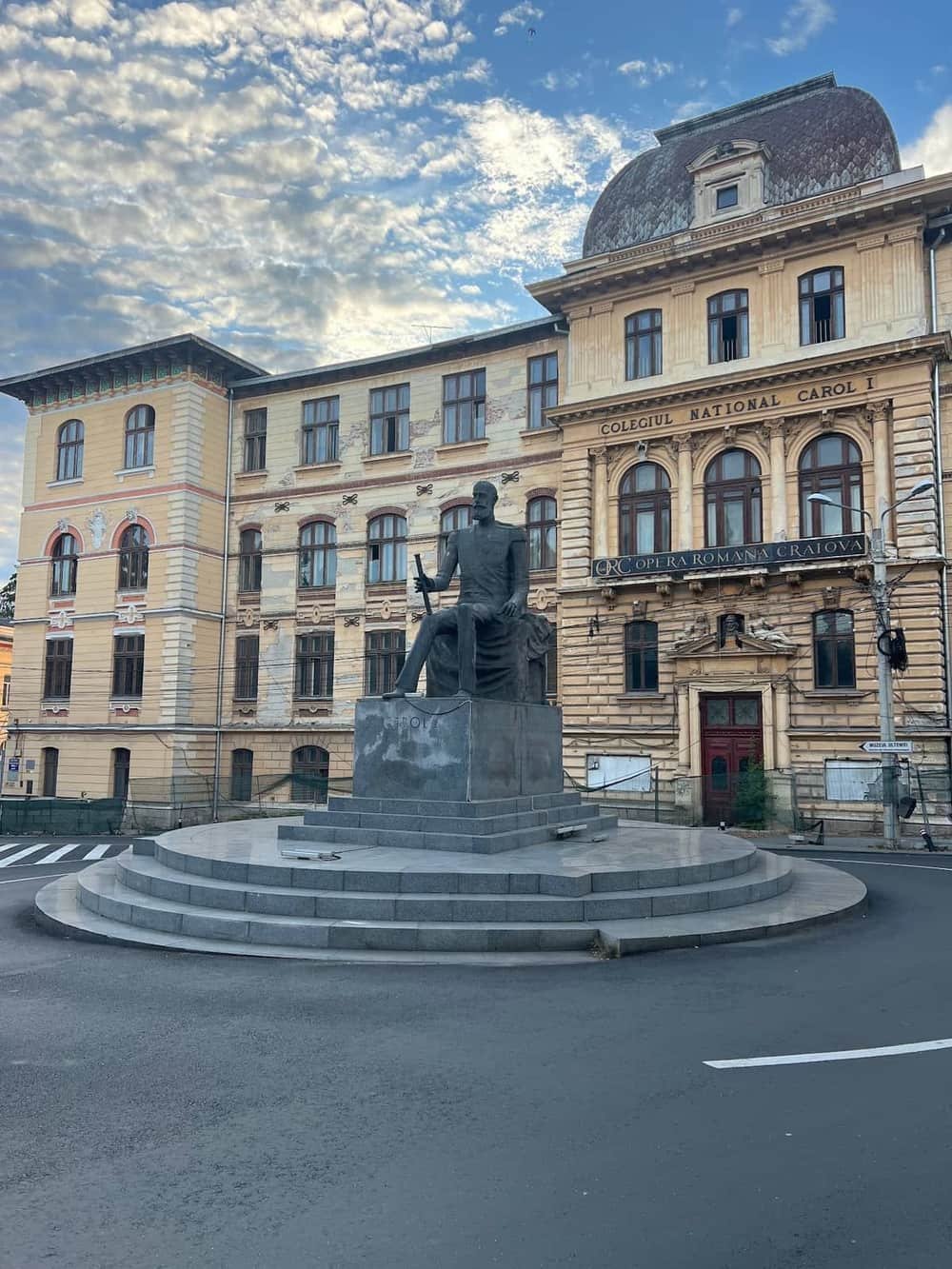
- The Romanian Opera Craiova — opera and ballet.
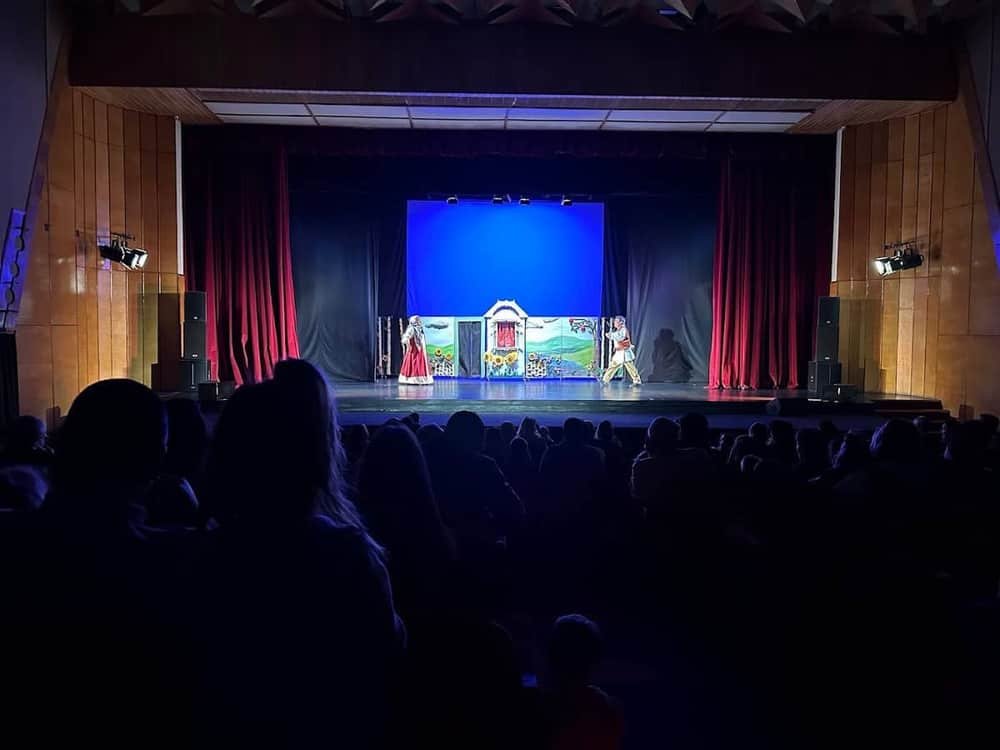
- Colibri Theatre — children and young people, and genuinely good at it. See Craiova with children.
Four performing institutions in a city of this size is a direct inheritance of the period covered in the history of Craiova — a provincial capital that behaved like a capital.
Further reading on this site
Marin Sorescu for the writer the theatre is named after. What to see in Craiova and Craiova at night for the practical evening. The Belle Époque centre for the city that built these institutions in the first place.
*Dates and roles here come from Romanian press agency reporting, international theatre criticism and festival sources; reviewed as a source set in October 2026. Where English sources describe Purcărete as the theatre's manager, they are wrong — he is an associated director.*










