
The short version
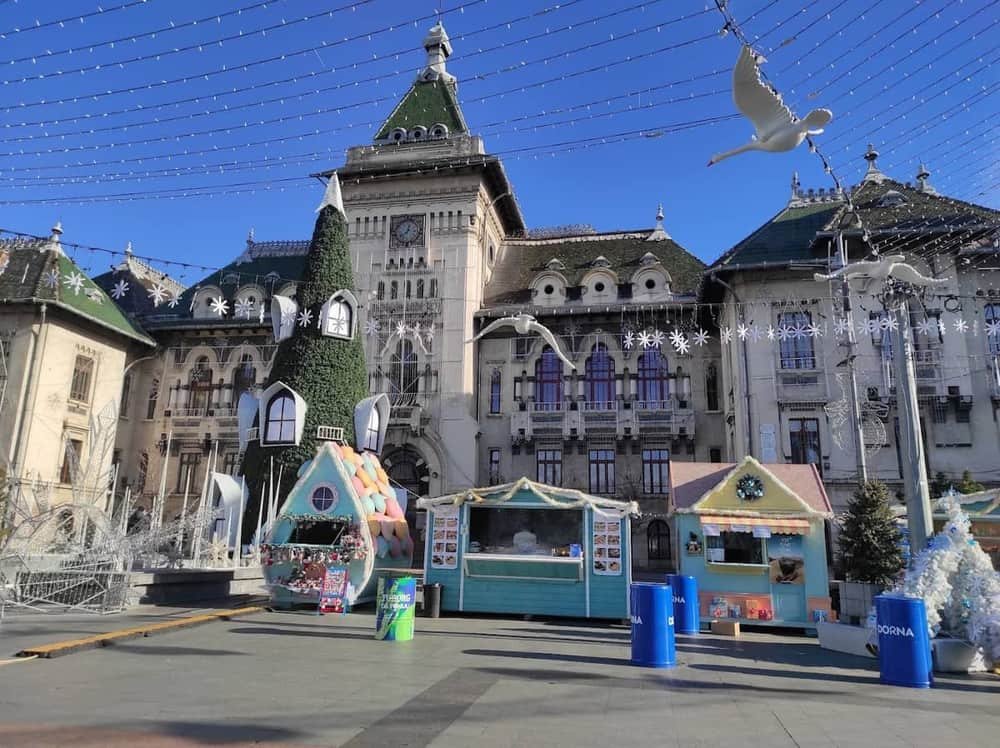
Craiova has more palaces than a city its size has any business having, and they were all built in roughly forty years by roughly the same people, for roughly the same reason: grain money, and the determination not to look provincial.
They are the single most under-sold thing about the city. A visitor who arrives expecting a post-industrial Romanian county capital and walks down Calea Unirii is usually confused for about ten minutes and then converted.
Where the money came from
Oltenia's wealth was agricultural, and in the second half of the nineteenth century it became liquid. Grain moved down to the Danube and out to the world market; the families who controlled that trade built in Craiova; and because they were competing with each other, they built upwards and outwards rather than sensibly.
The Ban and the money of Oltenia covers the older layer of that story — the administrative power that made Craiova the regional capital in the first place.
Places in this piece

The ones to actually see
| Building | What it is now |
|---|---|
| Jean Mihail Palace | the Art Museum — six original Brâncuși |
| Administrative Palace | county administration |
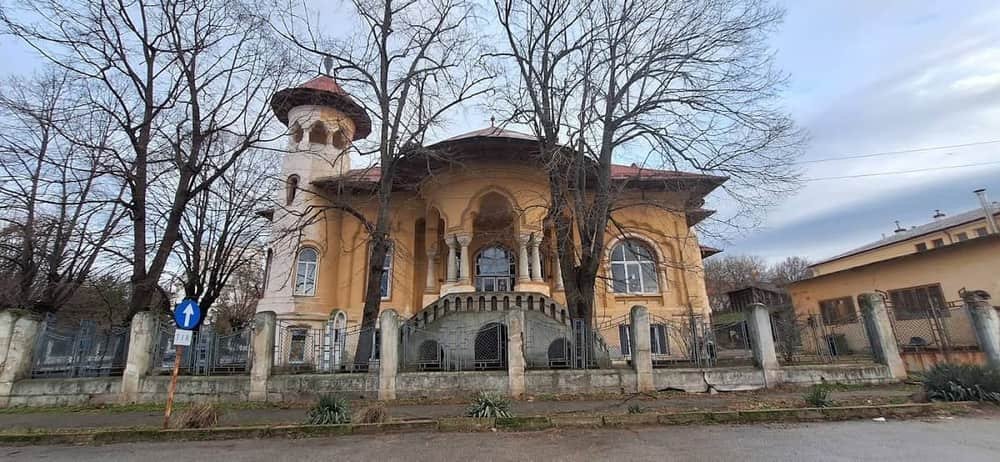
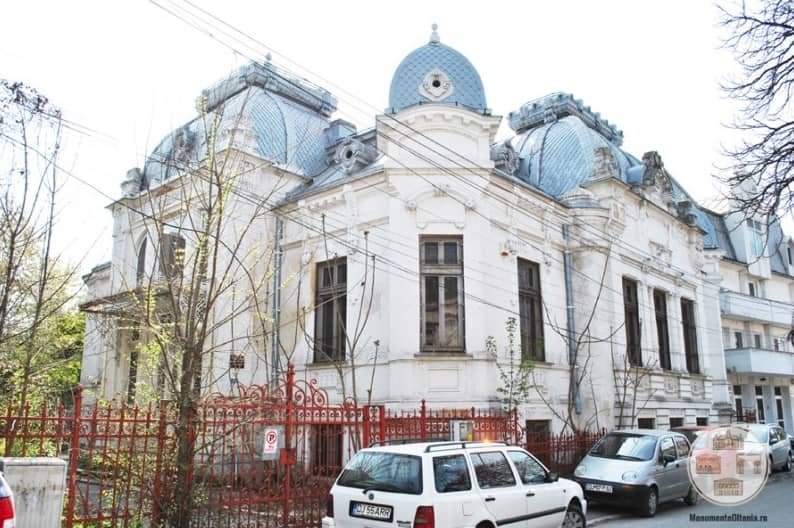
| Palatul Ramuri | a landmark on Calea Unirii |
| Palatul Eracle Marincu | institutional use |
| Casa Dianu | institutional use |
| Casa Băniei | the oldest building in the city, and not a palace at all |
The Jean Mihail Palace is the one to prioritise if you see one. It holds the Art Museum, and the museum holds six original Brâncuși — see Brâncuși in Craiova. A Belle Époque palace with six Brâncuși in it is not a provincial proposition by any standard.
The thing most visitors get wrong
They treat the palaces as a checklist and try to go inside all of them.
Most are in institutional use — county offices, courts, public bodies — which means the interior is either closed or is simply an office. The correct approach is the opposite: walk the street and look up. The palaces were built to be seen from the pavement by people they wanted to impress, and that is still the intended viewing position.
Budget an hour for the walk, not a day for the visits. The one interior that repays a proper visit is the Art Museum.
Where to stay nearby
Live prices and availability on a map centred on this exact spot — hotels, apartments and hostels, so you can judge the walk from here rather than guess from an address.
Bookings made through this map earn us a commission. Your price is unaffected.
Casa Băniei, which breaks the pattern
Casa Băniei is the oldest surviving building in Craiova and belongs to a completely different world from everything else here — centuries earlier, defensive rather than decorative, and connected to the administrative office the city grew around.
It is now part of the Oltenia Museum complex — see the museums — and it is the single best thing to pair with a palace walk, precisely because the contrast is so violent.
Why the centre survived
Partly luck, partly the shape of what came after. The industrial expansion of the 1950s–80s was built beside the old city rather than through it — the works and the districts went north and west, which is why Craiovița Nouă and Brazda lui Novac exist at the scale they do and why the Belle Époque core was mostly left alone.
That is not true of every Romanian city of this size, and it is the main reason Craiova is worth a detour.
What state they are in, honestly
Mixed, and you should know before you come.
Some are immaculate. Some are structurally sound and cosmetically tired. A few are visibly waiting for money that has not arrived, with netting over cornices and shuttered ground floors. This is normal for the building stock of a Romanian county capital and it does not ruin the walk — but a visitor expecting a uniformly restored heritage quarter will be briefly disappointed before they adjust.
Further reading on this site
The Belle Époque centre is the architectural walk. The Art Museum and Brâncuși in Craiova for the one interior that matters most. The history of Craiova and the Ban and the money of Oltenia for why any of this is here.
*This page describes buildings and their current use; it does not publish opening hours or ticket prices, because those change without notice and a wrong one is worse than none. Reviewed October 2026.*










