
The short version
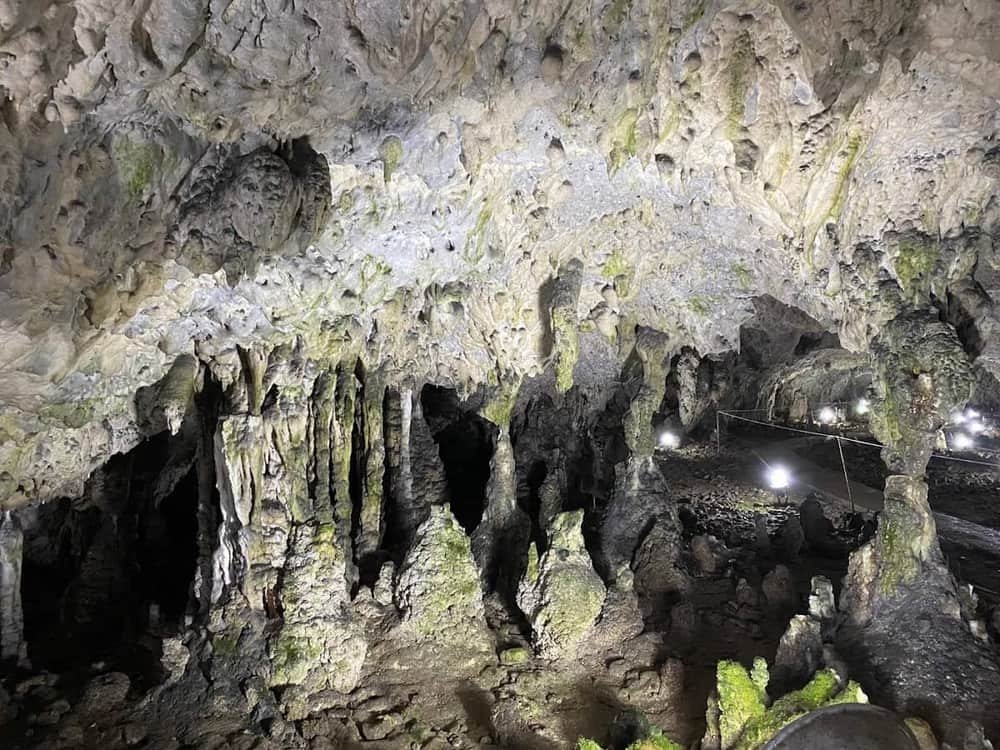
Peștera Muierilor is a cave at Baia de Fier, on the road up towards Rânca, and it is the one place in Oltenia with a genuine claim on world science. The skull found in it — Peștera Muierii 1 — belonged to a woman who died about 35,000 years ago, and in May 2021 her entire genome was sequenced and published in *Current Biology*. Very few complete human genomes older than 30,000 years exist anywhere.
- Guided visits only, along roughly a kilometre of lit gallery. You go when a guide goes, not when you arrive.
- About 10 °C inside, all year. Take a layer, including in August.
- The published information is genuinely unreliable — the cave's own timetable circulates as a photograph of a printed sheet, and the booking sites quote the ticket at anything between 5 and 20 lei with four different closing times. Telephone on the morning you intend to go.
- 119 km from Craiova, measured at about 1 h 53 min, and it pairs naturally with Horezu on the same road.
Checked October 2026. Drive times are measured on the roads. We do not print a ticket price for this cave, and the reason is set out below rather than hidden — see also the prices page.
What the genome actually showed
This is the part worth knowing before you go, because it turns a pleasant cave into something else.
The study — Svensson and colleagues, *Current Biology*, May 2021 — sequenced the whole genome from the Peștera Muierii 1 skull. Three findings matter:
Her genetic diversity was high. High enough that the migration out of Africa cannot have been the great bottleneck in human genetic history. The bottleneck came later — during and after the last Ice Age. That is a substantial correction to a story most of us learned the other way round.
She is not a direct ancestor of modern Europeans. She is a predecessor of the hunter-gatherers who lived in Europe until the end of the last Ice Age. The lead author put it as: a bit more like modern Europeans than the people in Europe five thousand years earlier, but not in our direct line.
The Neanderthal assumption was wrong. Earlier researchers had noticed that her cranium has features resembling both modern humans and Neanderthals, and had inferred she carried more Neanderthal ancestry than her contemporaries. The genome shows a much smaller difference than that — the skull shape was misleading.
There is no interpretive centre at the cave making any of this clear to you. Which is why it is here.
Places in this piece

Visiting, honestly
It is a guided walk of about a kilometre through lit gallery. That means you wait for a guide, and in low season that wait can be substantial. It also means you cannot wander, which for a cave of this significance is the right call.
It is about 10 °C inside at every season. In August, walking in from a 30 °C afternoon, that is a startling and extremely welcome pleasure — and it is the single best argument for this trip in high summer. Take a layer anyway; an hour at 10 °C in summer clothes stops being fun.
Shoes with grip. Lit gallery still means wet stone.
Why we will not print the price
Because we cannot source it, and this cave is the clearest example on the whole site of why that matters.
The cave's own timetable circulates as a photograph of a printed sheet rather than as text on a page. The aggregator and booking sites quote the adult ticket at anywhere between 5 and 20 lei, with four different closing times between them. We checked; they do not agree with each other and there is no authoritative version to prefer.
So the honest advice is the one a local would give you: ring the cave the morning you intend to go, ask when the next guided walk leaves and what it costs, and treat anything you read online — including on this page — as a guess. A two-hour drive to a locked door is the specific failure this paragraph exists to prevent.
This is not unusual in Oltenia. It is the normal condition, and it is why the prices page on this site is nearly empty by design.
Where to stay nearby
Live prices and availability on a map centred on this exact spot — hotels, apartments and hostels, so you can judge the walk from here rather than guess from an address.
Bookings made through this map earn us a commission. Your price is unaffected.
Getting there
119 km from Craiova, measured at about 1 h 53 min. North, then north-east, on the road that continues up to Rânca and the Transalpina.
There is no useful public transport. This is a car trip. Craiova without a car sets out which Oltenian destinations are reachable without one — this is not among them.
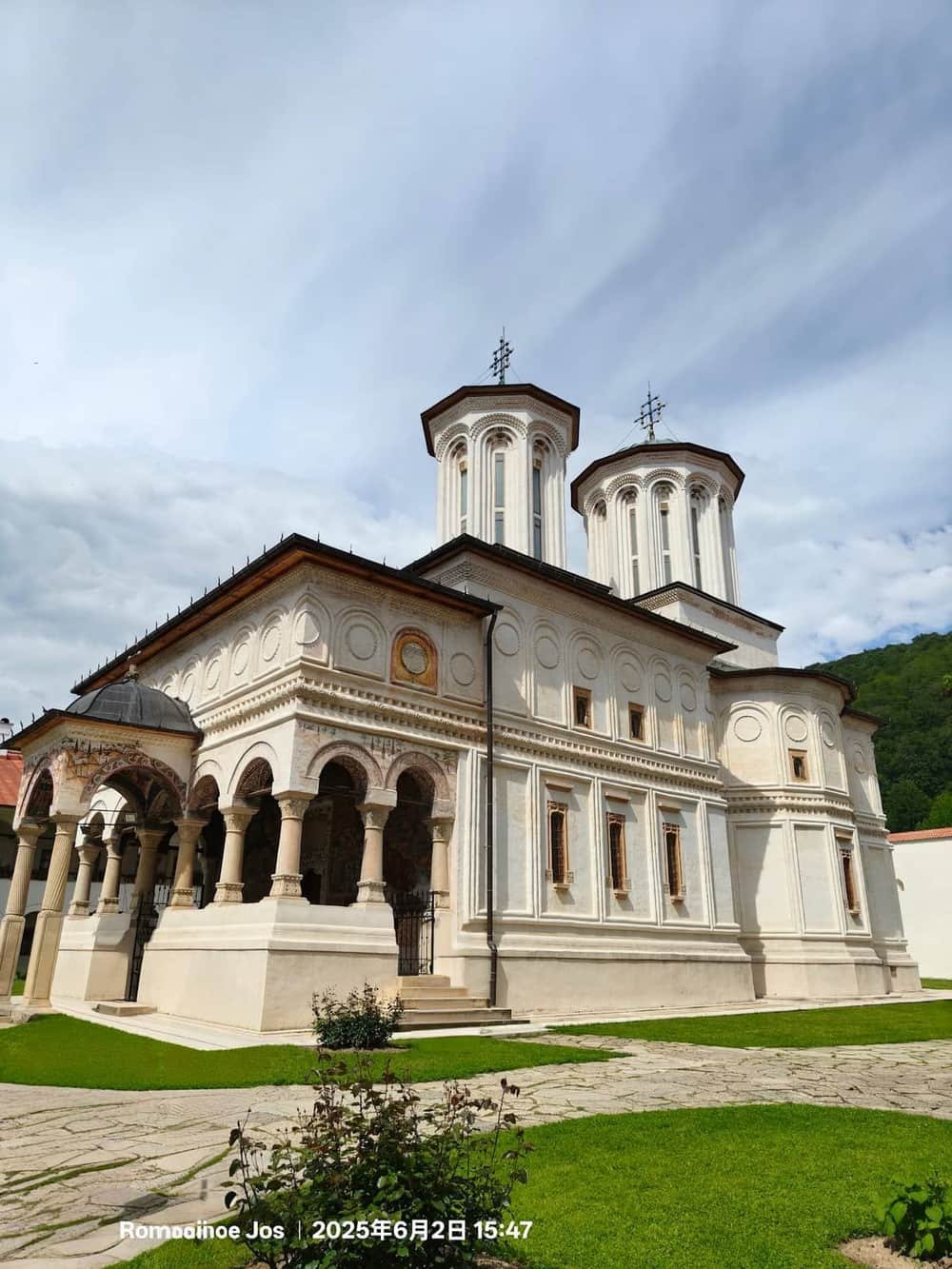
What to pair it with. The cave sits naturally with Horezu, 113 km from Craiova, where Hurezi Monastery has been on the UNESCO list since 1993 and the potters are in the village and along the road. The two together make a full and genuinely good day.
It also sits on the way to Rânca at 1,600 m, 134 km and a measured 2 h 15 min from the city — which in July and August, when Craiova averages a high of 30.0 °C, is the proper escape. Cave in the morning, mountain in the afternoon, both ten to fifteen degrees cooler than the plain. See beating the summer heat.
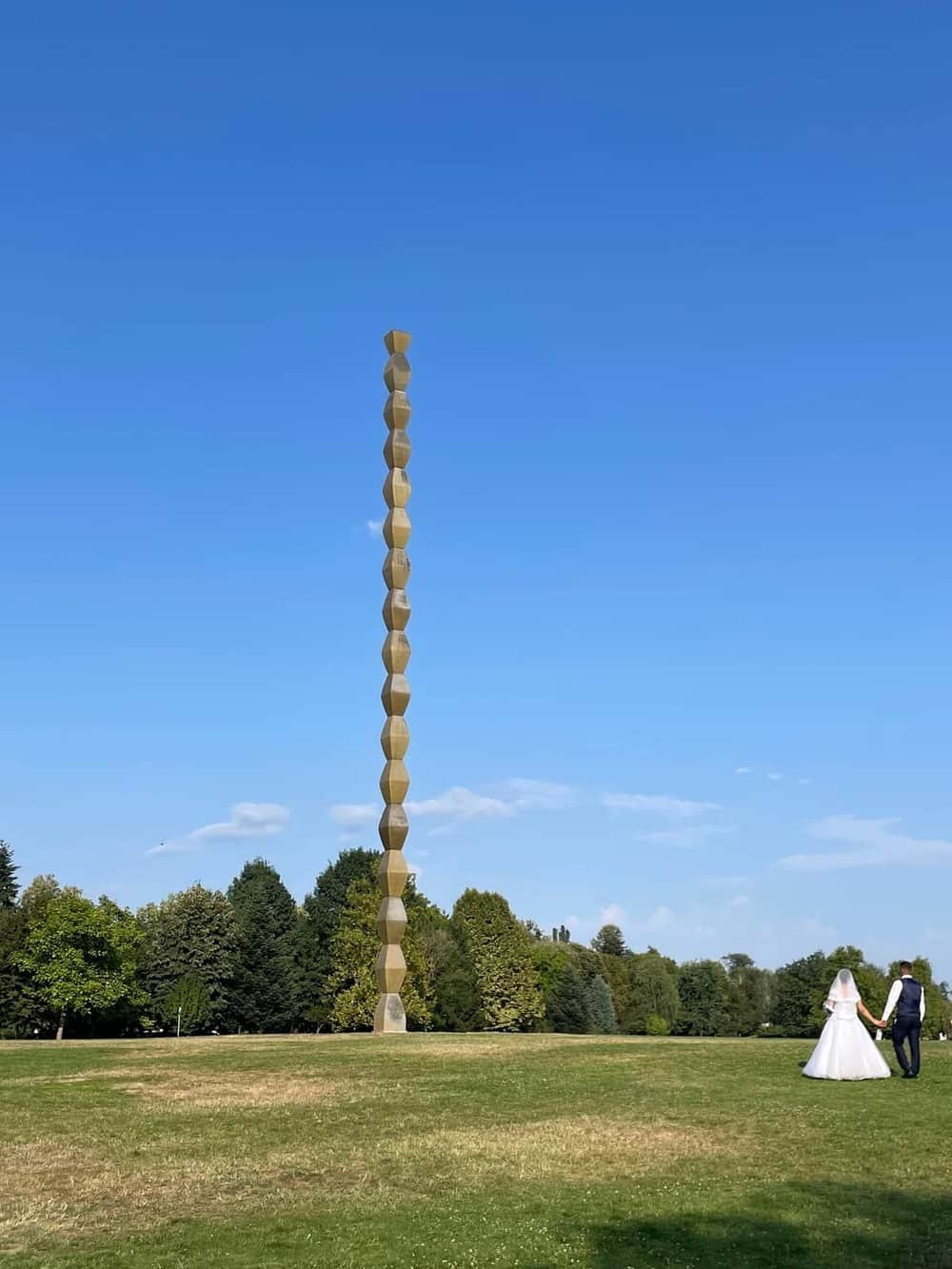
What not to pair it with. Târgu Jiu and the Brâncuși ensemble. They are two hours away on the opposite side of Craiova, and people try. Pick one side of the region per day — two days in Craiova explains the geometry.
With children
It works, and it is one of the few Oltenian day trips that does. A cave sells itself, the walk is about a kilometre on made-up footing, and the temperature is a novelty rather than a hardship.
Three honest warnings: the wait for a guide can be long and is the part children mind; layers are not optional; and if the morning phone call says the next walk is in ninety minutes, you need a plan for ninety minutes in Baia de Fier, which is a village. Craiova with children has the alternatives.
What is nearby if the cave is closed
This is a real scenario, given the above, so it is worth having an answer.
Horezu is the obvious fallback and is close. Eight guesthouses, two restaurants with proper review counts — Proper Pizza & Pasta holds a 4.8 — and the ceramics, which are a UNESCO intangible heritage listing in their own right since 2012.
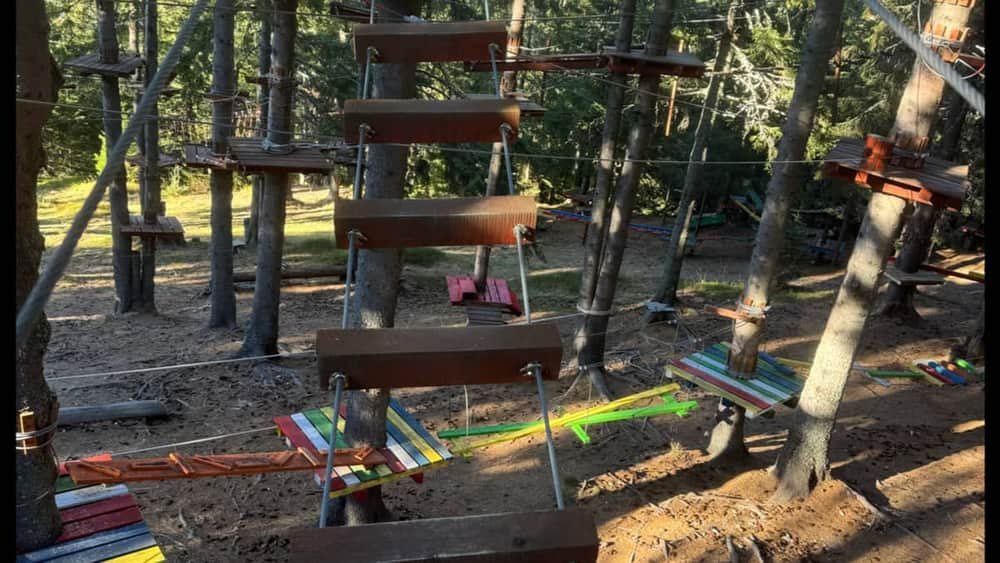
Parc Aventura Rânca further up, if the weather is good and the children are the reason for the day.
The drive itself. The road from Craiova north into Gorj and Vâlcea is the better half of this trip in autumn, and the Transalpina beyond Rânca — open over the Urdele pass in summer, closed by order for winter — is one of the genuinely great drives in Romania.
The one-sentence version
A cave with a thirty-five-thousand-year-old genome in it, an hour and fifty-three minutes from Craiova, that publishes its opening hours as a photograph. Ring first; go anyway.










