
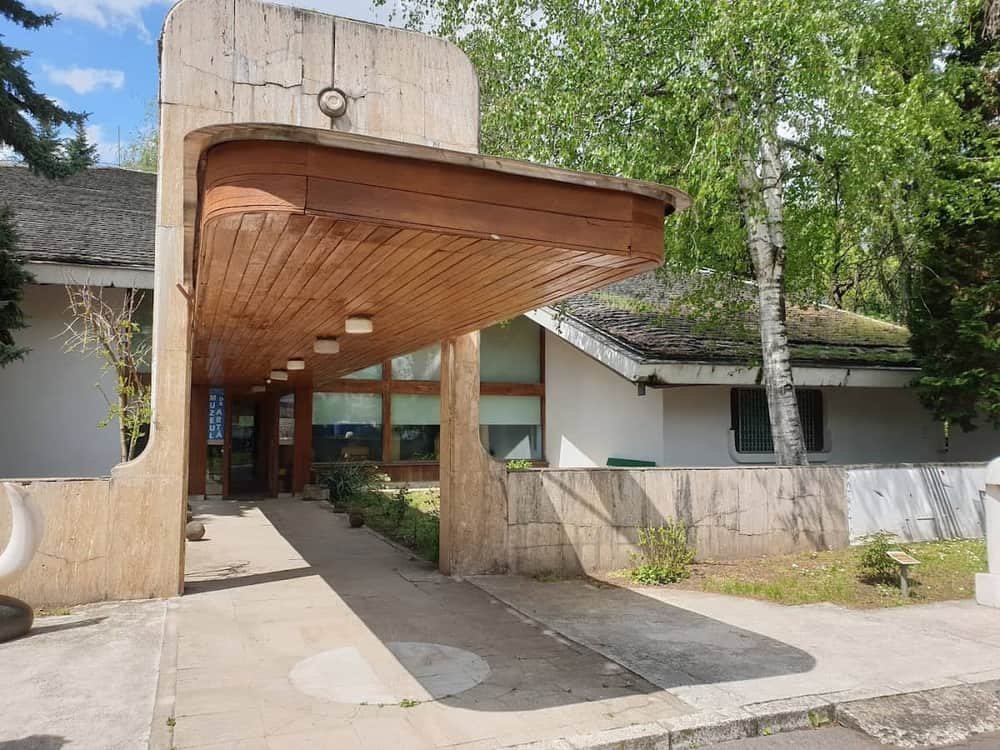
The short version
Craiova has one museum of genuine international standing and several good regional ones, and the gap between them is worth knowing before you spend a morning.
The Art Museum holds six original Brâncuși works, including The Kiss, in the Jean Mihail Palace on Calea Unirii. That is the one. Everything else here is worth an hour if you have the time.
One warning that applies to nearly all of them: Craiova's museums do not publish timetables you can rely on. Opening hours change seasonally and over holidays, and none of them maintains a public schedule we would be willing to print with a date. Ring before you plan a morning around one. That is not a complaint about this city specifically — it is true across Oltenia, and the Oltenia page says the same thing about everything in the region.
The Art Museum — the reason to come
The palace alone would be worth the entry: the Jean Mihail Palace is the most complete Belle Époque interior in the city, built when Oltenia's landowners had money and spent it on French architects.
Inside are six Brâncuși originals. Brâncuși studied in Craiova, which is why they are here and not in Bucharest, and an hour north at Târgu Jiu stands his monumental ensemble — on the UNESCO list since 2024. Seeing the small works here and the 1.5 km axis there on the same trip is the single best thing this part of Romania offers, and almost nobody does it.
The Art Museum guide has the full version; Brâncuși in Craiova has the route that links both.
Allow an hour. It is not a large collection and it does not need to be.
Places in this piece

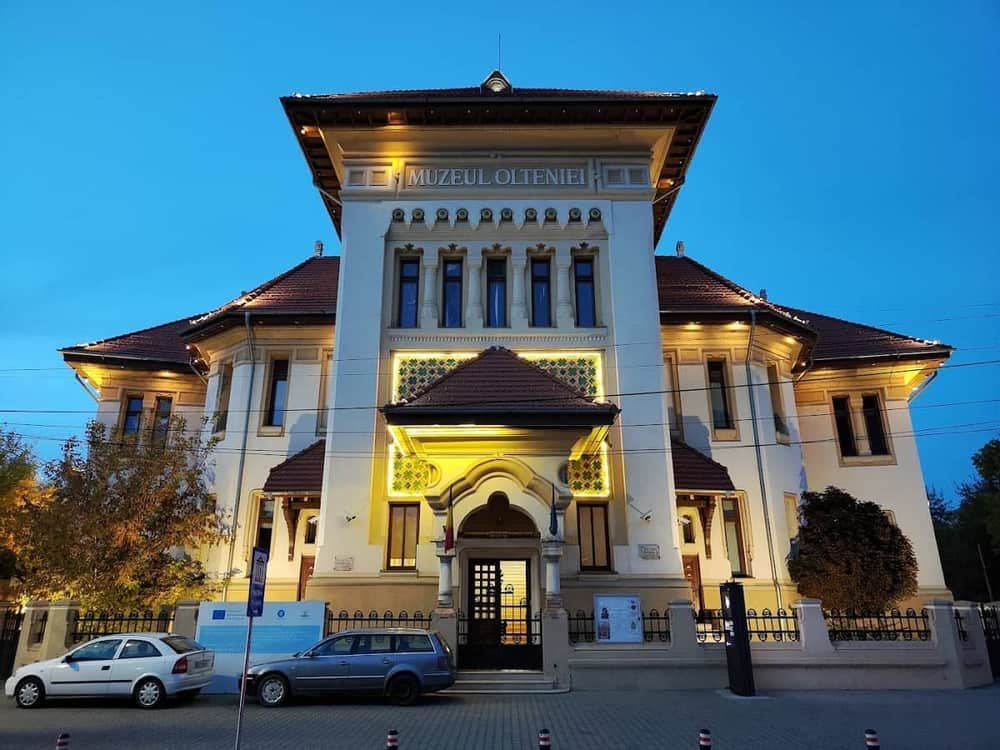

The Oltenia Museum — three buildings, three subjects
The regional museum is split across sites, which confuses people:
History and Archaeology — the main one, covering the region from prehistory onward. Useful context if you are going on to Drobeta, where the Roman material is.
The Ethnographic Museum, in the Casa Băniei — and the building is the point. It is the oldest civil building in Craiova, and the collection inside is Oltenian rural life: textiles, tools, interiors. Casa Băniei and the Oltenia Museum covers both.
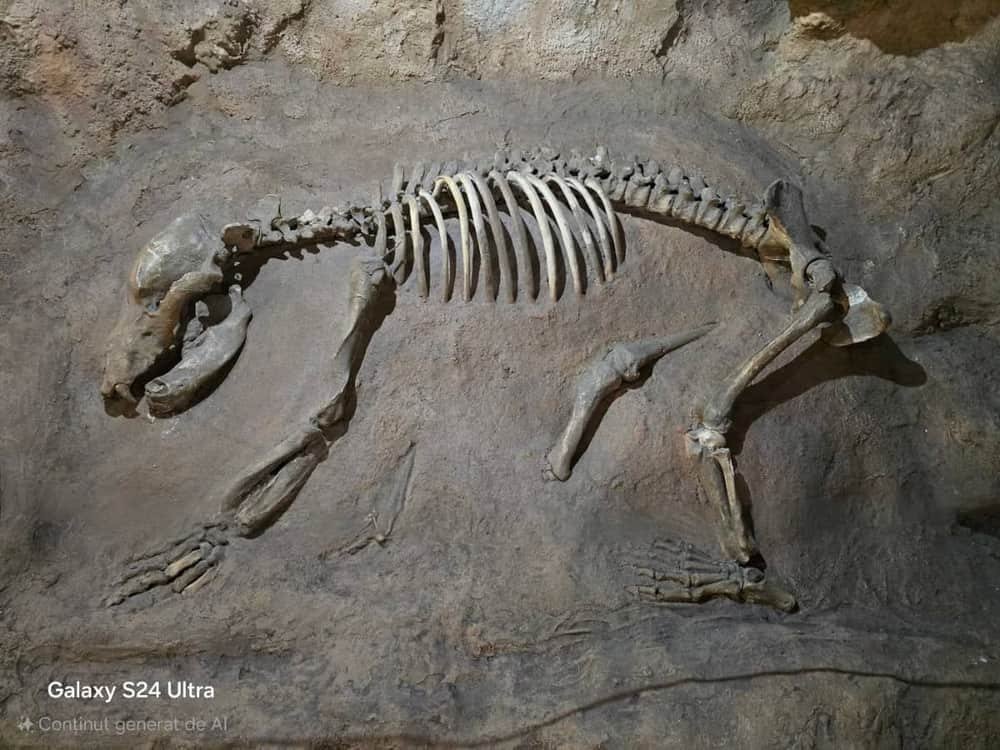
Natural Sciences — the department that works with children, and the one to pick if that is the audience. Craiova with children.
Where to stay nearby
Live prices and availability on a map centred on this exact spot — hotels, apartments and hostels, so you can judge the walk from here rather than guess from an address.
Bookings made through this map earn us a commission. Your price is unaffected.
The ones people miss
Muzeul Vicșoreanu — a smaller, more personal collection that rarely appears in guides.
The Jean Mihail Palace as a building in its own right, and Palatul Ramuri nearby — both part of the Calea Unirii architectural set, and both better understood on a walk along Calea Unirii than as separate visits.
A sensible museum morning
If you have one morning: the Art Museum, then coffee on Calea Unirii. That is it. Do not try to add a second — the Brâncuși room deserves more attention than a schedule allows.
If you have a wet day: Art Museum, lunch, Casa Băniei. Craiova in the rain has the rest of the indoor list, including the cinemas and the theatres.
If you have children: Natural Sciences, then a park. Playgrounds and parks.
Outside the city
The regional museums are a genuine reason to drive, and two of them are better than anything in Craiova for their subject.
The Iron Gates Region Museum at Drobeta, 113 km — Roman Dacia, Trajan's bridge, and the Danube. The piers of the bridge are still in the water outside. Trajan's bridge at Drobeta.
The Gorj County Museum at Târgu Jiu, 110 km — and you are there for the Brâncuși ensemble anyway.
Peștera Muierilor, 119 km, is not a museum but belongs on this list: a skull found there produced a **whole genome published in *Current Biology* in May 2021**, which makes it one of the significant prehistoric sites in Europe. The cave guide.
Every distance above is measured from Piața Mihai Viteazul and dated on the Oltenia page.
Tickets and hours, honestly
We do not publish entry prices for Craiova's museums, because none of them maintains a public price list we can date, and a confident wrong number is worse than an honest gap. They are not expensive.
Mondays are the traditional closing day in Romanian museums, but do not rely on that either. Public holidays close or shorten almost everything — the holidays page has the calendar, and Craiova at Easter covers the week that catches most visitors.
Ring. It is the only reliable method, and it is why every museum entry in the attractions listing carries a phone number.









