The short version
Craiova has two shopping centres, one pedestrianised shopping street, and a market tradition that is more interesting than either.
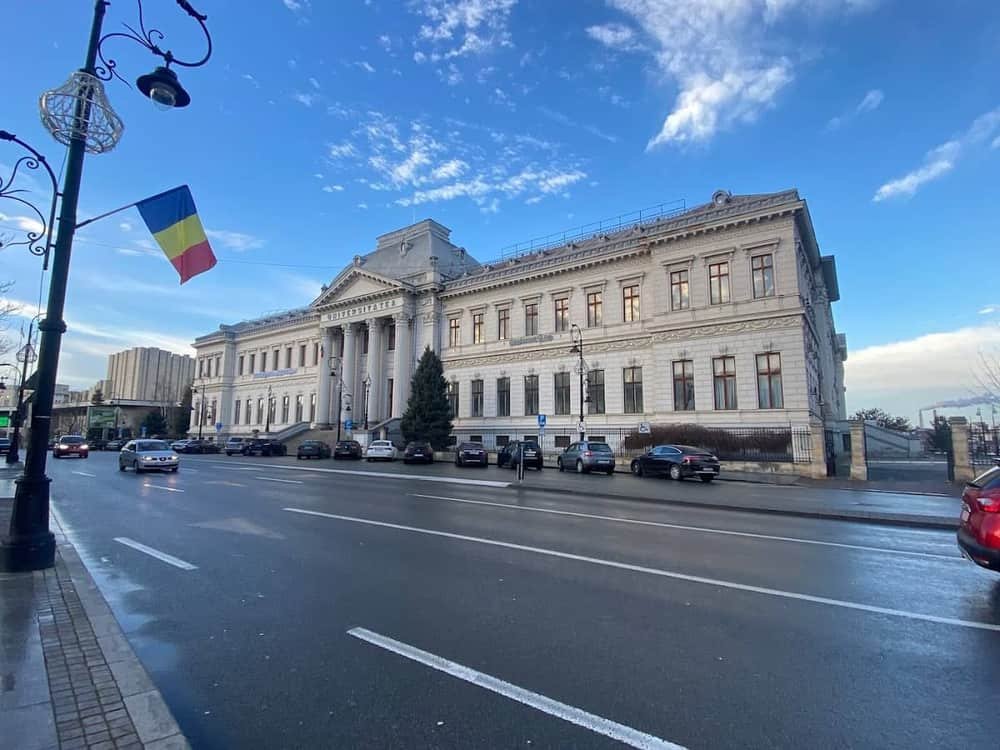
Calea Unirii is the street. Mercur Center, on Calea Unirii itself, is the central shopping centre — small, convenient, with a cinema on the top floor. Electroputere Parc, on Calea București to the east, is the large one, built on part of the site of the heavy-electrical works that gave it its name.
That is the whole retail geography, and the useful consequence is this: Mercur is for convenience, Electroputere is a destination. Choose by whether you want to fold shopping into a walk or make a trip of it.
What is actually worth buying
Most of what is on sale here is on sale everywhere, so the question is what is regional.
Horezu pottery is the answer with the strongest claim: the craft was recognised by UNESCO in 2012 — the craft, not the pots, which is a distinction worth understanding before you buy. Horezu ceramics explains it, and Horezu itself is 113 km away if you want to buy where it is made rather than from a shelf.
Oltenian wine, and specifically Segarcea at 29 km — the Crown Estate, close enough to be an afternoon. Southern Oltenia is warm enough to ripen Cabernet Sauvignon, Merlot and Fetească Neagră, which is unusual in Romania. The wine page and Segarcea and the Crown Estate.
Food to carry home — the detail, including what travels and what does not, is in what to buy from Oltenia.
What we would not bother with: generic "traditional" souvenirs, which here as everywhere are made somewhere else.
The markets
The *piață* is where Craiova actually shops for food, and it is a different experience from the supermarket attached to a shopping centre.
Go in the morning. Markets here thin out through the day and the good produce goes early — this is true across Romania and it is not a cliché.
Seasonality is real. Oltenia is agricultural country and the plain produces heavily; what is on the stalls in August is not what is there in February, and the difference is much sharper than in a western city.
Cash. Card acceptance at market stalls is improving but not universal. Money and payments covers the general picture.
Before Easter and before Christmas the markets are the point of the week — Craiova at Easter and the Christmas market, which is a different thing entirely: a seasonal event in Piața Mihai Viteazul rather than a food market.
Where to stay nearby
Live prices and availability on a map centred on this exact spot — hotels, apartments and hostels, so you can judge the walk from here rather than guess from an address.
Bookings made through this map earn us a commission. Your price is unaffected.
The December exception
For seven weeks a year the retail answer changes completely, because the Christmas market takes over Piața Mihai Viteazul from 13 November to 3 January — a fortnight before Sibiu, Bucharest and Brașov open theirs.
That matters for shopping in two ways. The stalls sell things the shops do not, which is the point of a market; and the centre's circulation changes, with part of it closed to traffic and the walking routes rearranged around the huts. Getting to the market and parking is the practical version.
The fortnight from 13 November is the best window — full market, no crowd, and off-season prices everywhere else in the city. Why Craiova opens first.
Opening hours, honestly
Sundays are quieter and some independent shops do not open at all.
Public holidays close most things. The shopping centres reduce hours rather than shutting, which makes them the reliable fallback — Craiova on public holidays has the pattern and the holidays page has the calendar.
We do not publish shop hours. Nothing in this city maintains a public timetable we would print with a date, which is the same reason the museums page tells you to ring. For places we do list — restaurants, cafés, pharmacies — the open/closed state is computed live from each one's own pattern.
Where the shops are, by area
The centre is the only part that rewards browsing on foot: Calea Unirii, the lanes of the old town around Traian Demetrescu, and Mercur. Everything is within fifteen minutes. The centre page.
Calea București, east, is where Electroputere Parc is — a drive or a bus rather than a walk.
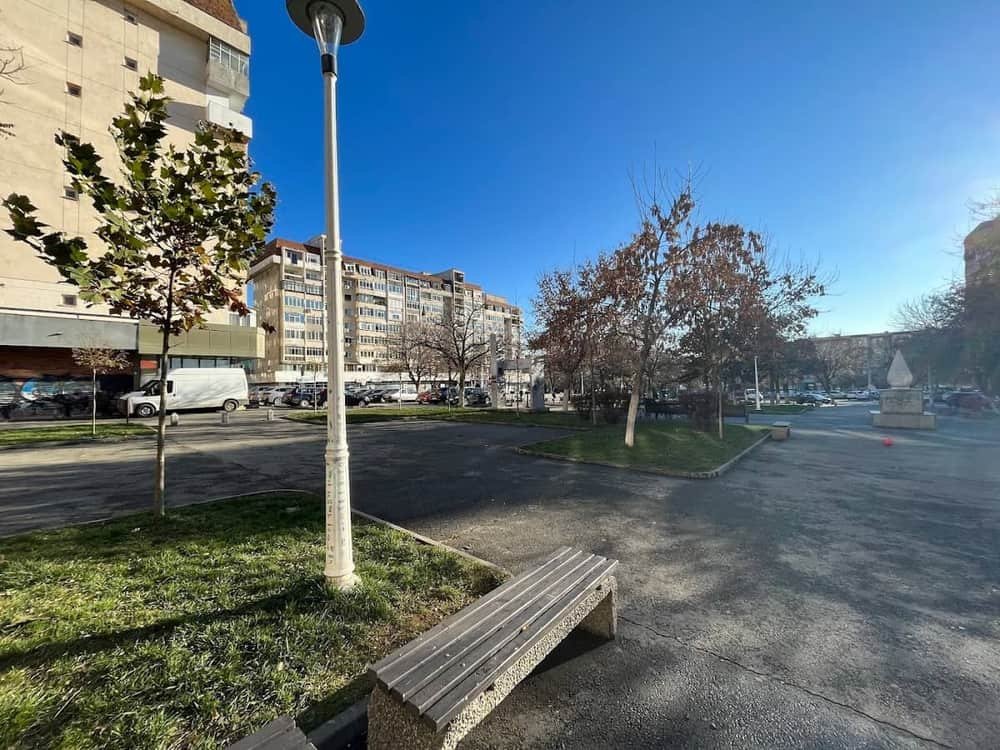
The neighbourhoods — Craiovița Nouă, Rovine, Brazda lui Novac — have commercial ground floors throughout, which is why they are more self-sufficient than a western suburb. Socialist-era Craiova explains why they were built that way.
Practical
Parking. The centre is paid and contested, and in December partly closed for the market. Park once and walk — where to park.
For anything that is a service rather than a purchase — a dentist, a garage, a salon — local businesses lists them by category with addresses and live opening status.
For everyday prices, the prices page carries what we could source with a date, and what a Craiova trip costs is the trip-level version.