Who this city suits
Craiova works for people who earn elsewhere and live here, and the arithmetic is the reason. It is among the cheaper major Romanian cities for housing and everyday spending, noticeably below Bucharest and Cluj — and local salaries are lower to match, so the advantage only exists if your income is not tied to the local market. The cost of living in Craiova sets out the shape without inventing numbers.
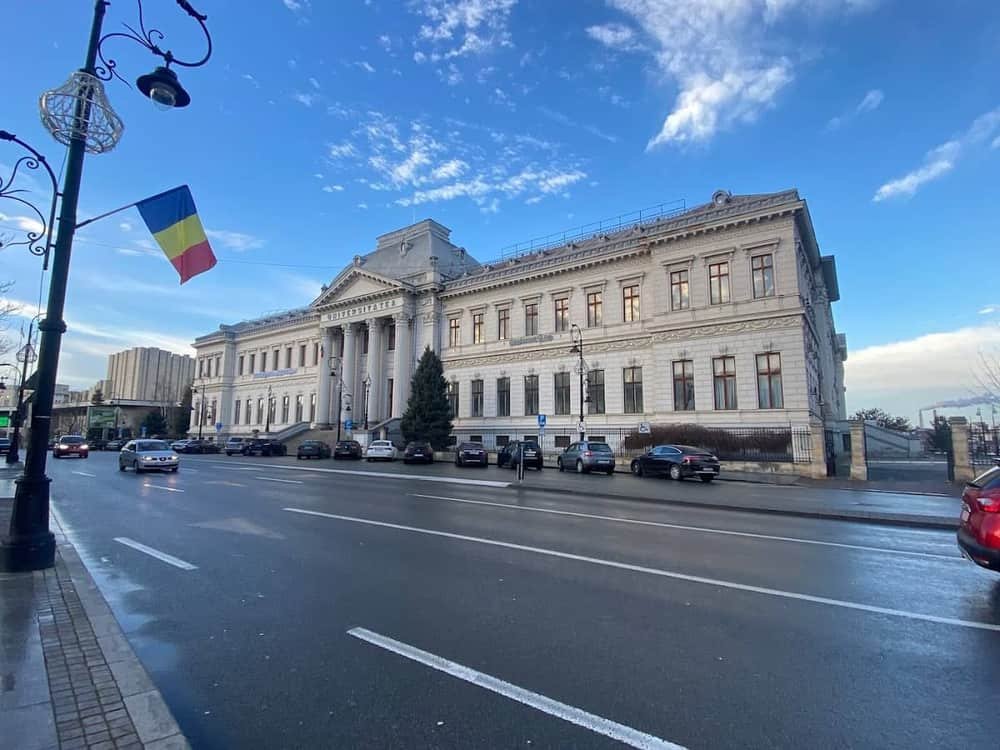
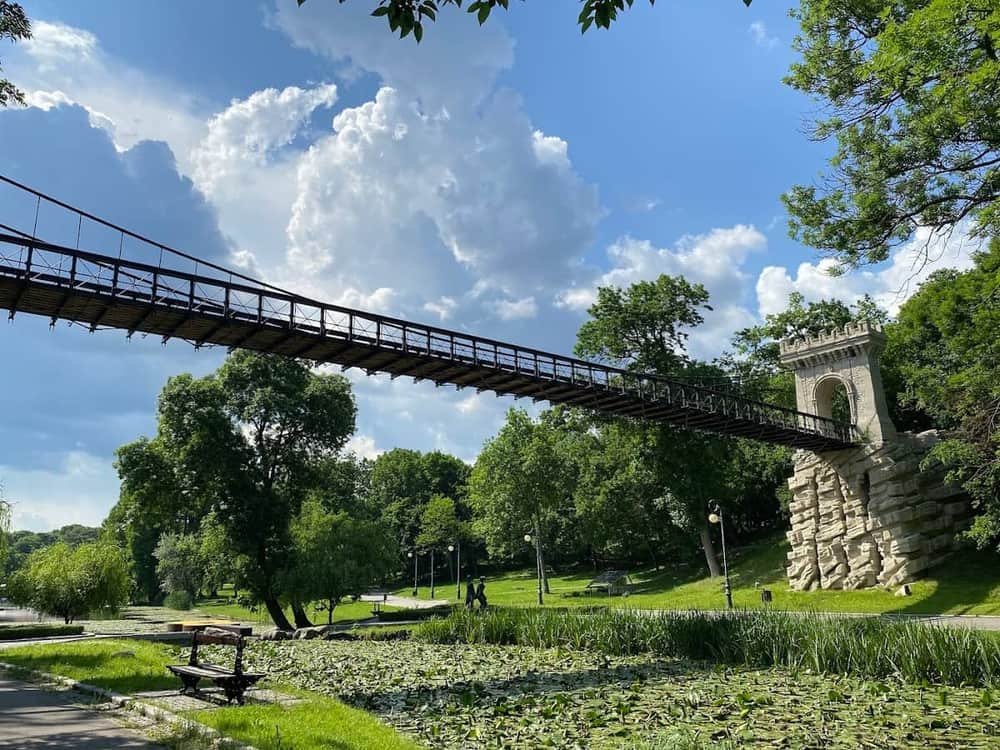
It also suits people who want space and quiet rather than scene. There is a university, a national theatre with an international reputation, and a 96-hectare park. There is not a large international community, and English is less widely spoken than in Cluj or Bucharest. Both of those cut in whichever direction you want them to.
The first week
Get a Romanian phone number and a bank account, in that order, because the second usually wants the first.
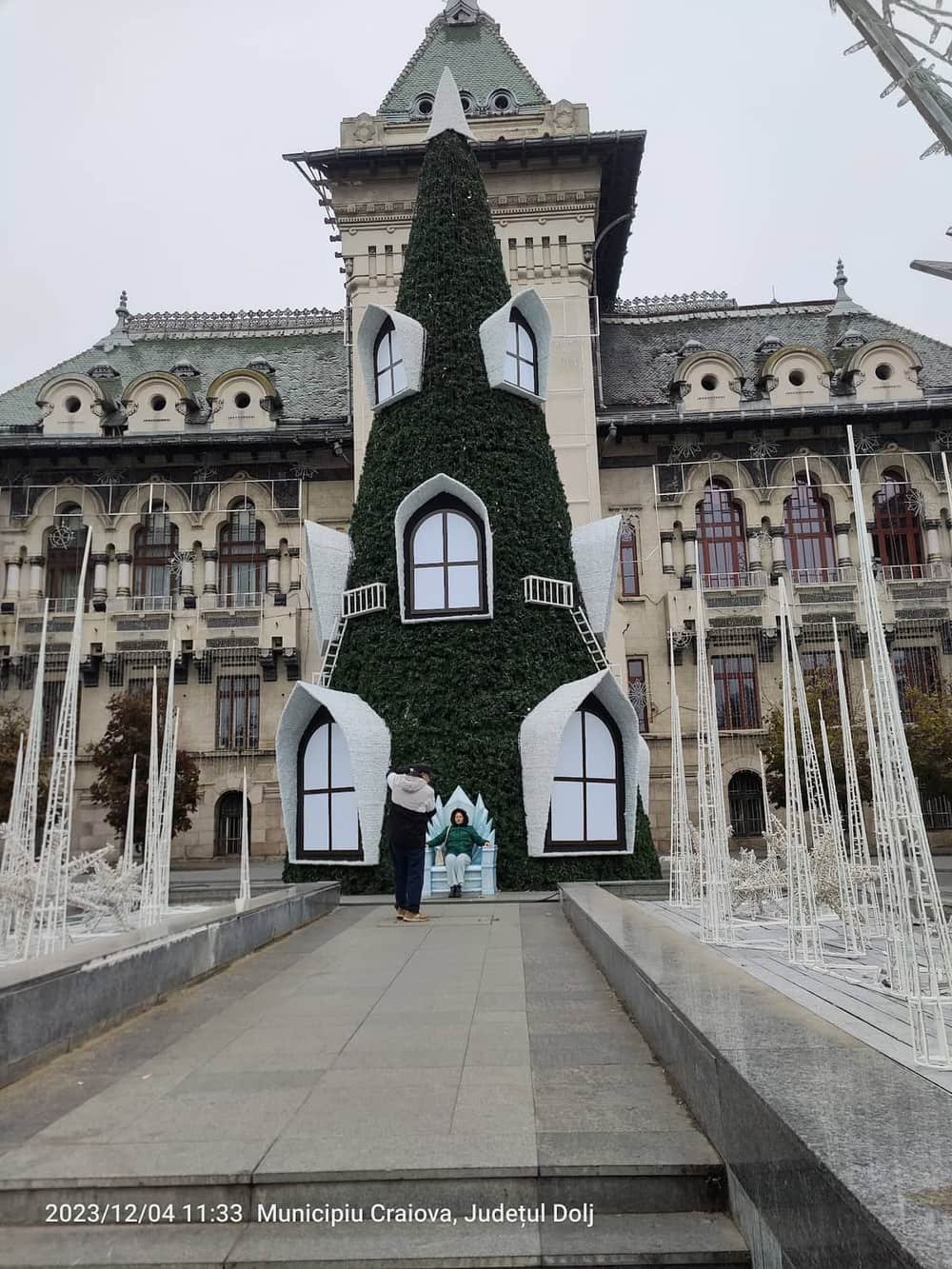
Register your address and sort your documents through the city hall. The practical obstacle is not bureaucracy but navigation — Craiova runs five online portals across four domains, and taxes and ID cards are at the same address on different booking systems, so booking the wrong one means not being seen. The city hall section is the translation, documents and ID covers the counters, and local taxes covers where you pay.
Find your pharmacy and your hospital before you need them. Three pharmacies are open around the clock — the pharmacy page shows which are open at this moment. For anything urgent it is 112, not a hospital switchboard, and hospitals and emergencies has the addresses, including the county emergency hospital on Strada Tabaci.
Save the utility numbers: water, power, gas, and the city hall's own line for anything in public space. Outages and faults has all of them in one place, and explains why we do not mirror live outage notices.
Places in this piece

Where to live
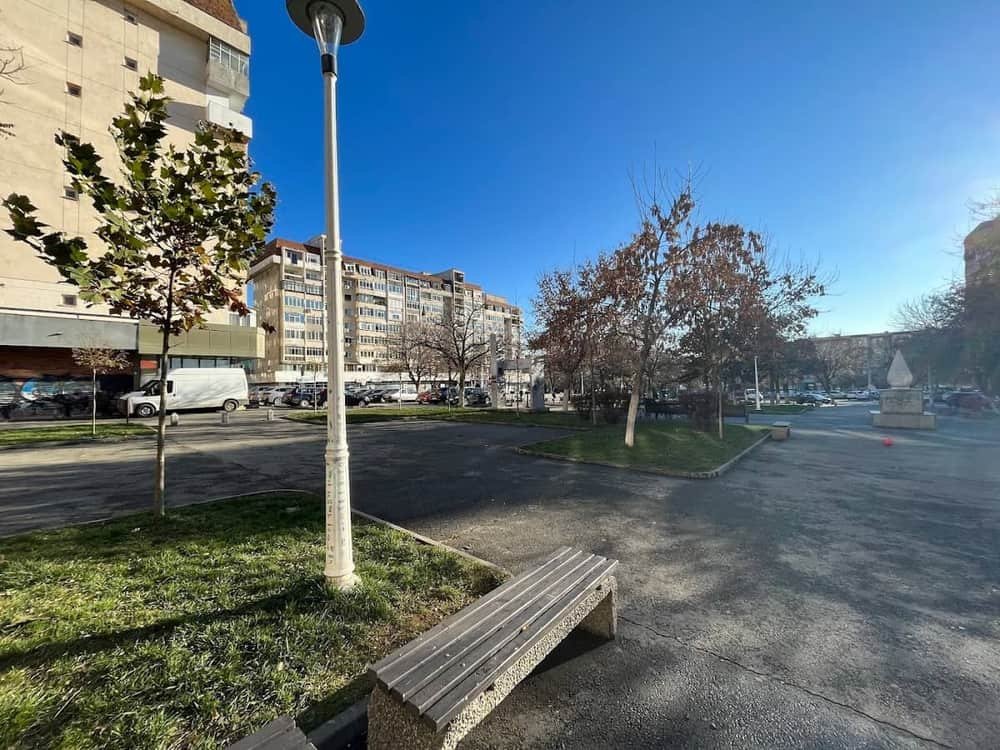
The centre is the expensive option and buys you a life on foot. The city is completely flat — no hills anywhere — and the centre crosses in fifteen minutes, so "walkable" here means genuinely everything.
Craiovița Nouă, Rovine, Brazda lui Novac are where most of the city lives: socialist-era blocks, cheaper, with commercial ground floors that make each neighbourhood self-sufficient in a way a western suburb is not. Socialist-era Craiova explains why they were built like that.
Gara & Brâncuși puts you next to the station if you travel often.
The neighbourhoods pages say what is actually in each.
Where to stay nearby
Live prices and availability on a map centred on this exact spot — hotels, apartments and hostels, so you can judge the walk from here rather than guess from an address.
Bookings made through this map earn us a commission. Your price is unaffected.
Getting around, and the car question
In the city you do not need a car, and keeping one in the centre is a parking problem rather than a convenience — where to park. Walk, cycle — the flatness makes this genuinely viable — or use public transport, with tickets explained here.
Outside the city you absolutely do. Oltenia has no useful public transport at all, which is the single fact that shapes weekends here. Hiring a car covers renting for the days you leave instead of owning.
Flights. Craiova airport is eight kilometres east and Wizz Air operates it from London, Madrid, Barcelona, Italy and Germany among others. For anything it does not serve, Bucharest is 231 km and 2h35 — from Bucharest.
The year, honestly
Summer is the hard season and the one people underestimate. July and August average highs around 30 °C on the plain and there is no evening cool-down, because there is no altitude nearby to provide one. Air conditioning is not optional. How to escape the heat.
Winter is mild but grey. January averages a daily high around 2.5 °C — not cold by Romanian standards — but the defining condition is fog sitting in the Jiu valley for days. Craiova in winter.
Spring and autumn are the reward. Late April to early June and September to October are the stretches that make the rest worth it. The weather page month by month.
What makes it liveable
Romanescu Park — 96 hectares, free, better than anything of its kind in a Romanian city this size. The park guide.
Culture relative to price — a national theatre with a biennial international Shakespeare festival, a philharmonic, an opera and a puppet theatre within a few central streets (theatres and cinemas), plus six original Brâncuși in the Art Museum.
Weekends that are actually different from the week. Rânca at 134 km for mountains, Târgu Jiu at 110 km, the Danube at Bechet 68 km. All measured and dated on the Oltenia page.
And the football, which is not a side interest here: CS Universitatea Craiova reached a European semi-final in 1982–83 out of a city of 230,000, and the city has not stopped measuring itself against it.
If you are working remotely
Craiova for digital nomads covers wifi, desks and the practical day. Craiova for students overlaps more than you would expect — same cafés, same neighbourhoods, same weekends.