The short version
Three things from this region are genuinely worth carrying home, and one of them is on a UNESCO list.
- Horezu ceramics — the craftsmanship went onto UNESCO's intangible heritage list in 2012. Buy at the workshop, not at a roadside stall.
- Oltenian wine, and specifically Fetească Neagră — the indigenous red. Segarcea is 29 km south of Craiova.
- **Dried *raci* peppers** — the small hot red peppers that are the single most Oltenian ingredient there is, and whose name means something else entirely in the rest of the language.
And one honest exclusion: papanași are Moldovan, however many Craiova *cofetării* serve them.
Checked October 2026. No prices on this page. Hand-made pottery is priced by size, decoration, maker and conversation; there is no list, and anything a website quotes you is a guess. The prices page explains the policy.
Horezu ceramics — the one with the UNESCO listing
113 km north-east of Craiova, measured at about 1 h 57 min. The workshops are in the village and along the road, not in a museum, and a working potter will let you watch.
What UNESCO listed in 2012 was not the pots but the craftsmanship — the whole transmitted practice, including the division of labour in which the men throw and the women decorate, the specific tools (a cow horn and a quill-tipped stick used to trail slip across the surface), and transmission within families.
How to tell the real thing
This matters, because the region's reputation has produced imitations and the roadside trade mixes genuine local work with imported pressed ware.
The decoration should show the tool. Authentic slip decoration is *trailed* by hand, which leaves lines of slightly varying thickness and a visible start and stop. Printed or transfer decoration is uniform. Look at where a line begins.
The palette is limited: dark brown, brick red, green, blue and ivory on a cream or reddish ground. A dozen bright colours is not this tradition.
The motifs are stylised and flat — the *cocoș* (cockerel) that Horezu is famous for, plus the spiral, the tree of life, the fish, the snake and the star. A photorealistic bird is a souvenir.
Turn it over. A thrown piece shows concentric throwing rings and often the potter's mark; a pressed piece shows a mould seam.
And the rule that solves all four: buy at the house with the kiln in the yard. The village is full of them, they are signed, and you are welcome.
What to buy
One large decorative plate if you want the thing the region is known for — these are wall pieces, and what the cockerel motif is made for. A set of small bowls if you want something you will actually use daily; cheapest route into the tradition.
Take cash: many workshops do not take cards. And ask the potter to wrap them, which they will do as a matter of course — then put them in the footwell rather than the boot, because you are driving earthenware on county roads.
Places in this piece
Wine
Segarcea is 29 km south of Craiova, a measured 34 minutes, and the only genuine half-day trip from the city. The vineyard was planted as one of Romania's royal Crown Domains and is the best-known producer in Dolj.
Ask for the Romanian varieties, not the international plantings. You can buy Cabernet and Merlot anywhere:
Fetească Neagră — the indigenous red, and the one that justifies the region. Structured, dark-fruited, with a distinct dried-plum note.
Fetească Regală and Fetească Albă — the dry floral whites, and the everyday drinking wine of this part of Romania.
Tămâioasă Românească — the aromatic white, made dry or sweet depending on the producer. The dry version surprises people.
Book the tasting ahead. The winery works by arrangement rather than walk-up, and Segarcea has one restaurant and no other attraction, so arriving hopefully means a 34-minute drive to a locked gate.
And the hard rule: Romania enforces a zero-tolerance drink-drive limit — not a low limit, zero — and the road back is a main road. Designated driver, or a taxi from Craiova, which at 29 km is a defensible cost. The wine page covers the wider region, including Banu Mărăcine on the edge of Craiova itself.
Țuică — plum brandy — is the other thing to bring back, and in Gorj and Vâlcea it is taken seriously and distilled strong. Buy it where you are staying rather than in a shop.
Where to stay nearby
Live prices and availability on a map centred on this exact spot — hotels, apartments and hostels, so you can judge the walk from here rather than guess from an address.
Bookings made through this map earn us a commission. Your price is unaffected.
The peppers
This is the recommendation nobody else will give you.
**Dried *raci*** are small hot red peppers, dried in a particular Oltenian way, and they are the single most regionally specific ingredient in this part of Romania. They go into *ciorbă de raci* — which, despite the name, is not crayfish soup but those peppers rehydrated and stuffed with leek, oil, maize flour and wheat flour, then simmered and finished with lovage. They go into sarmale oltenești, tucked in among the cabbage rolls, giving a gentle heat. They go into bean dishes.
They cost almost nothing, they travel perfectly, they take no space, and nobody at home will have seen them. What to eat in Oltenia explains the whole food culture they sit inside — including why the word means something completely different in the rest of the Romanian language.
Buy them in a market. In Craiova, the ordinary city markets have them; in the villages, better and cheaper.
What not to bother with
Papanași as an Oltenian souvenir. They are Moldovan in origin. Every decent *cofetărie* in Craiova serves them and they are excellent — Patiseria Eugenia on Strada Mihai Viteazul is thirty seconds from the main square and is the city's most-reviewed café — but they are not a regional dish and they do not travel. Eat them here; do not carry them.
Anything at a motorway stall. The roadside trade between Craiova and Horezu includes genuine local work and includes imported pressed ware, and from a car window you cannot tell.
Mass-market "traditional" packaging in city supermarkets. If the thing you want is from this region, buy it in this region, from the person who made it.
Where to buy, by where you are
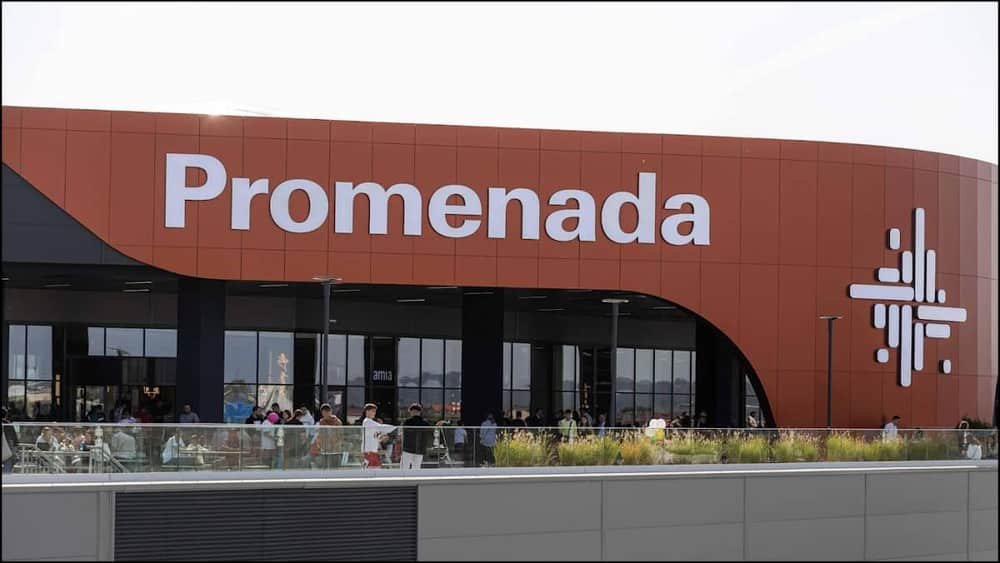
In Craiova: the markets, for peppers and preserved vegetables. The centre is for eating and drinking rather than shopping, and nothing on Calea Unirii is a regional speciality. Promenada Mall in Craiovița Nouă is a mall.
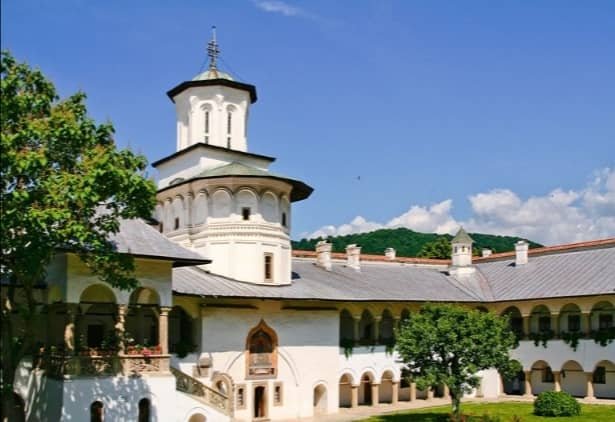
At Horezu: the ceramics, at the workshops. Pair it with Hurezi Monastery — the UNESCO-listed Brâncovenesc ensemble of 1690 — which makes Horezu a town of six thousand with two UNESCO entries and a full day's visit.
At Segarcea: the wine, booked ahead.
In the hills generally: țuică, cheese, and whatever the guesthouse is selling. Guesthouse kitchens in Horezu, around Târgu Jiu and up at Rânca cook the regional food that city restaurants only partly carry, and they will sell you what is in the larder.
Fitting it into a trip
The shopping maps onto the two-day itinerary without changing it. Day one is the city. Day two is one trip out, and two of the four options are also the two shopping destinations: Horezu for the ceramics, or Segarcea for the wine as a half-day with the afternoon free.
On a longer trip, three days in Oltenia does both.
One practical note on timing: ceramics and wine are both available all year, but September and October are harvest at Segarcea, which is the only time the estate is doing the thing it exists to do. Craiova in autumn makes that case.