Most people I went to school with left. Bucharest, mostly, then Cluj, then abroad. A surprising number came back.
This is a piece about why, and I am going to try to write it without the civic-pride register, because the honest reasons are more interesting than the flattering ones.
The reason nobody says out loud: time
Not money — time.
In Craiova I can be anywhere in the city in twenty minutes, usually ten. I do not plan around traffic, I do not leave early for a margin, and I do not lose two hours a day to a commute I have mentally stopped counting.
That is the whole thing. Everybody who moved to Bucharest and came back says a version of it, and it is never the first reason they give, because "I got my afternoons back" sounds less serious than it is.
Places in this piece
The second reason: it is not performed
Craiova is not curating itself for anybody. There is no visitor economy worth distorting for — we do not even have guides — so the restaurants cook for people who will come back, the prices are what they are, and nobody has repainted a façade for a photograph.
Cities that get famous stop doing this. I have watched it happen elsewhere and I am in no hurry.
This is also why visitors who do come tend to like it more than they expected. Nothing here is trying.
The third reason: it is a real city, not a large town
This is where people from outside get Craiova wrong. It has:
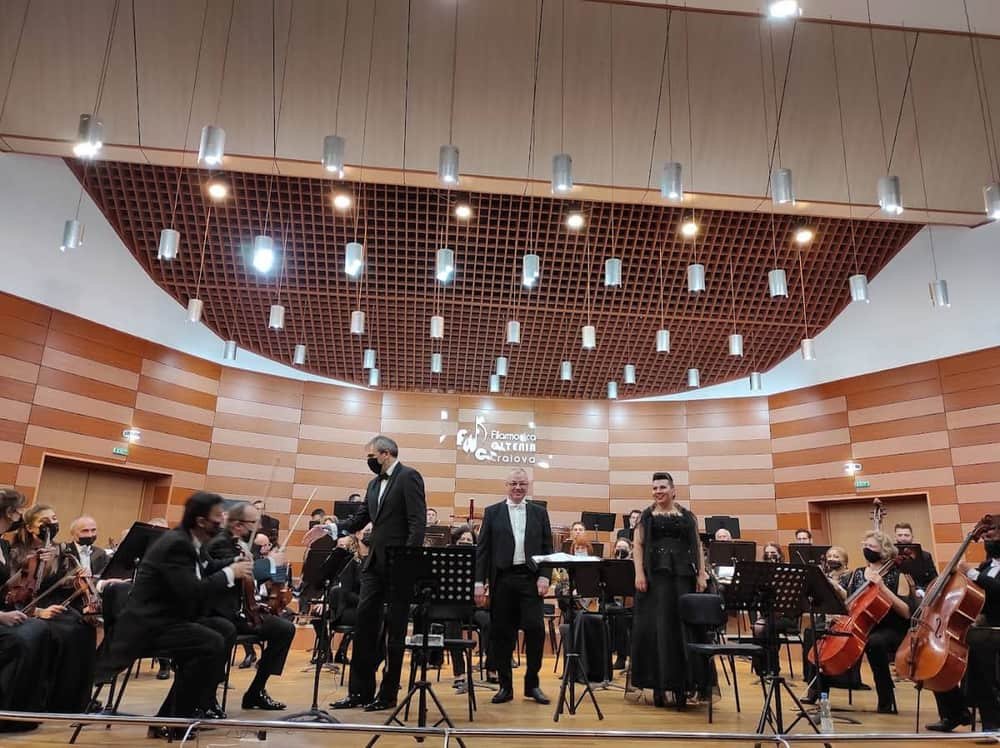
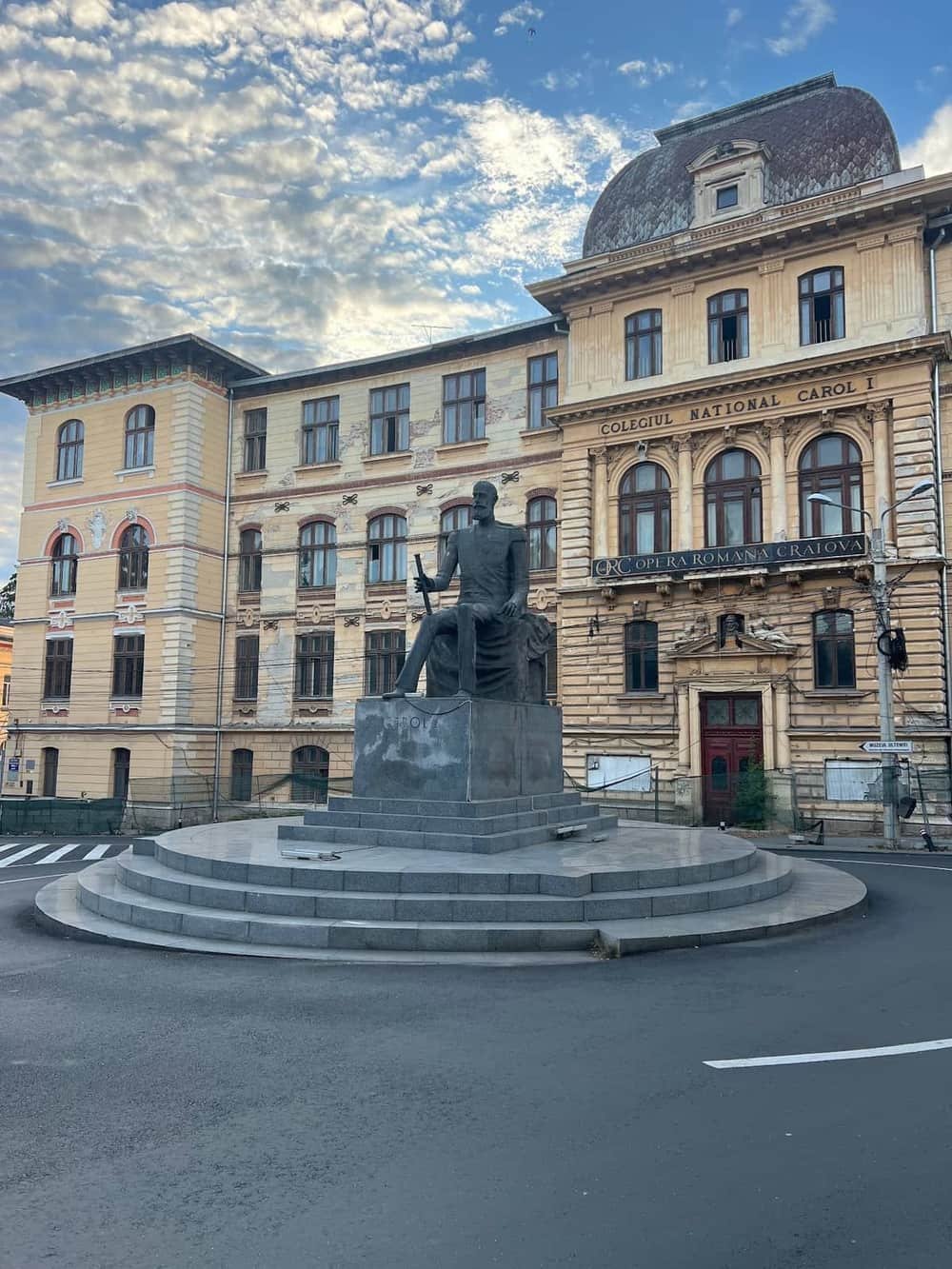
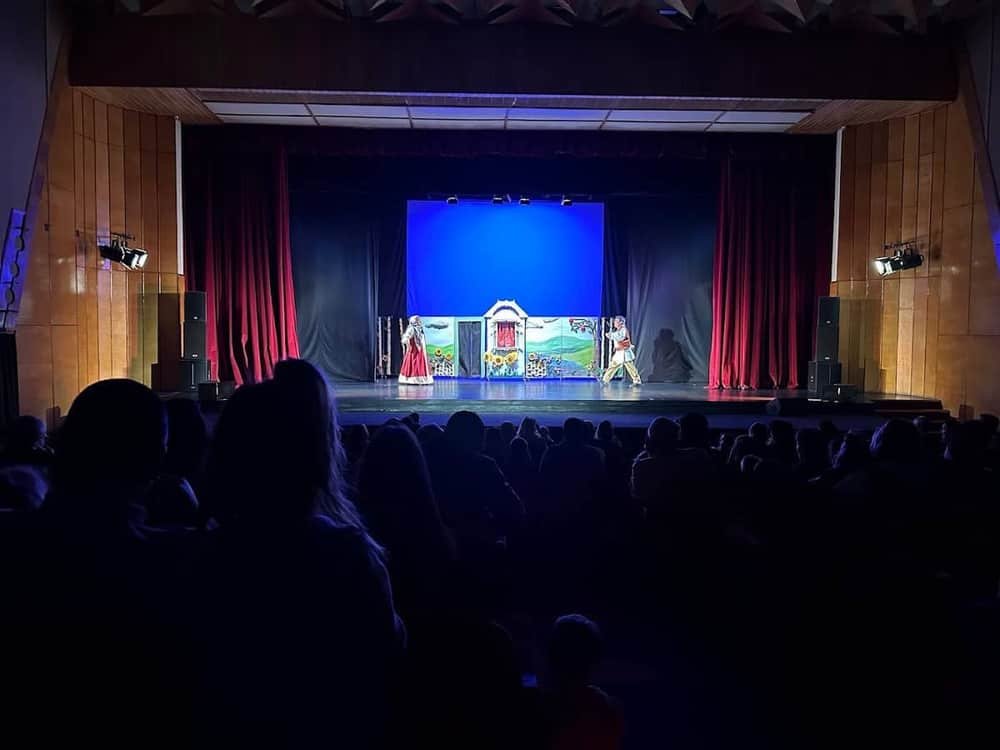
- Four permanent performing institutions — the National Theatre, the Philharmonic, the Opera and Colibri.
- A museum with six original Brâncuși.
- A university that keeps the average age down and the cafés open.
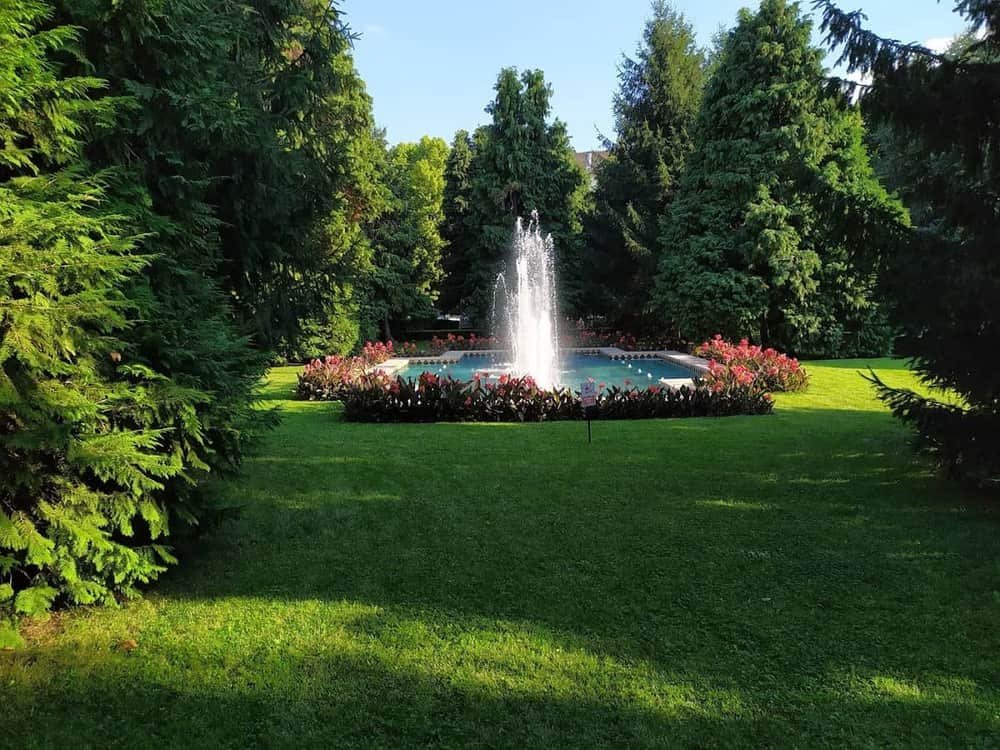
- A ninety-hectare designed park that won gold in Paris before it was built.
You can have a cultural week here without repeating yourself. That is not true of most Romanian cities this size.
The money is not nothing either
Living here costs less than Bucharest, Cluj or Brașov, and the gap is large enough to change what a normal salary buys — most obviously in housing, which is the only number that really matters.
Combine that with the time point above and the arithmetic becomes hard to argue with. What a visit costs gives the visitor's version of the same gap.
Where to stay nearby
Live prices and availability on a map centred on this exact spot — hotels, apartments and hostels, so you can judge the walk from here rather than guess from an address.
Bookings made through this map earn us a commission. Your price is unaffected.
What we give up, honestly
I am not going to pretend this is free.
- Career ceiling. For a lot of professions, the serious jobs are in Bucharest. The car plant and the university absorb a lot, but not everything.
- Flights. The airport works, but it is not a hub. Anything long-haul starts with a trip to Bucharest.
- The famous landscape is ninety minutes away. Brâncuși, Horezu, the mountains — all good, none of them local. See Craiova and the rest of Oltenia.
- July. The heat is real and there is no sea and no altitude to escape to.
The thing that changed in the last ten years
The city got better at being pleasant.
The specialty coffee scene exists now and did not before. The centre is more pedestrianised. The Christmas market grew from a municipal gesture into something people travel for. The restaurants improved sharply — see where to eat.
None of this is dramatic and all of it compounds. What changed in ten years is the longer version.
The neighbours thing, which sounds sentimental and is not
In a city where people do not move constantly, you end up knowing who lives around you. Not as a warm community ideal — as infrastructure.
Somebody takes your parcel. Somebody notices your parents are visiting. Somebody tells you which tradesman not to call. This is a functioning informal network and it exists because the population is relatively stable, which is itself a consequence of the city not being a place people pass through.
Which neighbourhood you live in matters more here than in a bigger city for exactly that reason, and the district names tell you more about each one than any estate agent will.
Who it does not suit
Being fair about it.
If your work only exists in a capital, if you need an airport with long-haul connections, or if you want a city that visibly reinvents itself every two years, this is the wrong place and you will be bored within eighteen months.
If you want a real city where you can walk home from the theatre, Craiova for expats and for digital nomads are the practical pages.
The answer people actually give
Ask any of us over a second drink and you get some version of this:
*I lived in Bucharest for four years. I had a better job and a worse life. Here I know the people in my building, I can see a Brâncuși on a Tuesday afternoon with nobody else in the room, and I am home for dinner.*
That is not a slogan and it does not fit on a tourism poster, which is probably why nobody has put it on one.