The short version
Most cities are shaped by forces nobody can name. Craiova's green half was shaped by one man with a budget and a very specific idea, and you can still walk through the result on a Sunday afternoon.
Nicolae Romanescu was mayor from 1898, across several terms into the 1920s. He is remembered for one thing above all: he hired a French landscape architect, had him design a park on the southern edge of the city, and sent the plan to the 1900 Paris Exposition, where it won a gold medal.
The park opened in 1903. It is still the best thing in Craiova.
The decision itself
This is the part worth understanding, because it is unusual.
Romanescu became mayor in 1898, and a modernisation plan was approved that included creating parks and gardens — ordinary enough for the period. What was not ordinary was the next step. Rather than commissioning a competent local job, the mayor of a provincial Romanian city decided to hire a French landscape architect, Édouard Redont, and then enter the result in the world's most-watched exhibition.
Places in this piece
What Redont actually designed
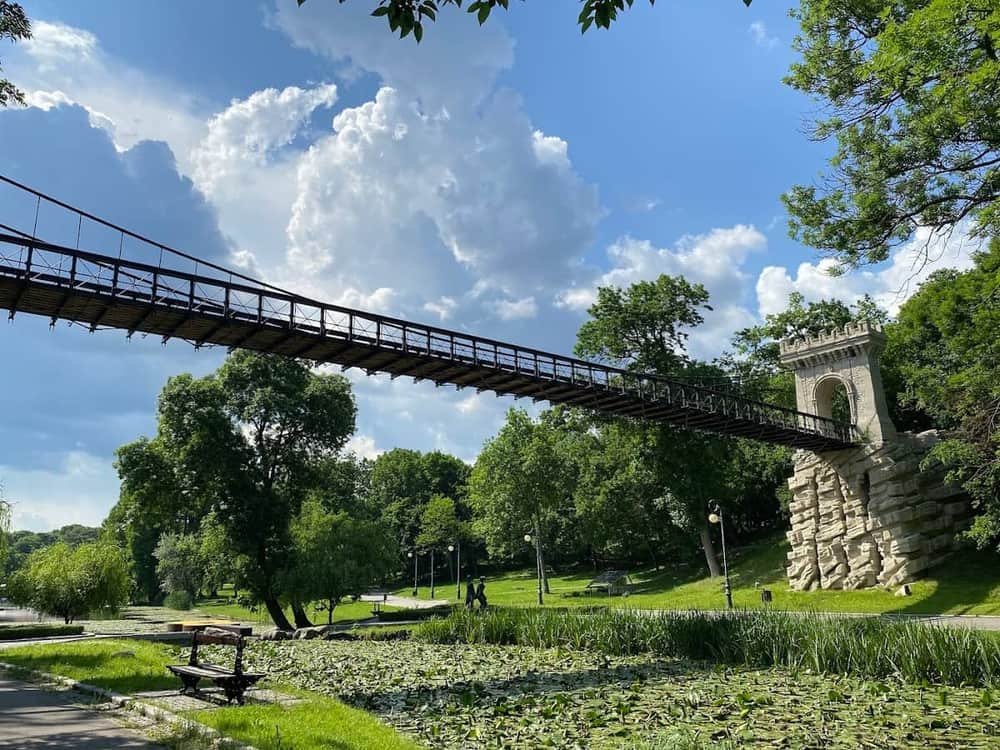
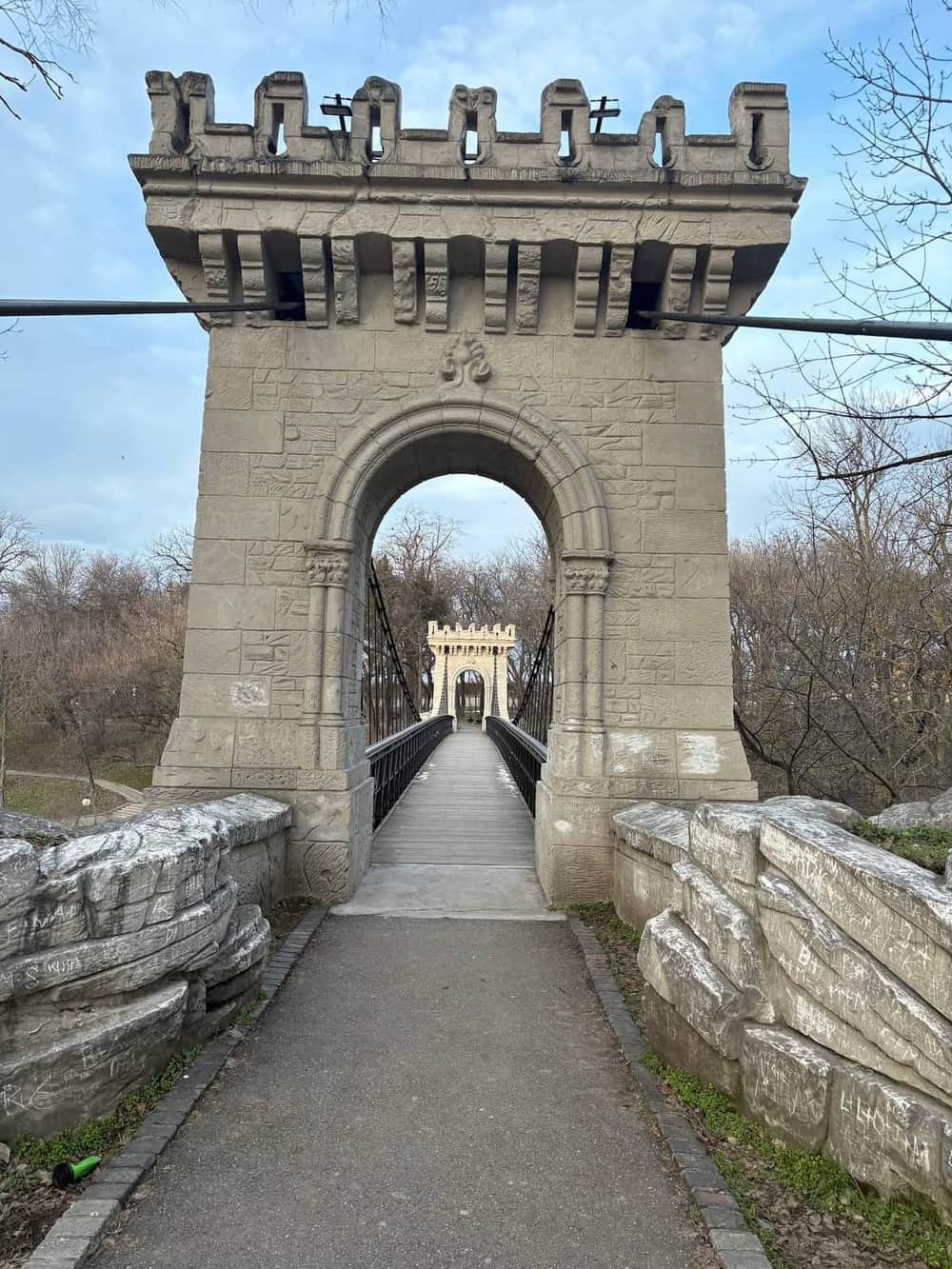
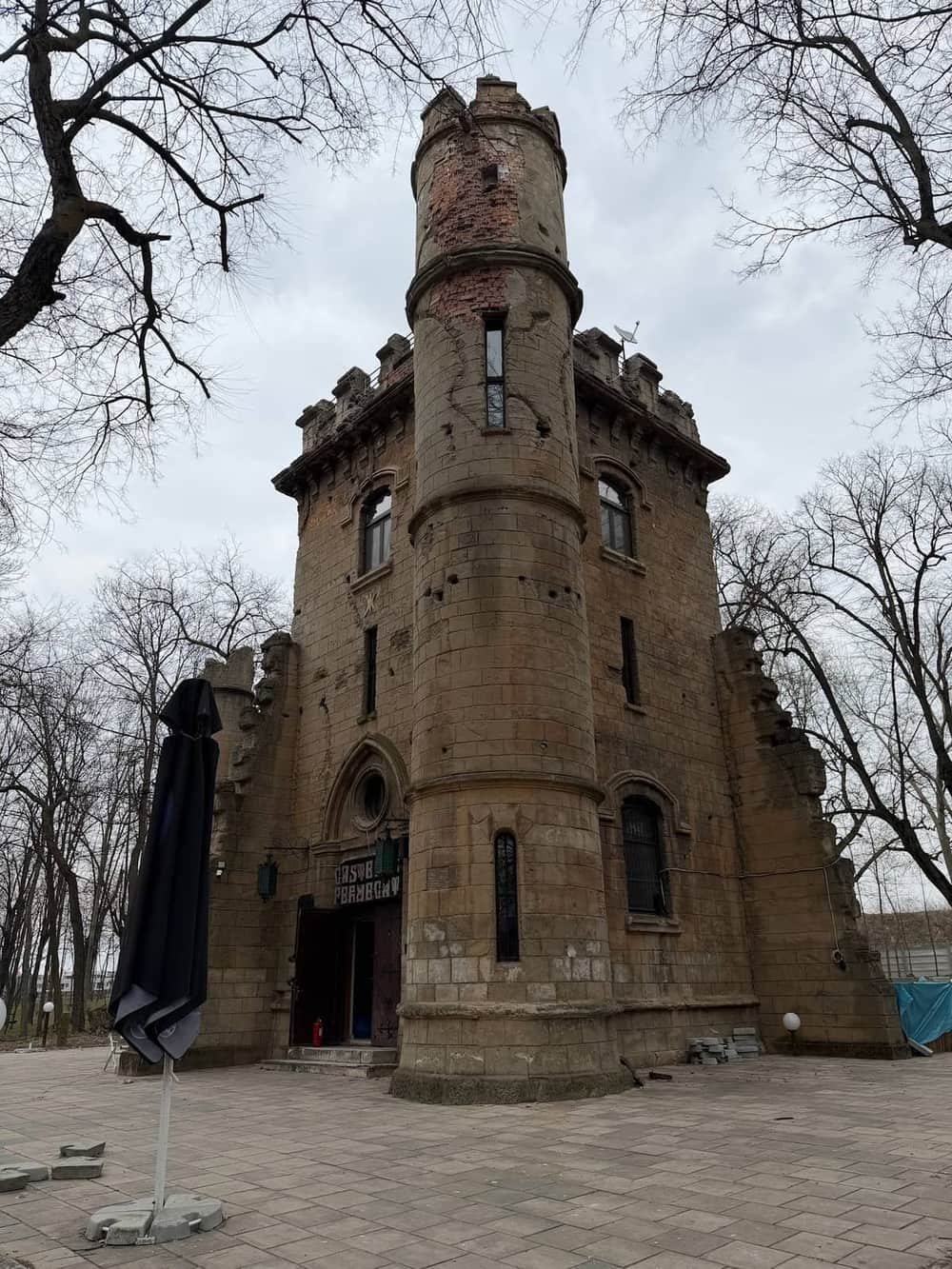
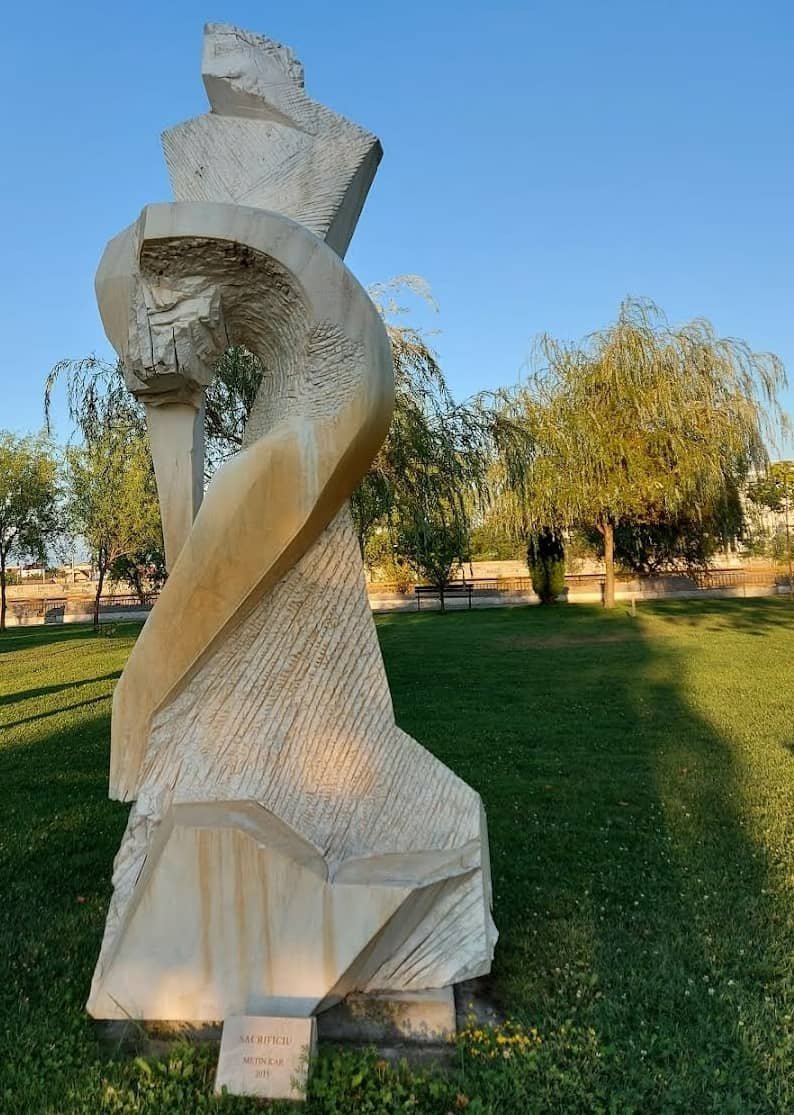
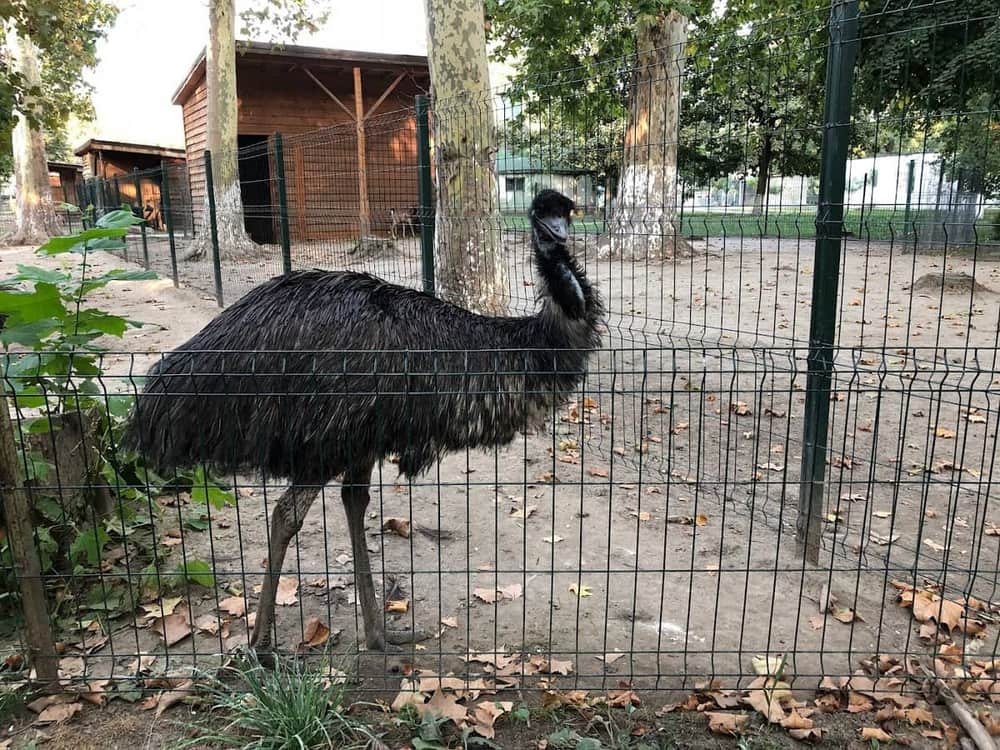
Not a park in the municipal sense — a landscape. The plan included a lake with two islands, a river, bridges, waterfalls, a suspension bridge, an enchanted castle, a bandstand, a bear cave and a zoo.
It is described as the only park in Romania designed from the outset with promenades, a velodrome, a racecourse and boating. That is a leisure programme, not a flower garden, and it is why the park still absorbs a city-sized crowd without feeling full.
| Element | Still there? |
|---|---|
| Suspended bridge | yes |
| Enchanted castle | yes |
| Lake and islands | yes — see Islet's Park |
| Zoo | yes |
| Velodrome, racecourse | no |
The opening, 1903
The park was inaugurated in 1903, in the presence of King Carol I, Prince Ferdinand and prime minister Dimitrie Sturdza. A provincial park opening attended by the head of state and the head of government is, again, not a normal provincial park opening.
Where to stay nearby
Live prices and availability on a map centred on this exact spot — hotels, apartments and hostels, so you can judge the walk from here rather than guess from an address.
Bookings made through this map earn us a commission. Your price is unaffected.
The disputes, honestly stated
Three things about Romanescu are routinely printed with a confidence the sources do not support:
- His terms. One account gives 1898, 1901–1916 and 1929; another gives 1898, 1901–1905, 1914–1916 and 1929. He was mayor repeatedly; the exact spans vary by source.
- When work began. One source says construction started in 1897, which sits awkwardly with the account that has the mayor deciding to hire a French designer in 1900.
- Redont's name. Printed as Eduard, Edouard and Rédont depending on where you read it.
We publish the disagreement rather than the tidiest version of it, which is the same rule the rest of this site follows.
What happened since
In 2023 the city proposed naming the park's main alley after Redont, and the gold medal itself was put on public display for the first time during the anniversary events. The park remains the city's defining public space and the one thing visitors consistently rate above their expectations — see free things to do in Craiova, where it is the headline entry.
Why one mayor still matters
Because the alternative is visible everywhere else. Romanian cities of Craiova's size generally got their green space by accident — a former estate here, a strip of riverbank there, filled in with whatever the decade allowed. Craiova got a commissioned landscape with a plan, a designer and a brief, and the difference holds a hundred and twenty years later.
It also set an expectation the city has mostly kept. Craiova's smaller parks — the English Park, Parcul Tineretului, the botanical garden — are maintained as public rooms rather than leftovers, and that is a municipal habit with a date on it.
Further reading on this site
The visitor's guide to the park is the practical page — how long it takes, what to skip, where the entrances are. The history of Craiova places Romanescu's era in the longer story, and the Ban and the money of Oltenia explains where the wealth that paid for all this came from. For the rest of the city's green space, see the neighbourhoods.
*Dates, names and figures here come from Romanian press, municipal material and library sources; reviewed as a source set in October 2026. Where they conflict, the conflict is printed above rather than resolved silently.*