
The short version
In the spring of 1983, Universitatea Craiova became the first Romanian club to reach a UEFA Cup semi-final. They drew 0–0 away to Benfica in Lisbon and 1–1 at home, and went out on the away-goals rule without losing a match.
That team is called Craiova Maxima, and understanding why the city still talks about it is most of what you need to know about why match day at the Ion Oblemenco feels the way it does.
- 1980–81: the Cupa României, won 6–0 against Politehnica Timișoara in the final at Stadionul Republicii in Bucharest on 24 June 1981 — a scoreline that is still the record margin in a Romanian cup final.
- 1981–82: second in Divizia A, two points behind Dinamo București, which is how they qualified for the UEFA Cup.
- 1982–83: the semi-final. Eliminated by Benfica, who went on to the final, on away goals after 1–1 on aggregate.
Checked October 2026. The European results and the 1981 cup final are matters of record. Where an account is one participant's recollection rather than the record, this page says so.
The run
Craiova went into the 1982–83 UEFA Cup as Romanian runners-up and went further in Europe than any Romanian club had gone in that competition. Benfica — who beat Roma in the quarter-finals and reached the final against Anderlecht — were the side that stopped them, and the manner of it is the part that has not been forgotten in Craiova.
First leg, Lisbon: 0–0. An away goalless draw at the Estádio da Luz, against a Benfica side on their way to a European final.
Second leg, Craiova: 1–1. Level on aggregate. Away goals sent Benfica through.
So: two matches against the eventual finalists, no defeat, and elimination on a tie-breaker. Ilie Balaci, the team's attacking midfielder, has said he believes Craiova should have had a penalty at the eighty-third minute of the home leg after a foul on him. That is his recollection rather than an official finding, and it is recorded here as his.
Places in this piece
Who they were
The names that recur in any Craiova conversation about that period: Ilie Balaci, the creator and the player the city measures everyone against; Costică Ștefănescu in defence; Zoltan Crișan; Aurel Beldeanu; Costică Donose. They were, for several seasons, the core of the Romanian national side as well as of this club.
Balaci died in 2018, and his death was felt in Craiova as the loss of the team's living centre rather than as the passing of a former player.
Why it still matters, forty-odd years on
Three reasons, and they are specific rather than sentimental.
It was a first for the whole country, achieved by a provincial club. Romanian football history runs through Bucharest — Steaua, Dinamo, Rapid — and Craiova is the exception that a national narrative keeps having to accommodate. Steaua's European Cup in 1986 is the bigger trophy; Craiova's 1983 semi-final came first, and came from outside the capital.
It has never been repeated by this club. Craiova has won league titles and cups since, but nothing in Europe at that altitude. A single high-water mark that has stood for four decades acquires a different weight from a run of successes.
The club itself nearly disappeared. Romanian football's post-communist decades were administratively chaotic, and Universitatea Craiova's institutional history after the 1990s involves disputes over the name, the records and the succession. The 1983 team is the part of the identity nobody contests, which is part of why it is held onto so firmly.
Where to stay nearby
Live prices and availability on a map centred on this exact spot — hotels, apartments and hostels, so you can judge the walk from here rather than guess from an address.
Bookings made through this map earn us a commission. Your price is unaffected.
Where to see it
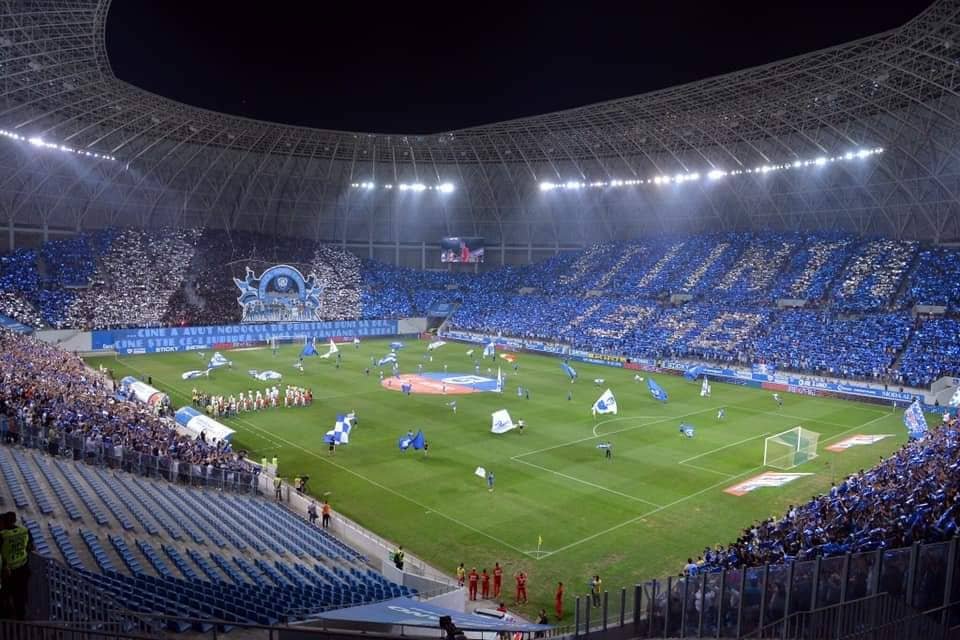
The Ion Oblemenco is the modern answer. Opened in 2017, 30,983 seats, and a UEFA category 4 ground — which is why Romania's national team and European ties get played here and not only league fixtures. It holds a 4.7 from over seven thousand reviews, which for a stadium is a remarkable score.
It is named after Ion Oblemenco, the striker who was the club's great goalscorer of the generation before Craiova Maxima, which tells you how the city orders its own history.
There is no standing stadium tour, so the way in is a match. League tickets go on sale a few days ahead and a league game rarely sells out; a derby does. The practical detail — getting there, the hours before, where to eat — is on the football page, and one day in Craiova fits the stadium into a city day.
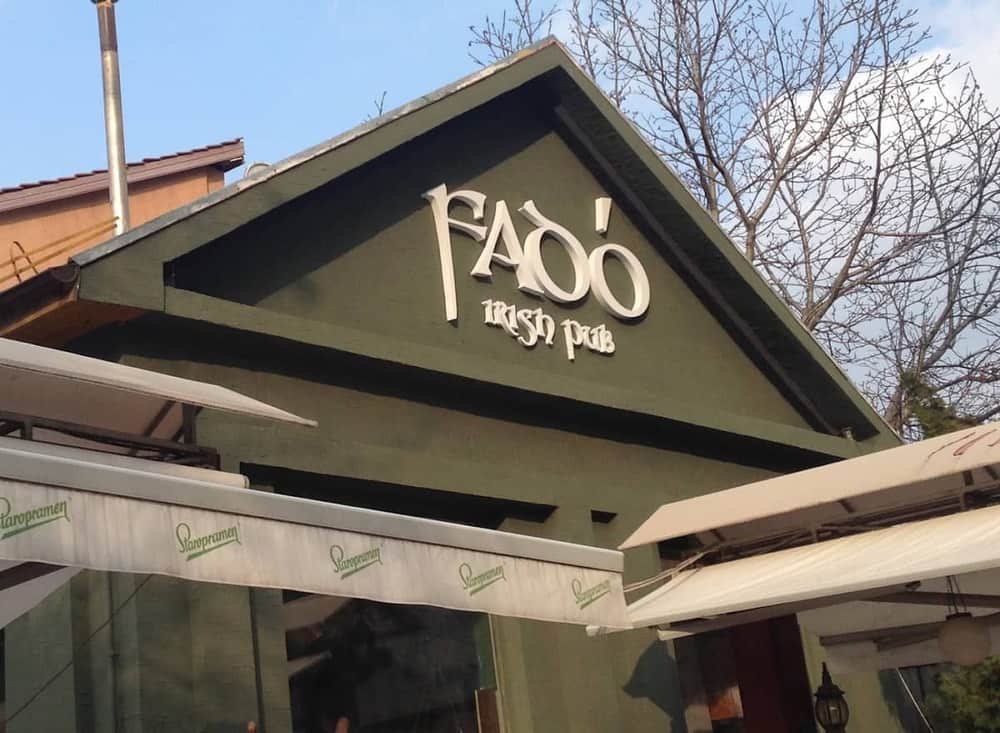
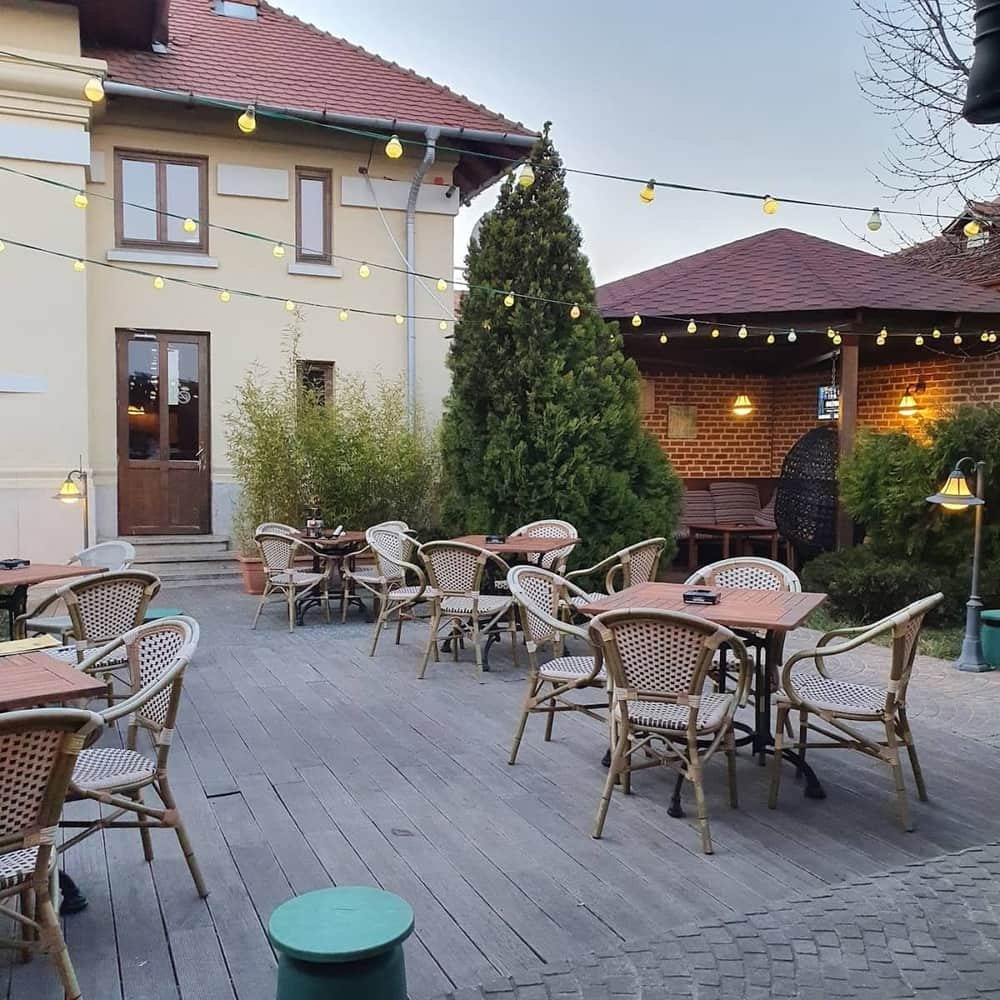
Where the city watches away games: the pubs with screens, which in practice means Fado Irish Pub and Big Ben in the centre. Craiova at night has the rest of the evening.
A note on the other Craiova team
Visitors get confused by this and it is worth stating plainly: there have been two clubs in Craiova using versions of the Universitatea name, arising from the institutional disputes mentioned above. Fixtures, grounds and allegiances differ, and which one a given local supports is not a neutral question.
This site covers matches at the Ion Oblemenco, which is the 30,983-seat UEFA category 4 ground, and does not take a position on the succession. If you want to know what you are buying a ticket for, check the fixture rather than the name.
If you are visiting for the football
When. The Romanian league season runs roughly August to May with a winter break. A league fixture is the easy ticket; a derby or a European night is not. When to visit Craiova sets out the city's own calendar, which peaks with the Christmas market from mid-November rather than with football.
Where to stay. The centre — the stadium is close enough to walk from most central hotels, and everything else in the city is there too. Where to park if you have driven.
What else to do with the trip. The Art Museum has six Brâncuși originals including *The Kiss* of 1907, and Romanescu Park is ninety-six free hectares ten minutes south of the square. A football weekend in Craiova is a full weekend — see two days in Craiova.
The one-line version
Two matches against the eventual UEFA Cup finalists, no defeat, out on away goals — the first Romanian club to get that far, from a city of three hundred thousand. Forty years later it is still the reference point, and the stadium it is remembered in holds thirty thousand people.










