The short version
Rânca is the reason a Craiova summer is survivable. It sits at about 1,600 m in the Parâng mountains, 134 km north and a measured 2 h 15 min from the city, and it runs ten to fifteen degrees cooler than the plain. It is also the southern foot of the Transalpina, the highest road in Romania.
- 134 km, measured at 2 h 15 min. Car only — no useful public transport and a steep final climb.
- The high road over the Urdele pass closes for winter, by order rather than by date. Ask before setting off in shoulder season.
- Ten places to stay — more than any other out-of-town area on this site, which tells you it is a resort rather than a village.
- The ski area is small. Pârtia M1 is not a destination resort and it is better to arrive knowing that.
- Winter tyres are a legal requirement in Romania, not a suggestion.
Checked October 2026. The drive time is measured on the road. Transalpina closure dates are set by order each year and are not printed here — ask your guesthouse which road is open on the day.
The fifteen degrees
This is the entire argument and it is worth putting plainly.
Craiova averages a high of 30.0 °C in July on 358 hours of sunshine, and 30.1 °C in August on 338. These are climate normals, not a bad year. The Oltenian plain has nothing between it and the sun — no sea breeze, no altitude — and between about eleven and five in those months the city stops being pleasant. Beating the summer heat sets out how to invert the day in the city.
Rânca, at 1,600 m, runs ten to fifteen degrees below that. It is the nearest genuine mountain air to Craiova, and in August it is worth every one of the 135 minutes.
If a heatwave is forecast for a week, a night up there in the middle of it is the best money you will spend on the trip.
Places in this piece
The Transalpina
The DN67C is the highest road in Romania, crossing the Parâng from Novaci in Gorj to Sebeș in Alba, and Rânca sits on its southern approach.
In summer the high section over the Urdele pass — above 2,000 m — is open, and it is one of the genuinely great drives in the country: a long climb above the treeline with views across the Parâng, hairpins, and nothing in the way of civilisation for a long stretch. People compare it to the Transfăgărășan; it is higher and emptier.
In winter it is closed. The closure is by administrative order rather than by calendar, usually from autumn until well into spring, which means two practical things:
Rânca is still reachable — the approach from the south, from Novaci, stays open and is how you get there out of season.
You cannot cross. If your plan involved driving over to Transylvania, check before committing, because the answer for roughly half the year is no.
Ask the guesthouse which road is open on the day. They know, the official information is thin, and this is the one question worth asking when you book.
What is actually there
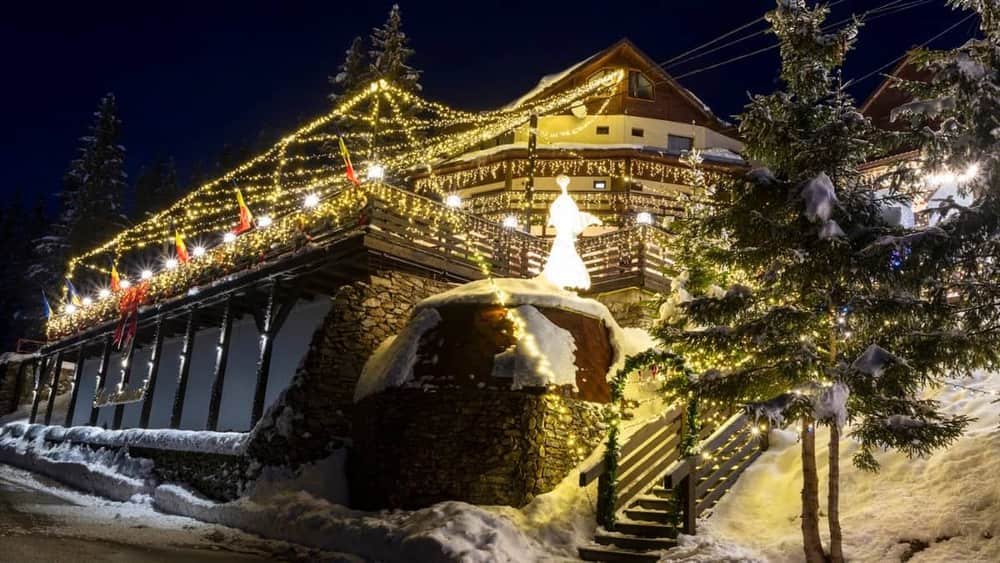
Ten places to stay, which for a settlement this size is the whole point and tells you it functions as a resort: Cabana Terra at 4.6 from over seven hundred reviews, Cetina Ranca at 4.7, Transalpina Rânca Complex Panoramic, and Rânca Ski Cazare at nearly eight hundred reviews.
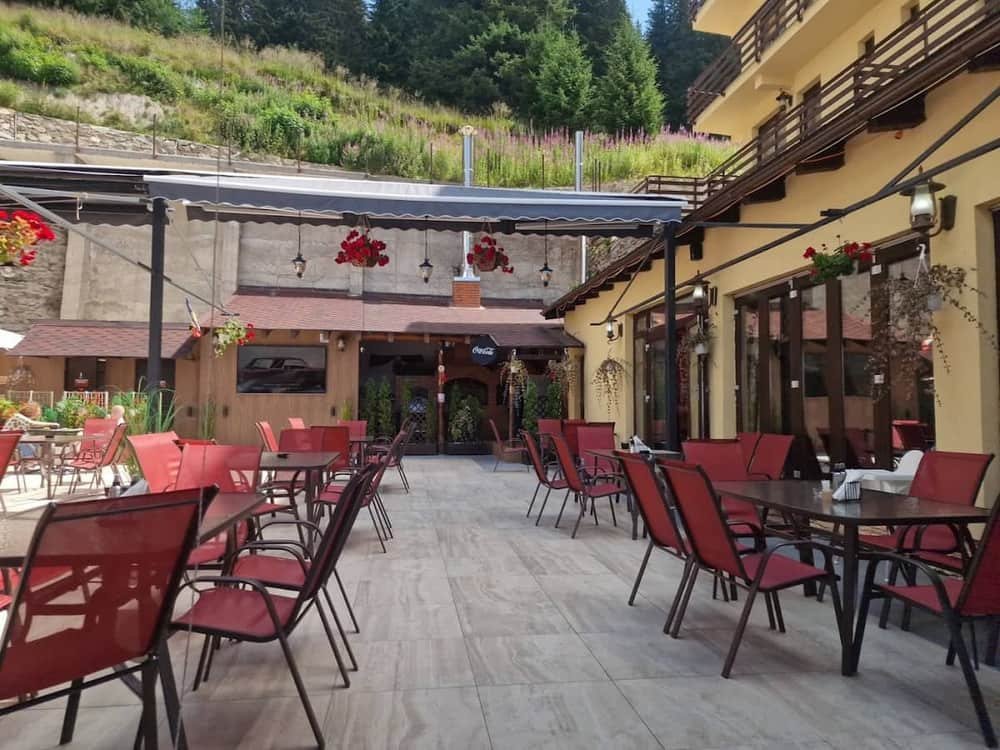
Six restaurants, with Restaurant Tara Ranca holding over three thousand reviews — a remarkable number for 1,600 m — and Restaurant Alessia and Complex Veverița the others.
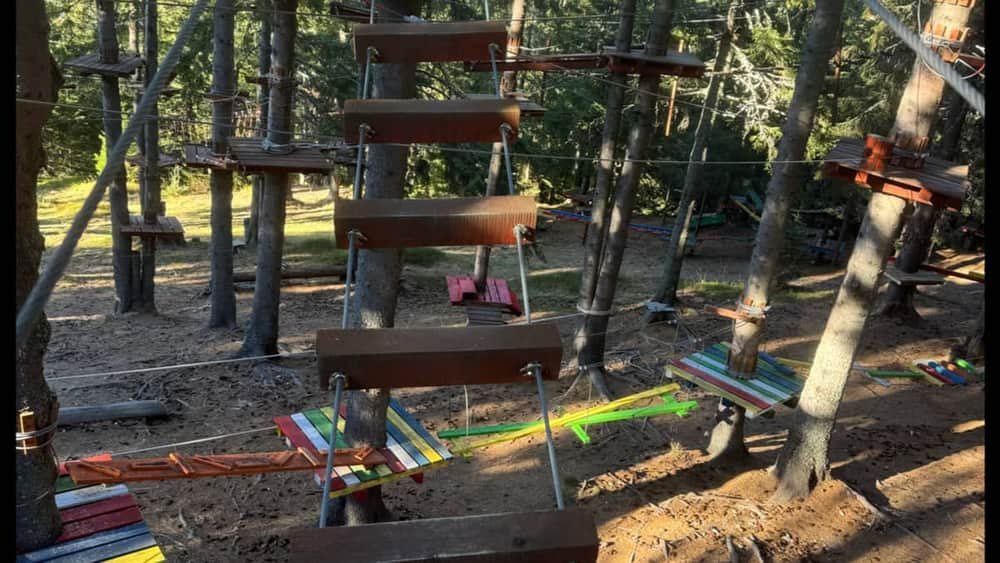
Parc Aventura Rânca — ropes and ziplines, 4.7 from over seven hundred reviews, and the summer activity. With children this plus the temperature makes Rânca the best warm-weather day out within reach of Craiova. Craiova with children has the alternatives.
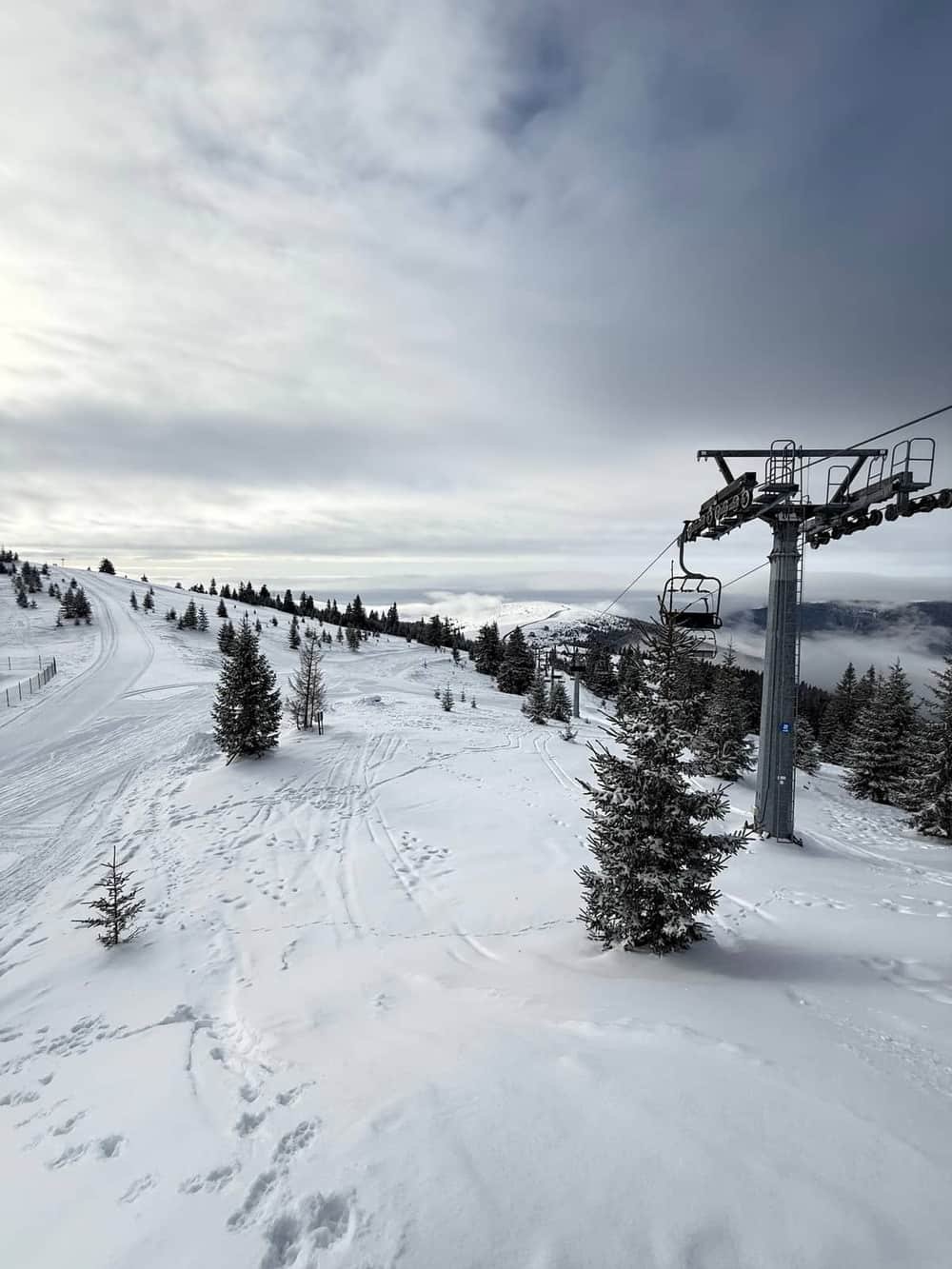
Pârtia M1 — the ski area, and the honest description is a small one. This is not a destination resort, the lift infrastructure is modest, and arriving expecting otherwise is the main way people are disappointed by Rânca. For skiing as the point of a holiday, Romania has better answers further north.
Where to stay nearby
Live prices and availability on a map centred on this exact spot — hotels, apartments and hostels, so you can judge the walk from here rather than guess from an address.
Bookings made through this map earn us a commission. Your price is unaffected.
What to pair it with
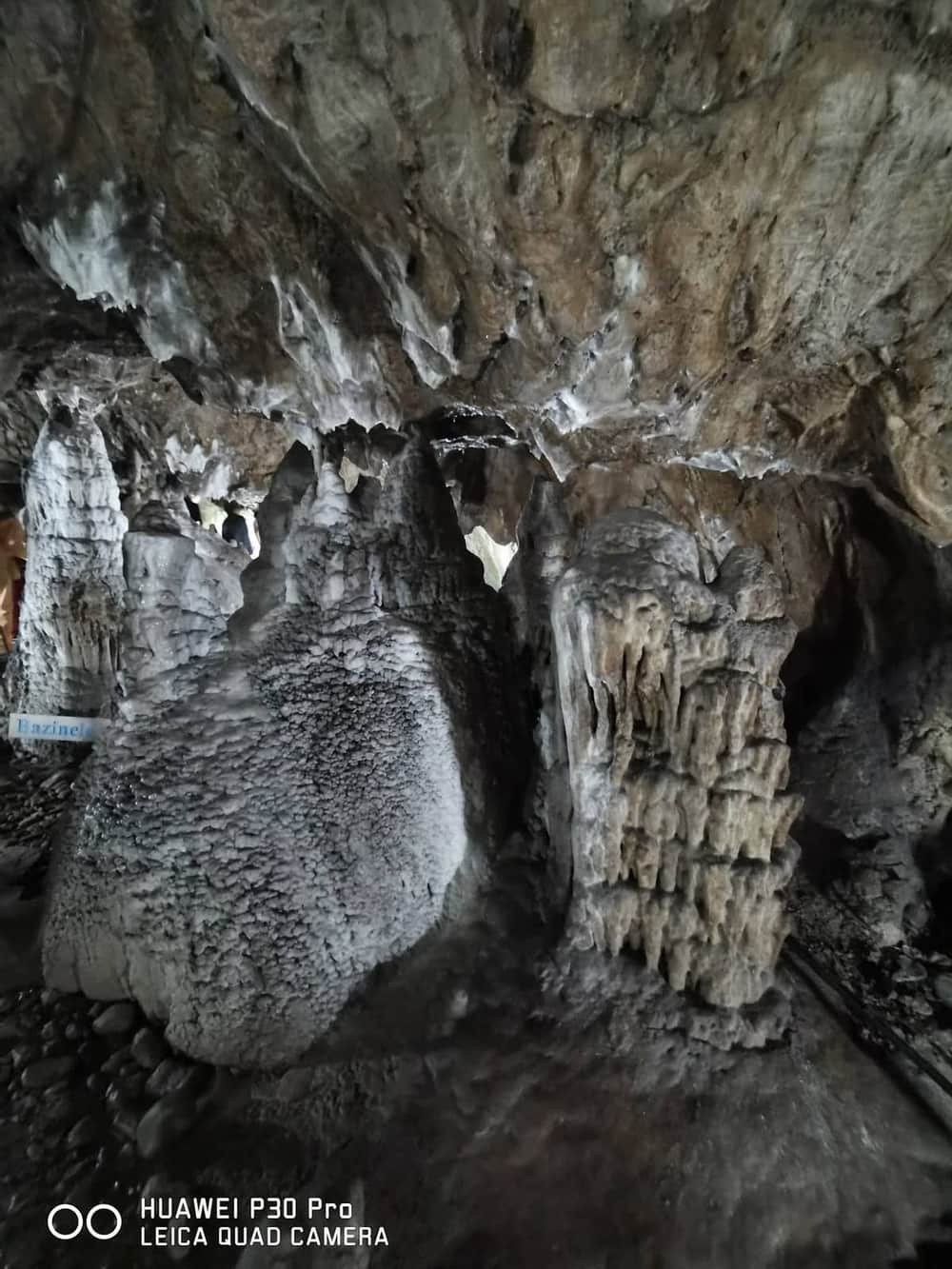
Peștera Muierilor at Baia de Fier is on the road up, 119 km from Craiova. It holds a steady 10 °C inside all year, which in August is a startling pleasure on top of the altitude. Two warnings that page sets out in full: visits are guided only, so you go when a guide goes; and its published information is genuinely unreliable — the timetable circulates as a photograph of a printed sheet and the booking sites quote four different closing times. Telephone on the morning.
Cave in the morning, mountain in the afternoon, both ten to fifteen degrees cooler than the city, is the best possible use of a Craiova August day.
Horezu is also on that side of the region — the UNESCO monastery of 1690 and the potters — but that is its own day rather than an addition to this one.
Not Târgu Jiu. Novaci and Târgu Jiu are both in Gorj, but the Brâncuși ensemble plus a climb to 1,600 m is too much for one day, and the ensemble deserves better than a rushed twenty-five minutes. Two days in Craiova sets out the geometry.
When to go
July and August. The counter-intuitive answer, and the right one: this is the single destination near Craiova that is *better* in high summer than at any other time, because the fifteen-degree difference is the product.
September. Arguably the best month overall — the Transalpina is still open, the crowds have gone, and the Parâng in early autumn is the best it looks.
Winter weekends and Christmas–New Year. It fills up, and you should book early. The skiing is modest; the snow and the setting are not. Winter tyres are required by law, the final climb is steep, and the Urdele pass is shut. See Craiova in winter, where the city's own winter problem is fog rather than snow.
Not in a hurry. Two and a quarter hours each way means a minimum of four and a half hours of driving for a day trip. That is fine for a full day and wrong for a half one; if you have a half-day, Segarcea at 34 minutes is the answer.
Practical
You need a car. No useful public transport, a steep final climb, and the thing you came for is the altitude. Craiova without a car lists what is reachable otherwise, and Rânca is not on it.
Winter tyres are a legal requirement in Romania in winter conditions, and this road is where that stops being a formality.
Take a layer, even in August. Sixteen hundred metres at eight in the evening is not a 30 °C city, and this is the most common packing mistake on the trip.
Check the road, not the forecast. The weather at 1,600 m and the weather in Craiova are different weather. Ask the guesthouse.
Fuel up before the climb. Novaci is the last substantial town.
The one-line version
Fifteen degrees cooler than Craiova, two and a quarter hours north, at the foot of the highest road in Romania — which is open in summer and shut by order for half the year. Book ahead for winter weekends, take a jacket in August, and ask which road is open on the day.