The short version
Oltenia is a driving region, and that is the first thing to plan around: the monasteries, the cave and the Brâncuși ensemble have no useful public transport, so a car is not a preference here, it is the requirement. The Oltenia page has every distance measured from Piața Mihai Viteazul with the date it was measured.
The second thing is honesty about which trips survive contact with children. Some of Oltenia's best destinations are adult pleasures — a wine cellar, a working monastery — and taking a seven-year-old to them is how you ruin an afternoon for everyone.
Here is what works, roughly in order of how reliably it works.
Peștera Muierilor — the one that always works
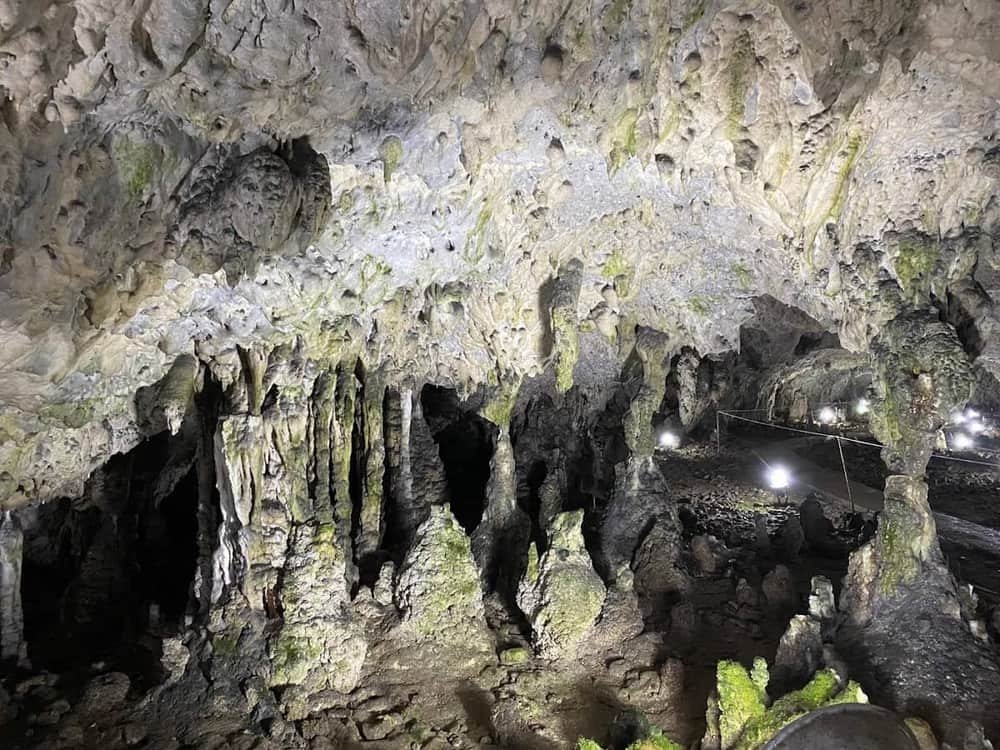
The Women's Cave at Baia de Fier, 119 km north, is the single most child-proof destination in the region. It is a cave: cold, dramatic, underground, with formations and a guided route, and it needs no previous interest in anything.
It is also genuinely important. A skull found here produced a **whole genome published in *Current Biology* in May 2021**, which makes it one of the significant prehistoric sites in Europe — a fact worth mentioning to an older child on the drive up, because it changes a nice cave into something they will remember.
Practical: it is cold inside whatever the surface temperature, so take a layer even in August. Visiting hours and the ticket price are not published anywhere we can date — the cave posts its timetable as a photograph — so ring before driving two hours. The full picture is in Peștera Muierilor.
Places in this piece
Rânca — the adventure park and the snow
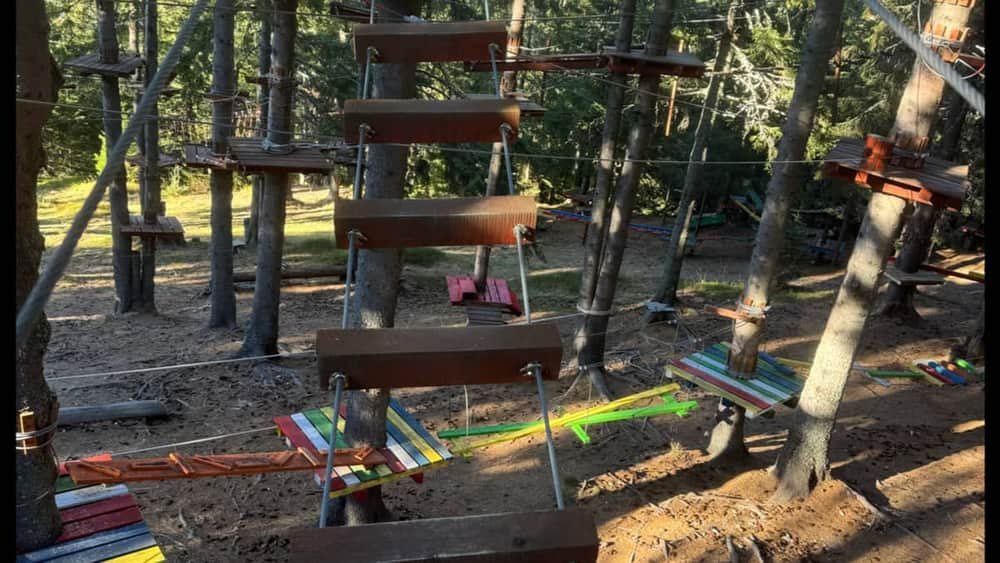
Rânca, 134 km and about two and a quarter hours north on the Transalpina, is the mountain. At roughly 1,600 m it is nine degrees cooler than the city in July, which in an Oltenian summer is the entire argument, and it has an adventure park — rope courses and the rest — that is aimed squarely at this.
In winter it is where the snow is. Rânca and the Transalpina has both seasons.
Practical: two and a quarter hours each way is a full day, not an afternoon. It is a mountain road and the weather up there is not the weather in Craiova.
Târgu Jiu — Brâncuși, if you play it right
Târgu Jiu at 110 km holds the Brâncuși ensemble, on the UNESCO list since 2024. It is a 1.5 km axis through the middle of a town: the Table of Silence, the Gate of the Kiss, the avenue, and the Endless Column at the far end.
Why it can work with children and why it often does not. It is outdoors, it is a walk with a beginning and an end, and the pieces are climbable-looking sculptures in parks rather than objects behind glass. That is a far better proposition than a gallery.
But the whole point is the line between the pieces, so driving between the two parks defeats it, and a 1.5 km walk is a real walk for small legs. Make it a treasure hunt — four things to find in order — and it lands. Deliver it as culture and it will not.
The Endless Column and Brâncuși in Craiova have the background.
Where to stay nearby
Live prices and availability on a map centred on this exact spot — hotels, apartments and hostels, so you can judge the walk from here rather than guess from an address.
Bookings made through this map earn us a commission. Your price is unaffected.
Drobeta-Turnu Severin — Romans and the Danube
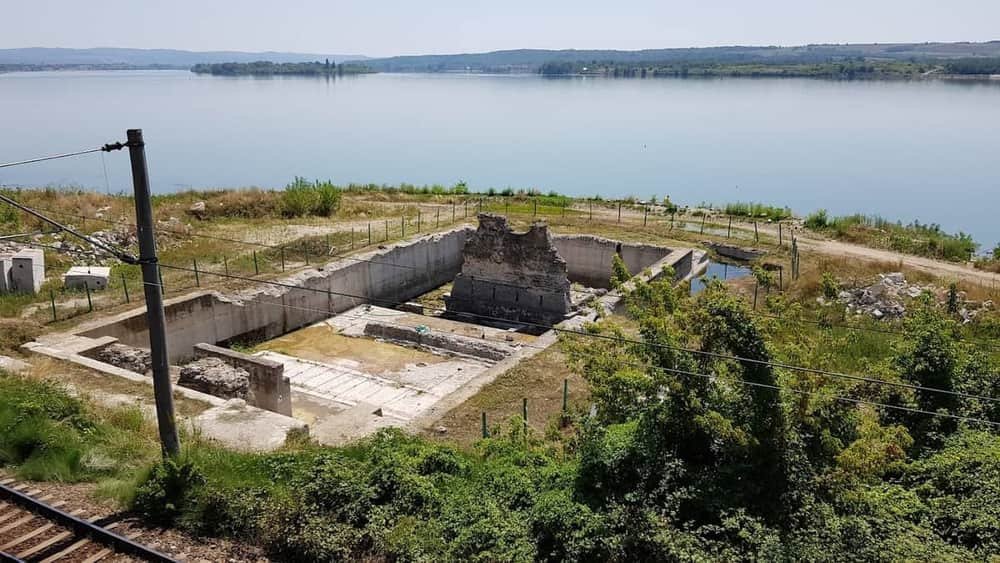
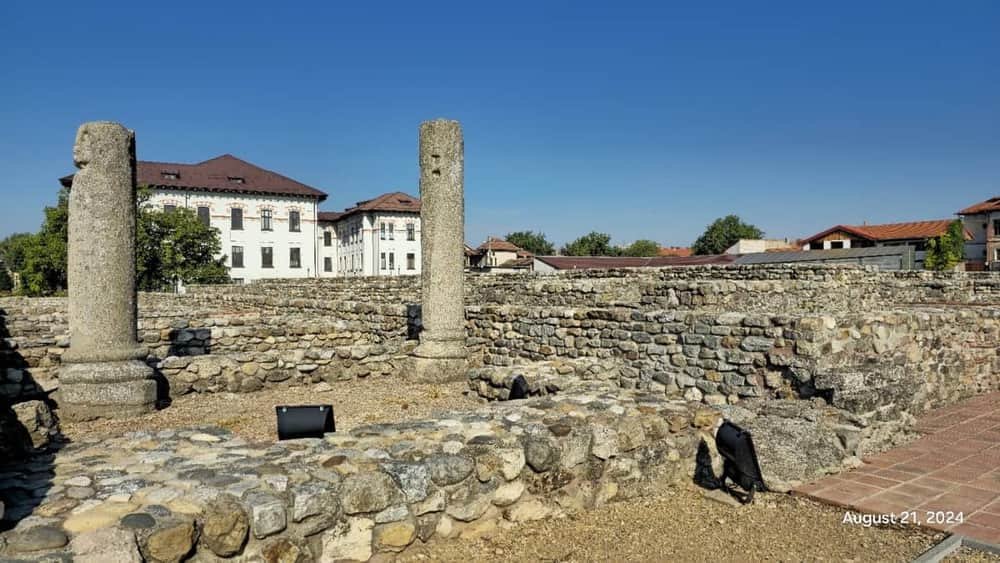
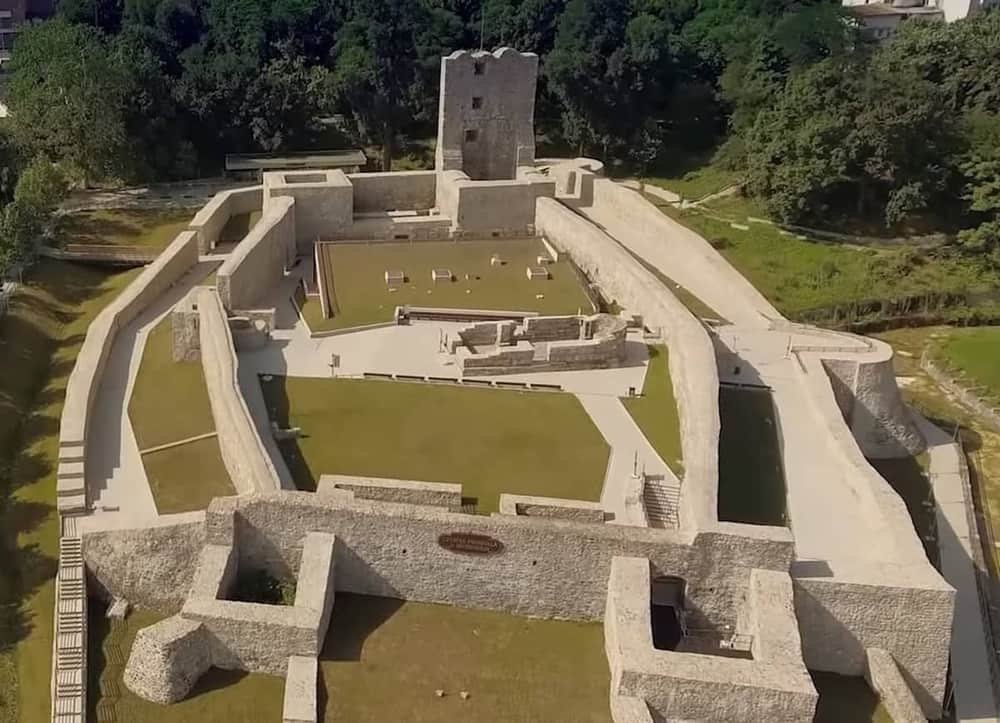
Drobeta, 113 km west, is the Roman one. Trajan's bridge was built here in the second century and the piers are still in the water; the castrum and the medieval fortress are a short walk apart, and the Iron Gates Region Museum ties it together.
Ruins you can walk around beat ruins you read about, and this is the concentration of them. There is also a water castle and the Kinetic Fountain — which is here, in Drobeta, not in Craiova, a thing half the internet gets wrong.
The drive runs along the Iron Gates gorge on the way, which is the most dramatic stretch of the Danube anywhere. More in Trajan's bridge at Drobeta and the Danube near Craiova.
Horezu — only if you time it
Horezu, 113 km, is two things: a UNESCO monastery from 1993, and a pottery tradition recognised by UNESCO in 2012 — the craft, not the pots.
The monastery is a quiet, working religious site and small children are a poor fit. The pottery is the opposite: watching a wheel is one of the few crafts that holds a child's attention completely. Horezu ceramics and Hurezi Monastery explain both.
What we would not take children to
Segarcea — the Crown Estate cellars, 29 km. A wine tasting with a child present is a bad afternoon for the child, the parent and the room. Go without them; it is close enough to be an evening.
Tismana — the oldest monastic foundation in Wallachia, 131 km, and a long way for a site whose value is contemplative.
Both are in churches and monasteries in Oltenia for when you do have the day.
Making the drive survivable
Distances are real. 110 to 134 km across country roads is one and a half to two and a quarter hours, not the motorway hour the number suggests.
Summer is hot and flat. July highs average around 30 °C on the plain, and a car without working air conditioning is a genuinely bad way to travel here — see how to escape the heat and the weather page.
Nothing publishes reliable hours. Across Oltenia almost nothing has a timetable we can date, which is why the Oltenia page gives phone numbers instead of inventing opening times. Ring first; it is a two-hour drive.
One destination a day. The temptation is to pair Târgu Jiu with Horezu because they are both 110-odd kilometres away. They are 110 km away *in different directions*.
For the version without children, three days in Oltenia; for the city itself, Craiova with children and playgrounds and parks.