The short version
An unusually large share of what is worth seeing in and around Craiova costs nothing — and not in the "technically free if you only look at the outside" sense. The two best things in the region, the park and the Brâncuși ensemble, are both genuinely free at any hour.
- Romanescu Park — ninety-six hectares, free, no gate, no ticket, never has been one.
- Brâncuși's monumental ensemble at Târgu Jiu — UNESCO World Heritage since 2024, in the open air, free, and lit after dark.
- The Christmas market — free entry, mid-November to 3 January.
- New Year's Eve in Piața Mihai Viteazul — free, outdoors, with fireworks.
- Hurezi Monastery — UNESCO-listed in 1993; entry to the courtyard is free.
- Trajan's Bridge at Drobeta — the Roman pier, in the open, free.
Checked October 2026. The free things on this page are free because of what they are — public parks, outdoor monuments, monastery courtyards — rather than because of a current policy, which is why this list is stable. Where a museum charges, we do not print the figure, because Craiova's museums do not publish dependable ones. See the prices page.
In the city
Romanescu Park
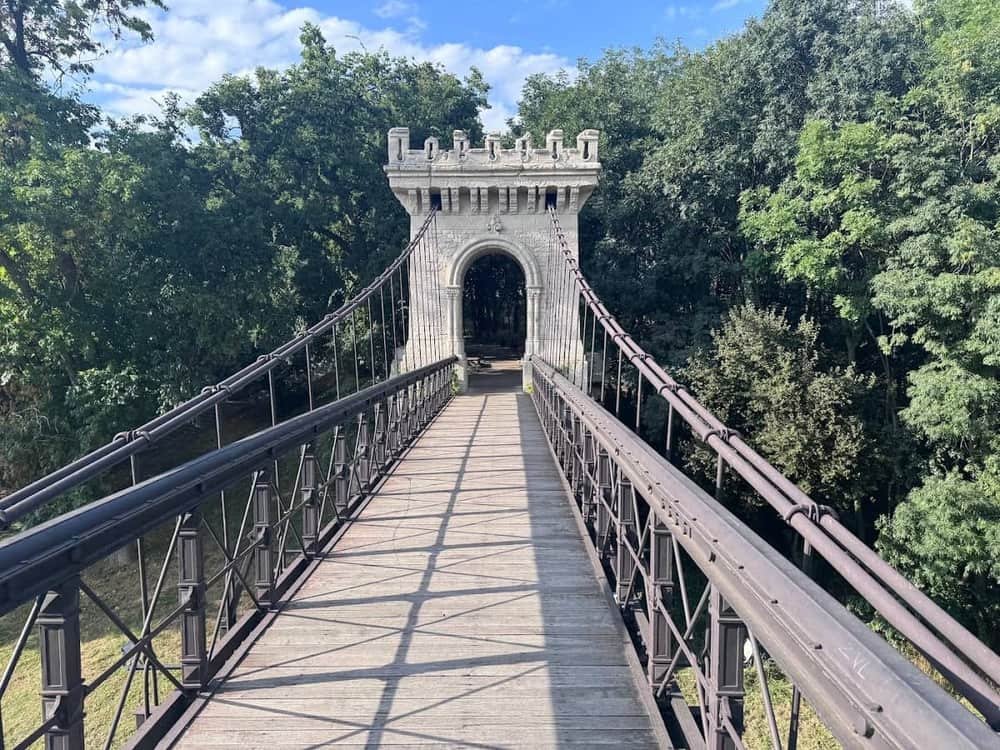
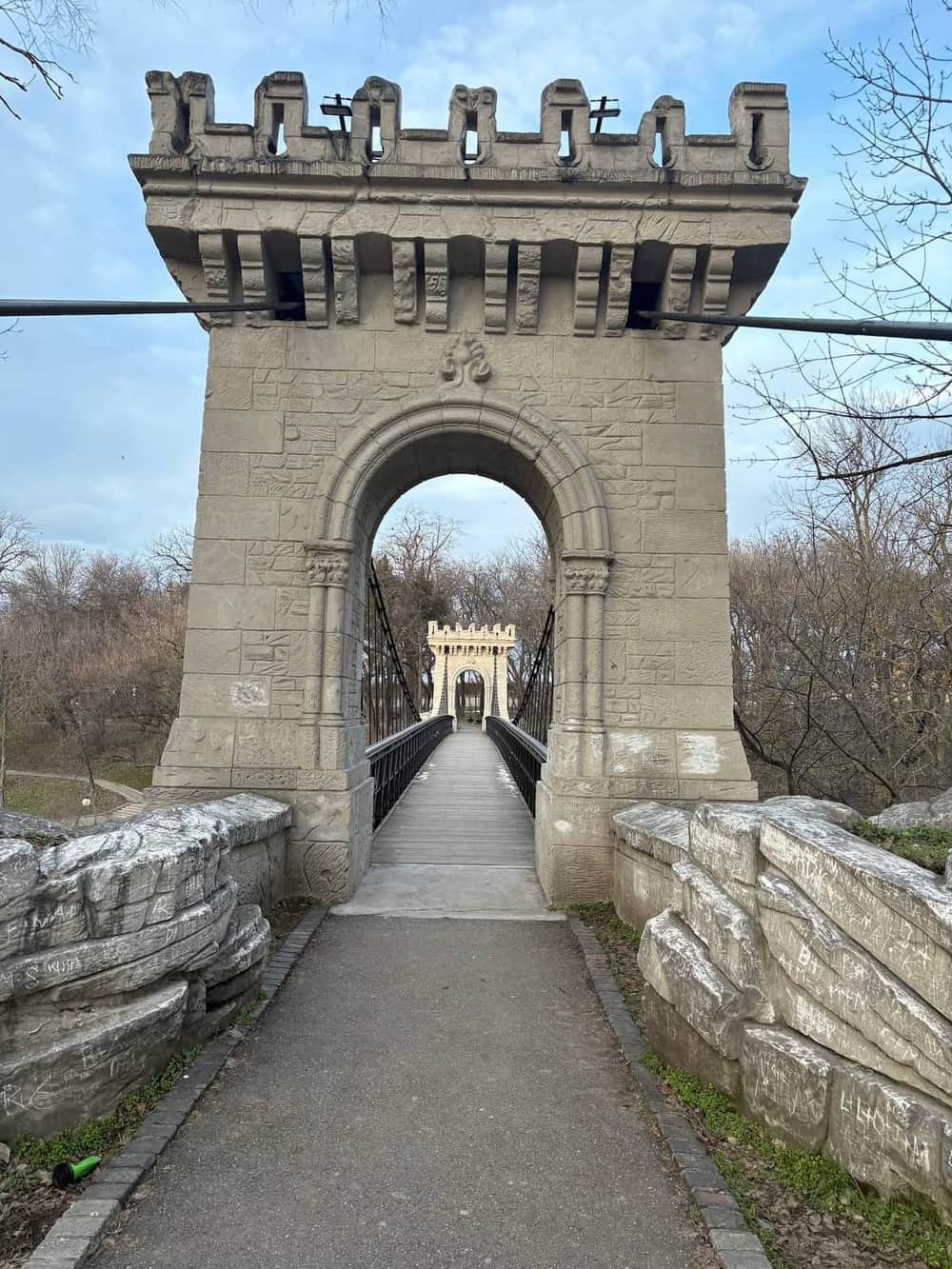
The single best thing in Craiova, free at any hour, and there has never been a ticket. Ninety-six hectares laid out between 1900 and 1903 to a design by the French landscape architect Émile Redont, whose plan took a gold medal at the 1900 Paris World Exposition before a tree was planted.
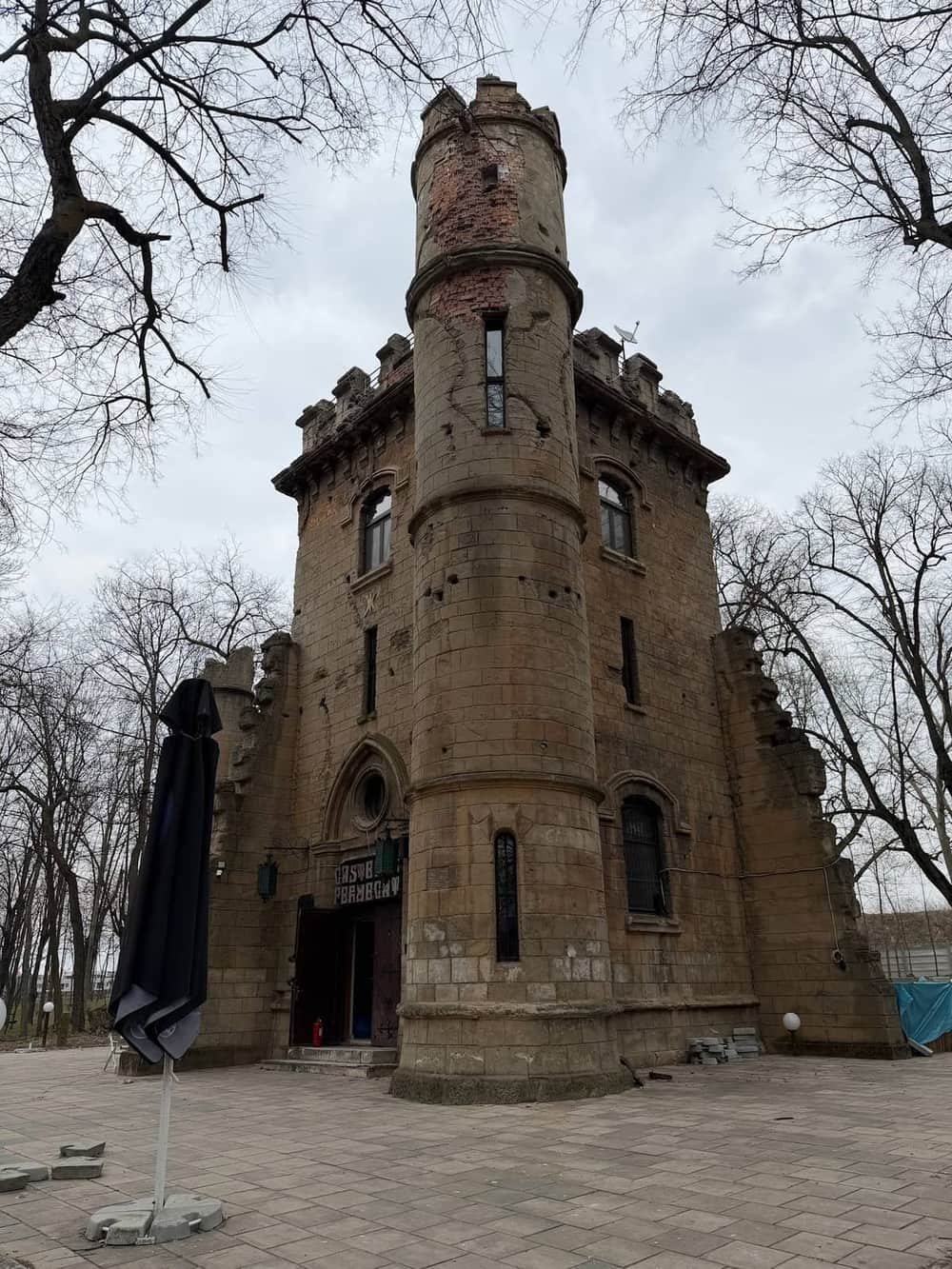
Lakes, a suspension bridge, a mock ruined castle built deliberately as a ruin, a hippodrome, and — for children — Castelul Fermecat inside the park itself. Ten minutes' walk south of Piața Mihai Viteazul.
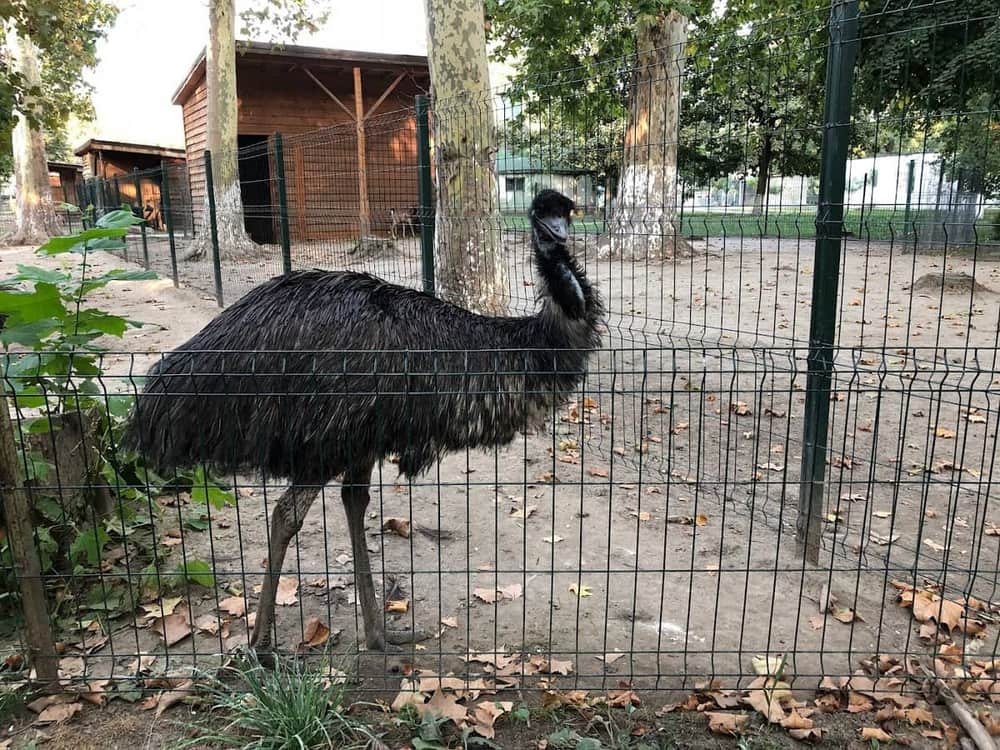
The zoo is inside the park and is not part of the free list; check its hours before setting out.
The Calea Unirii walk
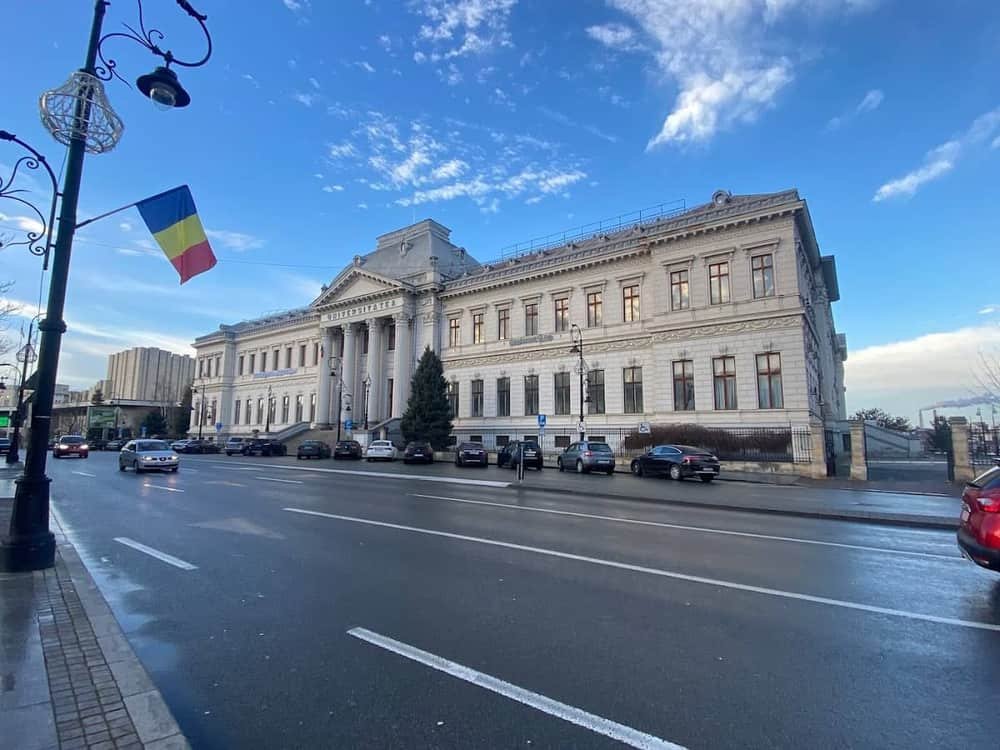
Calea Unirii is a pedestrianised street of belle-époque facades — the densest run in southern Romania outside Bucharest — built in roughly thirty years either side of 1900 with money from the Dolj grain trade. Forty-five minutes end to end if you look up, which is the instruction. The full walk has the route.
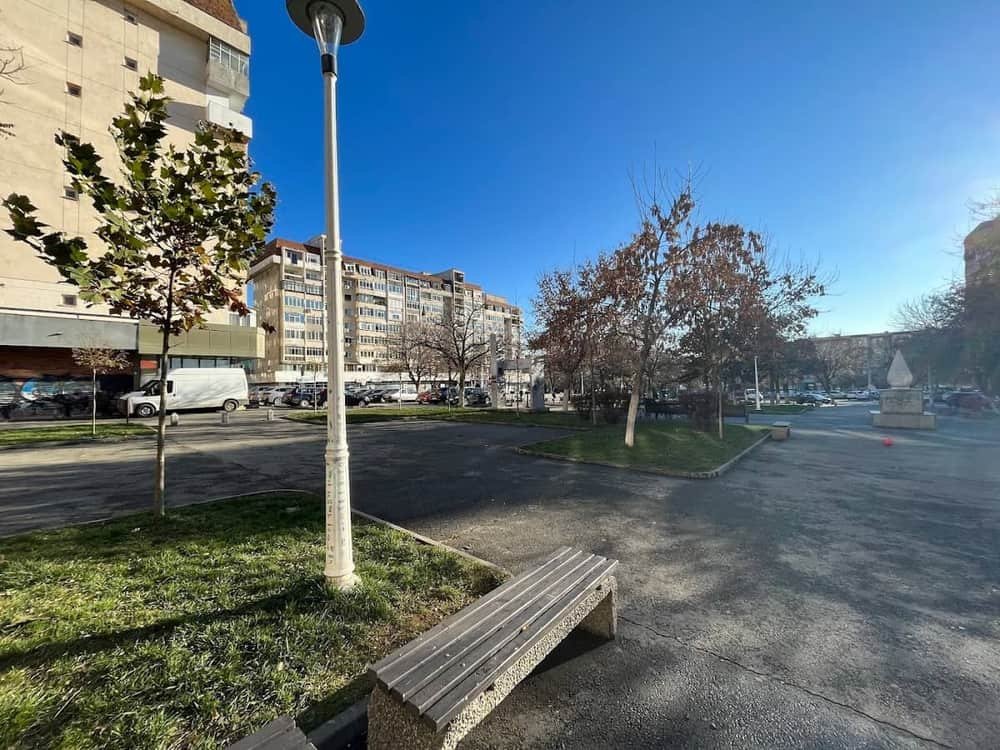
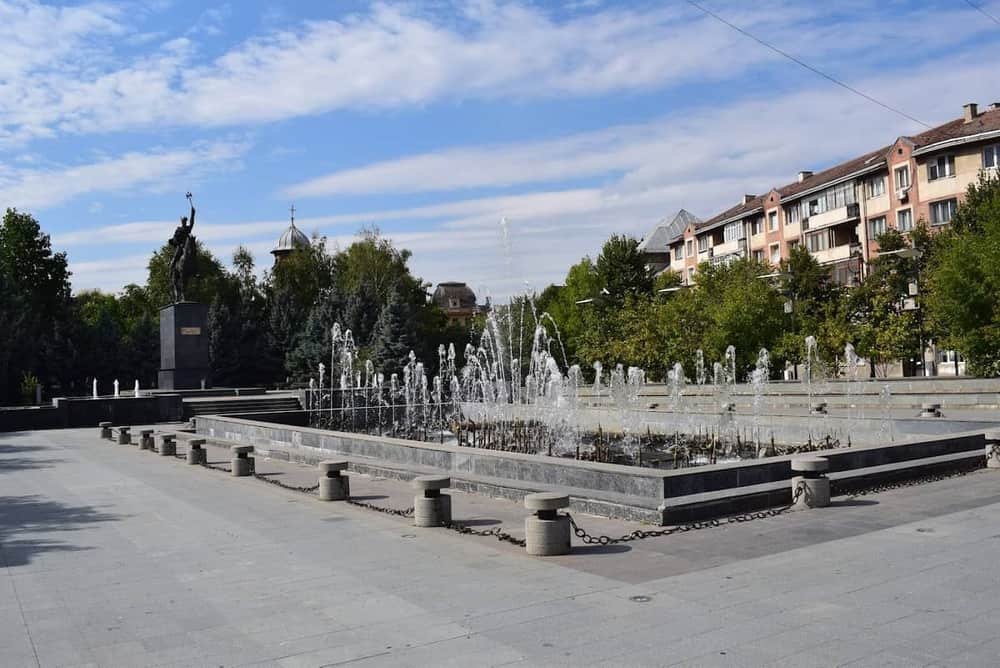
Along it: Piața Mihai Viteazul with the equestrian statue, the Administrative Palace, the old town, and the exteriors of the Jean Mihail Palace, the National Theatre and the Opera.
The other green spaces
The Alexandru Buia Botanical Garden belongs to the university, holds nearly nine thousand reviews and is the best-kept green space in the city after Romanescu. English Park, Parcul Tineretului, Parcul Trandafirilor, Puskin Park and Grădina Mihai Bravu are the rest. The parks page covers the green city properly.
Out on Calea București, Parcul „Hanul doctorului” holds over a thousand reviews, which is more than a district park has any right to.
The churches
All free, all open at reasonable hours: the Metropolitan Cathedral of Saint Demetrius, Biserica Mântuleasa, Saint Elijah, the Church of Our Lady, Saint George the New and the Metropolitan Palace.
Mănăstirea Coșuna on the city's edge in 1 Mai is a sixteenth-century foundation, usually empty, and the oldest surviving church in the Craiova area. Five minutes off a main road and almost nobody goes.
The Christmas market
Free entry, and this is the city's season. The 2026 edition opens on 13 November and runs to 3 January 2027, in Piața Mihai Viteazul, themed *Tărâmul elfilor*. It opens about a fortnight before Sibiu, Bucharest and Brașov, which for two weeks makes it the only large market open in Romania — fully lit and not yet crowded. When to visit makes the case.
New Year's Eve in the same square is also free: a concert programme and fireworks at midnight, no ticket, no reservation. The square fills from about ten. Revelion in Craiova.
Free performance, sometimes
The International Shakespeare Festival is biennial, and in 2026 it filled eleven days with close to five hundred events across more than sixty venues — a good many of them free and outdoors, in squares and in neighbourhoods. Next edition 2028, and if you are there for it, the free programme alone is worth the trip.
Craiova Days in early June puts a free concert stage in Piața Mihai Viteazul, with the ExpoFlora flower fair on Strada Theodor Aman beside it.
Places in this piece
Where to stay nearby
Live prices and availability on a map centred on this exact spot — hotels, apartments and hostels, so you can judge the walk from here rather than guess from an address.
Bookings made through this map earn us a commission. Your price is unaffected.
Out of the city
Brâncuși at Târgu Jiu — the big one
110 km north, a measured 1 h 50 min, and entirely free. The Table of Silence, the Gate of the Kiss and the Infinite Column sit on one straight 1.3 km axis across the town; walked in Brâncuși's order it takes about twenty-five minutes. Outdoors at any hour, lit after dark, and a UNESCO World Heritage Site since 2024.
A UNESCO site with no ticket and no gate is rare. This one is also the best thing in Oltenia. Park of the Infinite Column and Islet's Park are the green spaces around it.
Hurezi Monastery
113 km north-east, about 1 h 57 min. Entry to the courtyard is free. Founded 1690, finished around 1697, UNESCO-listed in 1993 under reference 597, and the building that gave the Brâncovenesc style its name. It is a working monastic community — dress modestly, services take precedence. The full guide.
Tismana Monastery
131 km north-west, about 2 h 3 min. Free. The oldest surviving monastic foundation in Wallachia, begun in the 1370s on a rock above a gorge with a waterfall behind the church — and the place Romania's gold reserve was hidden in 1944. The full guide.
Trajan's Bridge
112 km west, measured at 1 h 45 min. The Roman pier on the Danube bank at Drobeta-Turnu Severin is in the open with free access, built by Apollodorus of Damascus in 103–105 AD and for a thousand years afterwards the longest arch bridge ever built. Its twin is visible across the water in Serbia. The full guide.
The Danube
Free, wide and quiet. Bechet at 68 km and Calafat at 89 km, where the Municipal Park runs along the bank. The Danube near Craiova.
What costs money, and what to budget for
The museums. The Art Museum with its six Brâncuși originals is worth paying for and is the one thing on the paid list that nobody should skip. The Oltenia Museum and Casa Băniei are the others. None publishes a dependable price or timetable, which is why this page does not print one — telephone first.
Parking, if you have driven: two lei an hour on the street and in the underground car park at the National Theatre *(Craiova local council parking regulation, checked October 2026)*. Where to park.
The car itself, which is the real cost of Oltenia. None of Târgu Jiu, Horezu, Tismana or Drobeta is served well enough by train or bus to attempt without one — Craiova without a car is honest about that, and what a trip costs puts the trade-offs together.
Food and a bed, which is where a Craiova trip is cheap by European standards. Where to eat has the range.
The free day
A genuinely complete day in Craiova that costs nothing but lunch:
Morning — Calea Unirii from the square south, looking up, with the churches and the Botanical Garden on the way.
Afternoon — Romanescu Park, the lake path, the suspension bridge.
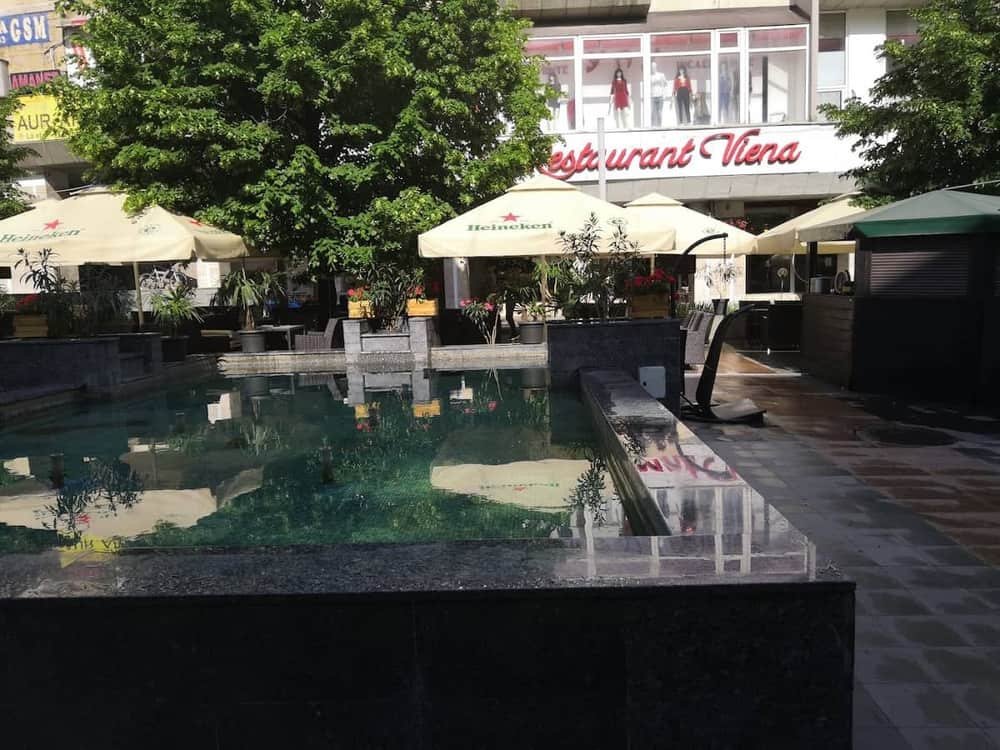
Evening — a terrace from seven, which from March to October is the best thing about the city and costs whatever a drink costs.
And in mid-November, add the market, and it is still free.