The short version
Craiova is a plausible place to work remotely for a month and an implausible one to move to permanently, and the honest version of why is more useful than a list of cafés with plug sockets.
What it has: cheap living, a flat walkable centre you can cross in twenty minutes, Romania's famously fast and inexpensive fixed broadband, a university population, seven specialty-coffee places inside a seven-minute walk, and an airport with Wizz Air routes to London, Madrid, Barcelona and several Italian and German cities.
What it does not have: a tech scene, an expat community, a coworking culture, or anybody to speak English to outside the centre. If what you want is Cluj or Bucharest, go to Cluj or Bucharest.
Checked October 2026. This page does not list coworking spaces, monthly rents or internet speeds in megabits, because we cannot source any of them to a standard worth printing — and a stale rent figure is worse than none. The prices page sets out the policy. What follows is the structural picture, which does not change month to month.
The case, honestly made
Connectivity. Romania's fixed broadband is among the fastest and cheapest in Europe, and this is the single strongest practical argument for working from anywhere in the country rather than from a comparable city in Western Europe. It is not a Craiova fact, it is a Romania fact — but it applies here.
Cost. Craiova is cheap by Western European standards and cheap by Romanian standards too, being neither Bucharest nor Cluj nor a coastal resort. What a trip costs sets out what moves the figures; for a month rather than a weekend, the ratio gets better still.
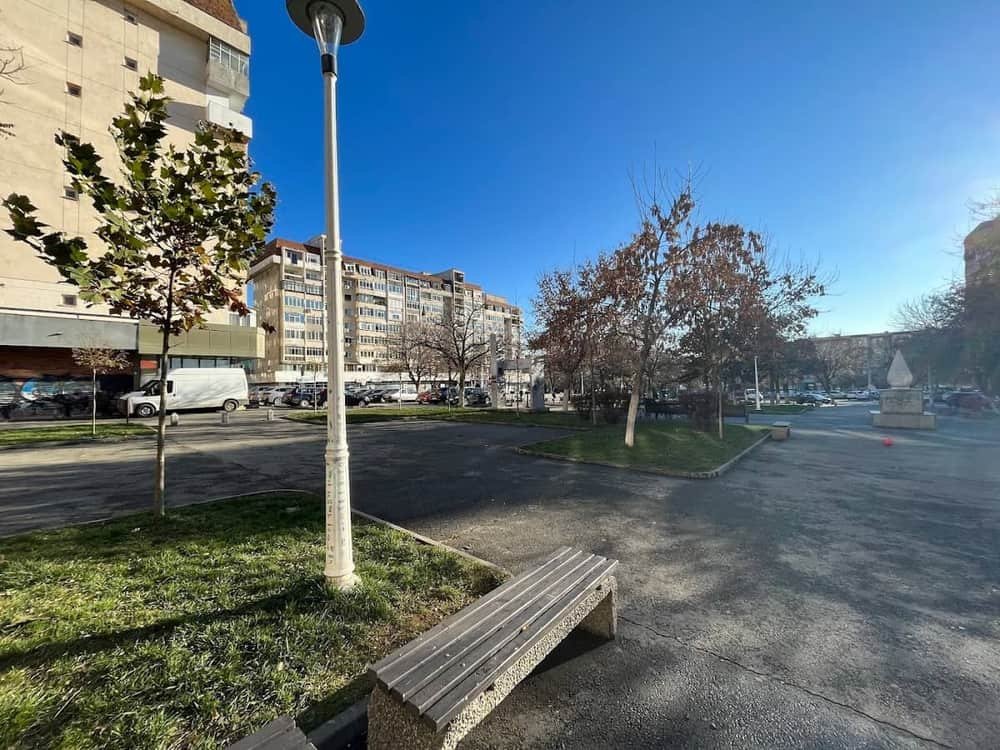
The centre is twenty minutes across, flat, and pedestrianised. For somebody who works sitting down, a city where the gym, the market, the coffee and the park are all inside a twenty-minute radius on foot is worth more than a longer list of amenities further apart. Calea Unirii is the spine and you will walk it daily.
Romanescu Park. Ninety-six hectares, free, no gate, ten minutes south of the main square. If you work from home you need somewhere to go at five o'clock, and this is an unusually good answer for a city this size.
It is a university city, which matters more than it sounds: it means a young population, a reason for the specialty-coffee places to exist, and a bar scene that is not purely for tourists. Craiova at night covers the evenings.
The airport. Craiova International is eight kilometres east and Wizz Air operates most of the routes, including London, Madrid, Barcelona and several Italian and German cities. For a month-long stay, being able to fly home directly rather than via a 230 km transfer to Otopeni is a real convenience and a real saving.
Romania is in the EU and in the Schengen area. For EU citizens there is no paperwork at all. Romania also operates a digital nomad visa for non-EU remote workers — it exists, the requirements and income thresholds change, and this page is not the place to read them. Check the official Romanian immigration and consular sources, not a travel site.
Places in this piece
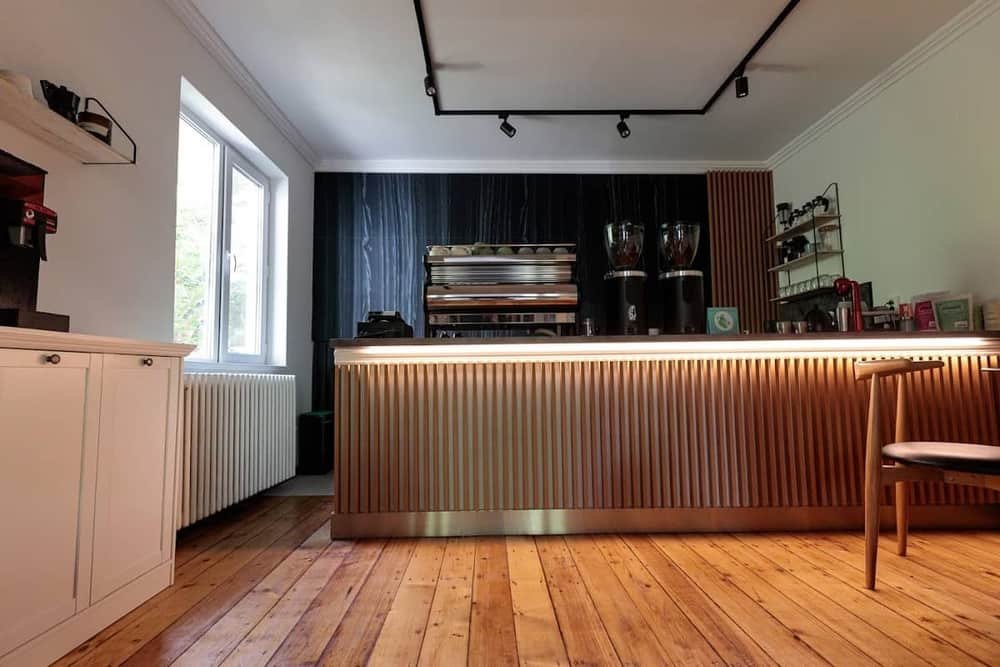
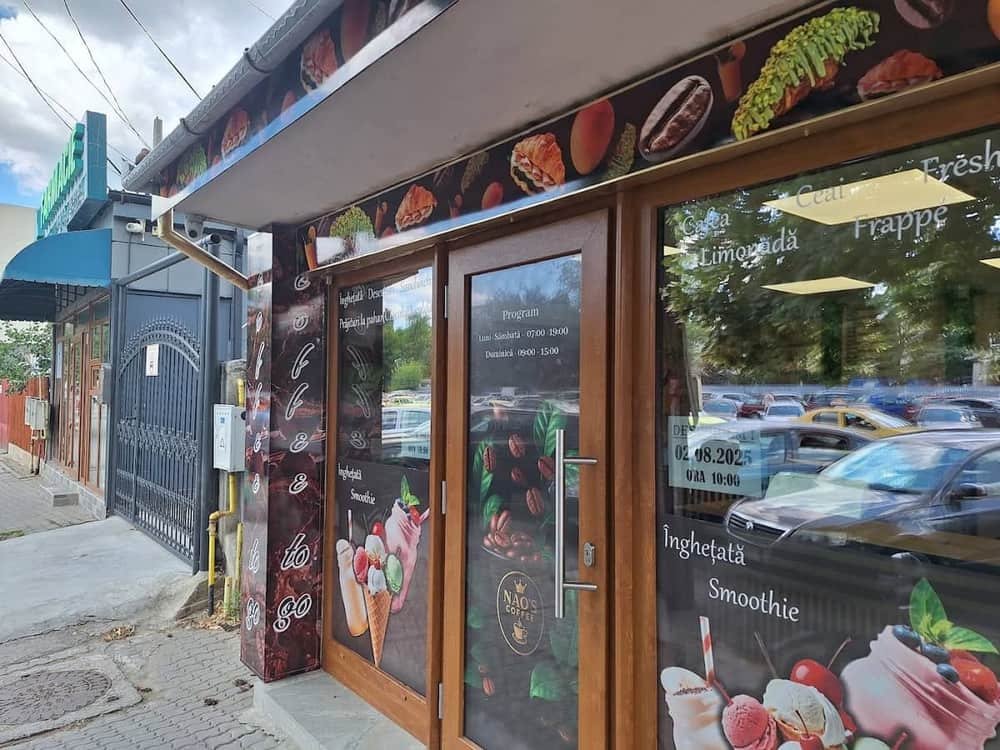
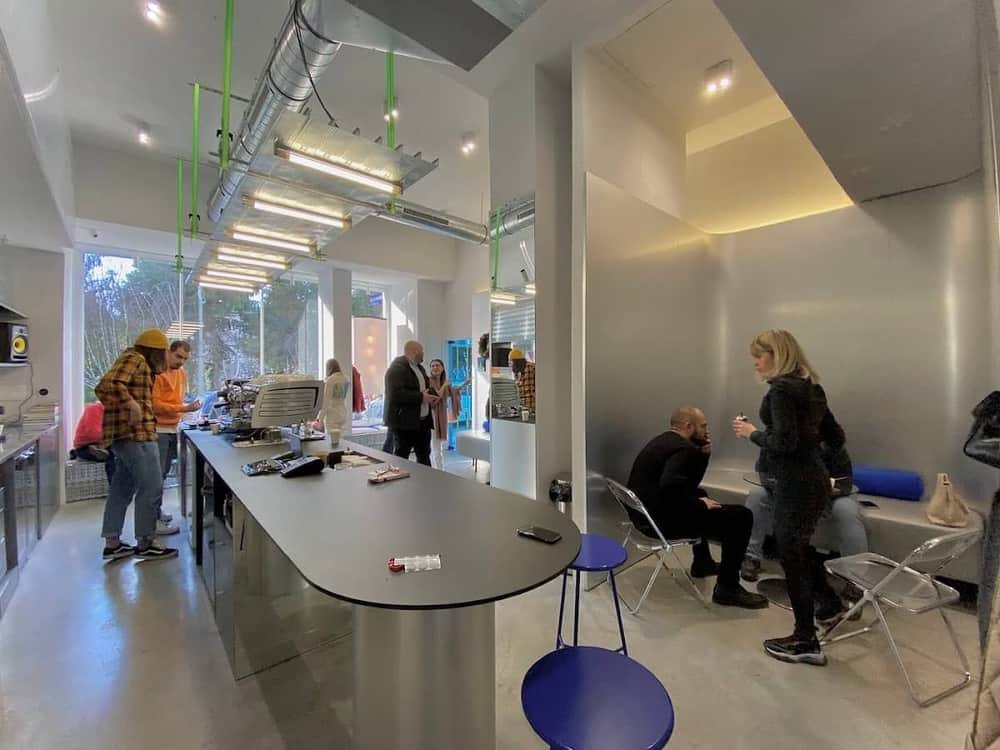
Where to work
No coworking spaces are listed on this site. That is not an oversight: we do not have any in our data for Craiova, and rather than name a place we cannot verify is still open, the honest instruction is to search locally when you arrive and ask at the university or in the specialty cafés, where the people who would know are sitting.
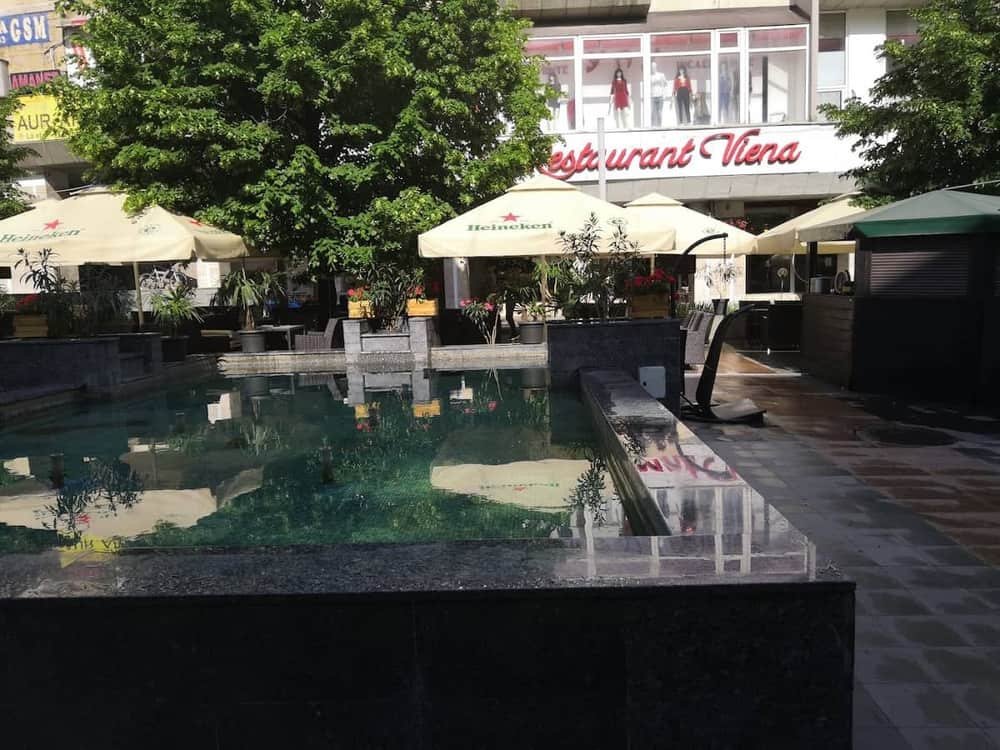
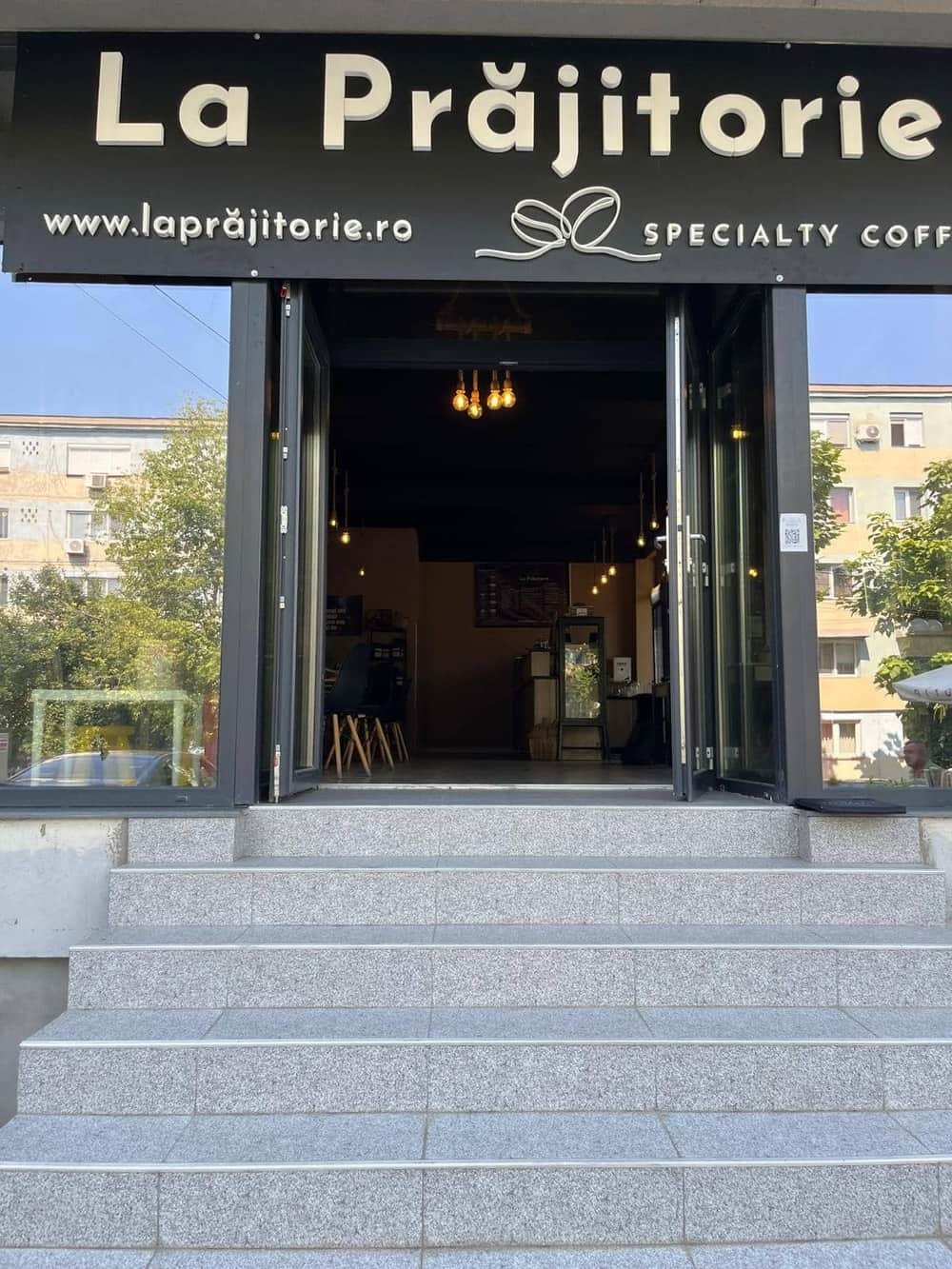
The cafés are the practical answer, and they are genuinely good for a city this size — seven places inside a seven-minute walk, all holding 4.7 or better:
- Coffee Story on Brâncoveanu — 4.9 from over three hundred reviews, the strongest combination in the city.
- Harvest Specialty Coffee — a clean 5.0.
- NAO'S on Tabaci — 5.0 from over four hundred.
- Bad Habits on Theodor Aman — 4.8.
- Kune on Lipscani — 4.7, and the quietest of the group on a Saturday, which for working is the recommendation.
- Bulldog on Împăratul Traian — 4.7.
- Tucano and Bigos Cafe Lounge are the two chain-style rooms, useful when the independents are full.
A courtesy that is worth stating: independent cafés in a provincial Romanian city are small rooms with a handful of tables, and a laptop occupying one of them for four hours at lunchtime is a real cost to the business. Go in the morning or mid-afternoon, buy more than one thing, and move on when it fills. Specialty coffee in Craiova has the fuller picture.
Where to stay nearby
Live prices and availability on a map centred on this exact spot — hotels, apartments and hostels, so you can judge the walk from here rather than guess from an address.
Bookings made through this map earn us a commission. Your price is unaffected.
Where to live for a month
The centre, without much hesitation. Everything is walkable, it has all fifteen of the city's hotels and the best of the apartment stock, and for a stay where you are not commuting, walkability is the whole product.
Sărari is the one residential alternative worth considering — the old low-built quarter immediately north of the centre, five minutes from the main square, quiet, and the only neighbourhood in Craiova a visitor would walk through on purpose.
One warning. An apartment advertised as "Craiova, central area" may well be in a 1970s housing estate fifteen or twenty minutes out. Craiovița Nouă is the city's largest district and is twenty minutes from the centre; Rovine, Valea Roșie and 1 Mai are fifteen. They are perfectly safe, they are cheap, and none of them has a café worth working in. Check the map, not the description — the neighbourhoods page is blunt about which is which.
The seasonal problem, which is real
This is the thing a month-long stay has to plan around and a weekend does not.
July and August. Craiova averages a high of 30.0 °C in July on 358 hours of sunshine and 30.1 °C in August on 338. These are climate normals, not a bad year. Working from an apartment without proper air conditioning in that is genuinely unpleasant, and "fan" and "air conditioning" are not the same word in a rental listing. Verify the air conditioning explicitly before you book a summer month. Beating the summer heat has the day structure that works; Rânca at 1,600 m is the weekend escape.
December and January. 109 and 131 hours of sunshine respectively — the two darkest months of the year — and the problem is not cold but fog, which settles in the Jiu valley and can stand for days. If seasonal light affects you, this is the wrong quarter. Craiova in winter.
The good months are April, May, September and October. April averages 18.3 °C on 234 hours of sun, May 23.8 °C on 277, September 24.3 °C on 242 with rain on only seven days, October 17.4 °C on 189. Spring and autumn have the figures in full.
What you get on your weekends
This is Craiova's real argument for a longer stay, and it is not about the city.
From here, within two hours and a quarter, are: the Brâncuși monumental ensemble at Târgu Jiu, a UNESCO World Heritage Site standing free in the open air; Hurezi, the UNESCO-listed Brâncovenesc monastery of 1690; the Horezu potters, whose craft is a UNESCO intangible heritage listing; Tismana, begun in the 1370s with a waterfall behind the church; Trajan's Bridge on the Danube at Drobeta; Rânca at 1,600 m on the Transalpina; and the Segarcea wine estate at 34 minutes.
Four weekends is enough to do all of them properly, one direction at a time. Three days in Oltenia is the compressed version, and two days in Craiova explains why you cannot do two directions in a day.
You will want a car for those weekends, and only for those. In the city you need nothing — Craiova without a car is honest about exactly which Oltenian destinations are reachable otherwise, and the answer is Segarcea and essentially nothing else. Hire by the weekend from the airport rather than keeping a vehicle parked all month. Where to park has the two-lei-an-hour detail if you do.
Who this suits, and who it does not
It suits somebody who wants to work cheaply and quietly for a month in a walkable city with genuinely good coffee and an unusually good set of weekends, who does not need an English-speaking social scene supplied for them, and who is coming in spring or autumn.
It does not suit somebody who wants a nomad community, a coworking culture, a tech scene, or a long summer. Romania has two cities that offer those — Cluj and Bucharest — and pretending Craiova is a third would waste your month.
One further honesty: outside the centre, in shops and offices, English is not reliably spoken. That is not a problem for a month if you expect it and a daily friction if you do not. Learn ten words.
If you do come: the market opens on 13 November and runs to 3 January, about a fortnight before Sibiu, Bucharest and Brașov, and a month that includes the second half of November is the best month this city has. When to visit.